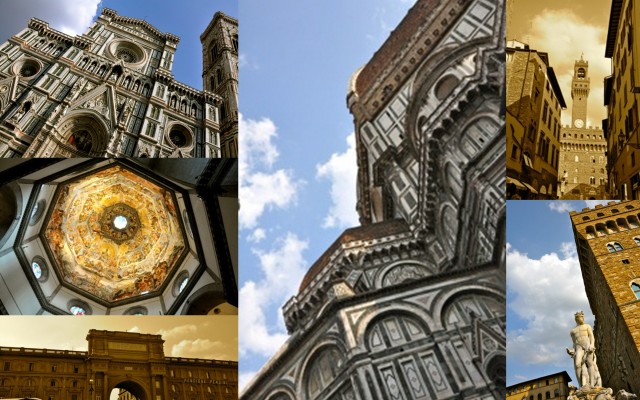
Famous Swiss Foods: Chocolate

Post by Lauren

Maybe one reason that the Swiss don’t celebrate Valentine’s Day is that it is it is an occasion for chocolate EVERY DAY here.

General Facts:
-The Swiss eat the most chocolate in the world. The average Swiss eats 25 lbs of chocolate per year compared to the 11.7 lbs consumed by Americans.
-The Swiss eat 54% of their chocolate production, only exporting 46%

Personal fact: Gabe and I eat four pieces of amazing Swiss chocolate every night after dinner. We haven’t gained any weight. In fact, Gabe has lost weight.

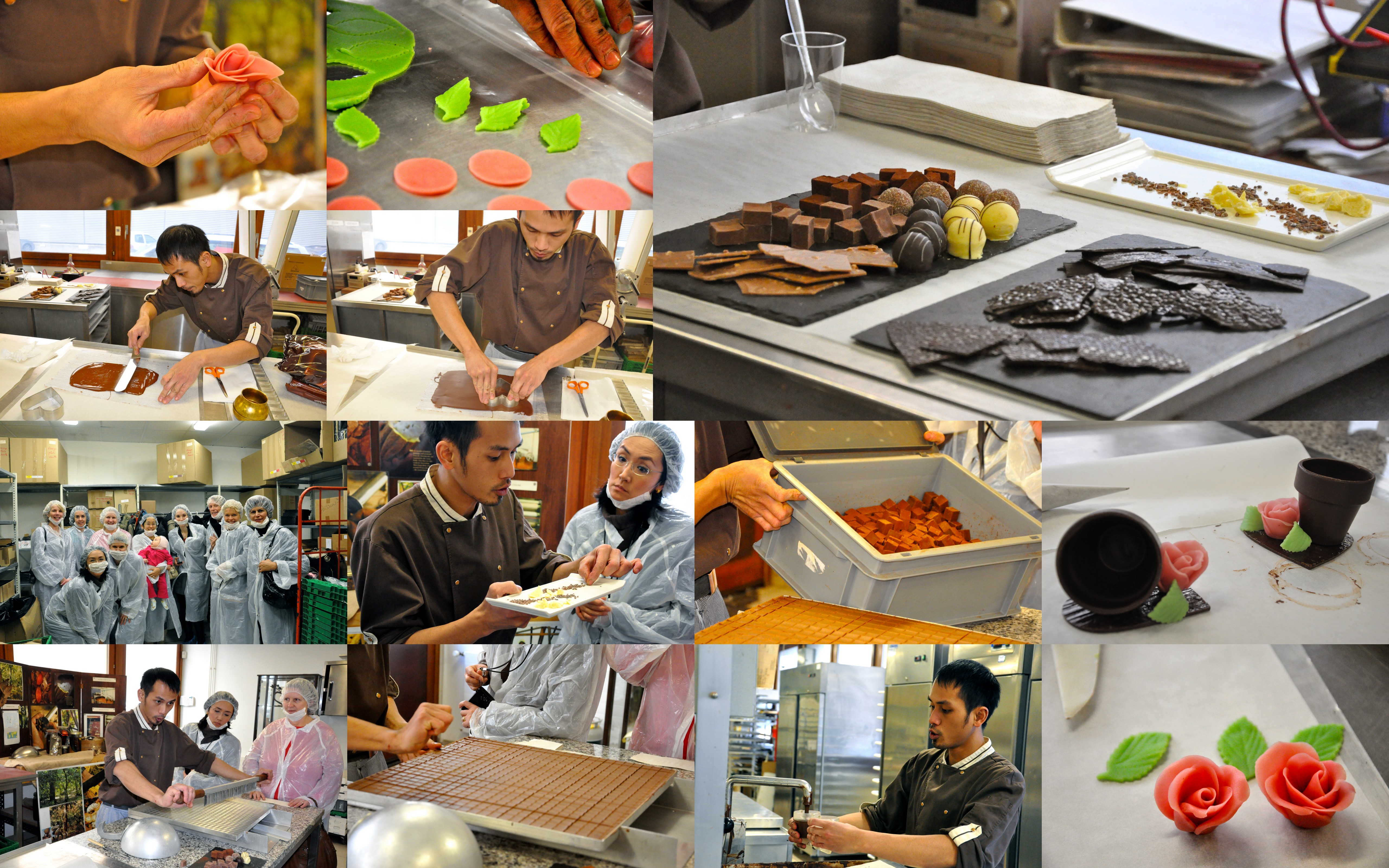
I was lucky to get a tour of Stettler last week. I felt like Charlie let loose in the chocolate factory.

It was 100% in French so I caught about half of the information being that I haven’t learned all my vocabulary for chocolate production yet. However, one doesn’t need to catch every word to be blown away.

This “chocolate laboratory” is in Geneva and is just one of the many chocolate factories and tours in Switzerland. If you are a francophone, I would highly recommend checking this particular one out.

Castles of Sion

Post by Lauren

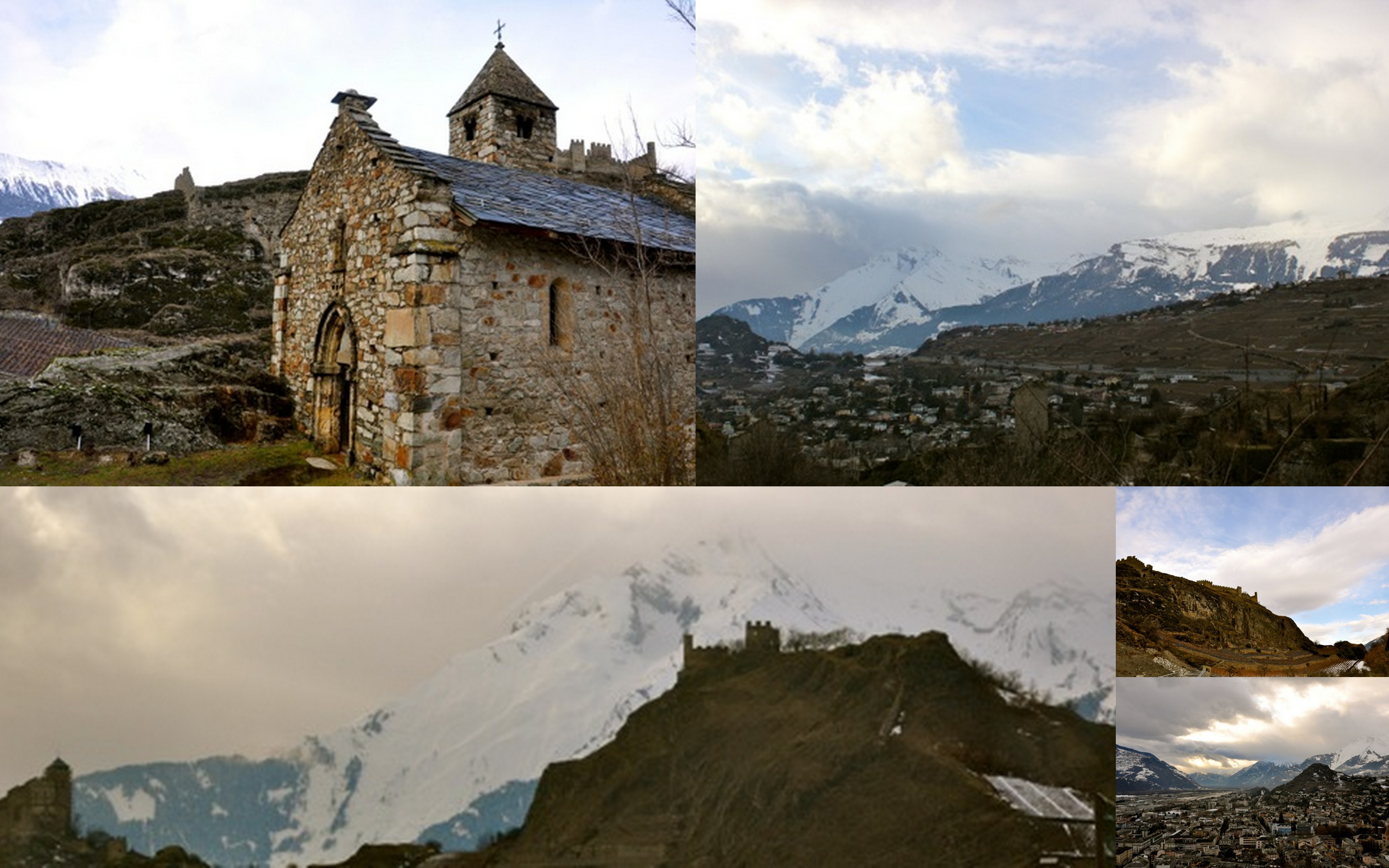
We had heard from S that Sion was a neat place to stop on the way back from Zermatt. So, since she is always full of great advice, we stopped. We were not disappointed. We ended up climbing to the Chateau Valère. The landscapes with the Alps and the Sion hillsides adorned with castles were quite beautiful.


Next time, we’ll climb up to the other castle.


Geneva Museums: Swatch Museum

Post by Lauren

Unfortunately, many Geneva museums are closed on Mondays*. However, one that is actually open is the Swatch exhibition in the Cite du Temps building. They have an entire floor dedicated to the quirky Swiss watches.

So, Monday, Pascal, Gisele and I enjoyed browsing the Swatch timeline and seeing the models from all the different years.

Everyone had a Swatch story. I actually have a vivid memory of mine. We were all visiting my family in Eastern, NC. My cousin C was older and a lot cooler than me. He wanted to go to the department store to look at Swatches. You see, he’d been saving for a long time and just received a monetary gift during this visit that I think got him to the $25 that he needed for the Swatch. We got to the store and…..he realized the money was gone. It was confirmed that it had been lost.

I was probably 6 or 7 at the time but I remember thinking that was the most awful thing in the world. He was so upset. Poor guy!

I think my other aunt & uncle actually volunteered to buy him the one he wanted. We’ll have to see via their comments if this is how the story went as I can’t remember that detail. All I remember is the lost money that was supposed to buy the watch.

Years later, in 1988, I received my first Swatch. Yup, used to rock this baby out in middle school:

In addition to me finding my gem, Pascal found the one his brother used to have. Then we started going around and finding our favorites which were the kooky ones.

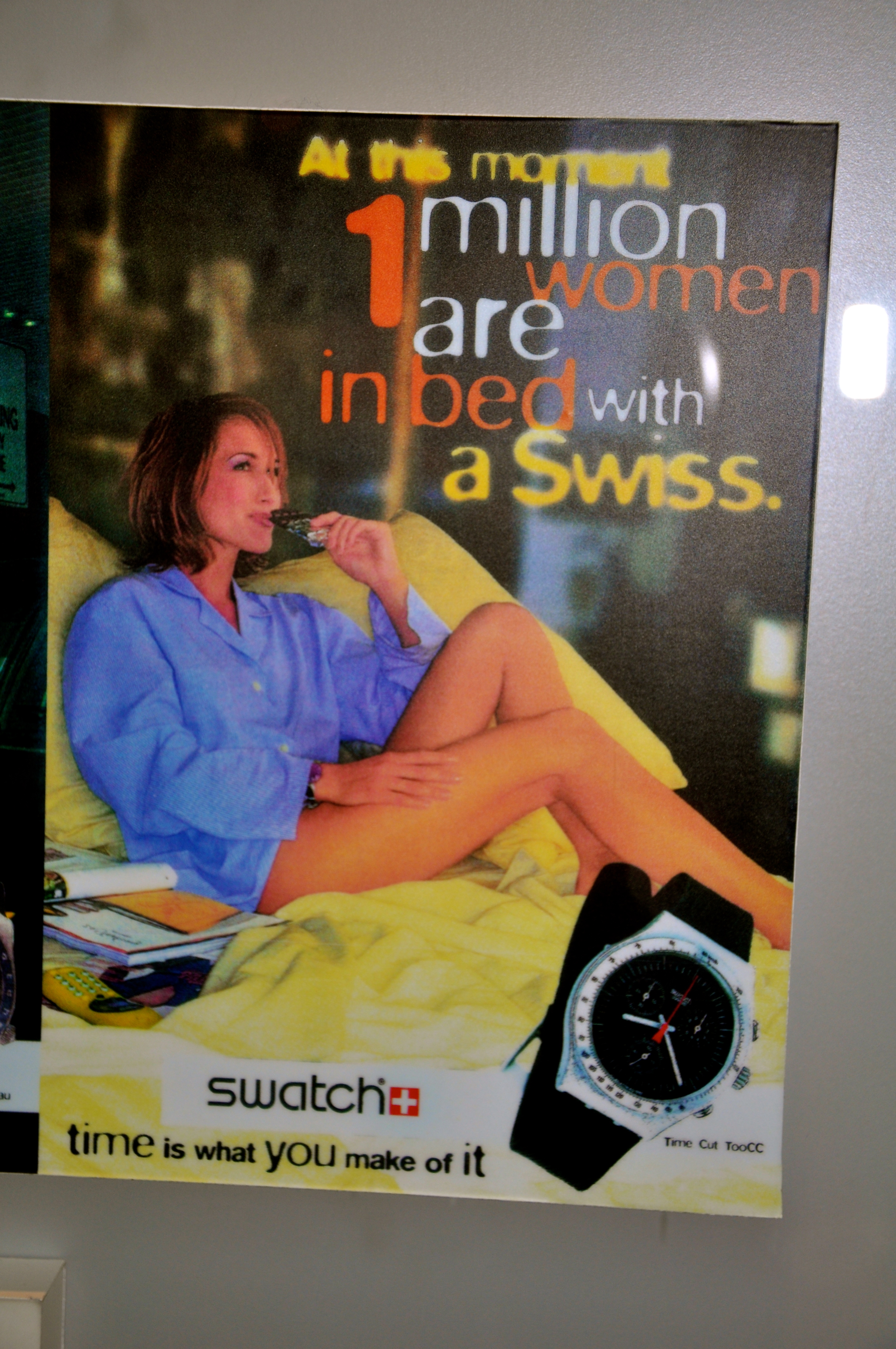
They even used to run some risqué Swatch advertising. Check this out…..


I actually received my second swatch this year for my 32nd birthday, a gift from Gabe’s parents. I had been eyeing it because it was casual chic and if you can believe it, I didn’t own a watch for 10 years prior to this one. Since I didn’t even have a phone the first four months in Geneva, it was really hard to know what time the bus came without a watch. They were kind enough to give me this nice gift. Good timing (no pun intended) as it is embarrassing to be late in Switzerland.


*Fast fact – Patek Philippe makes the most expensive watch ever sold at 11million USD. After checking out the Swatch museum, we headed “upstream” to the Patek Philippe museum to check out their collection of watch history. However, it was closed. Monday. Very rookie mistake of me to not know this Monday museum thing. Oops! I promise I’ll be better by the next visitor!

Discovering Geneva: St. Peter’s Cathedral

Post by Lauren

It’s always nice to have folks in town because you can see the city through different eyes and also in different seasons. On Monday, Gabe had to work, but Pascal, Giselle and I set out for an afternoon of Geneva exploration.

We started with a walk to Old Town, or la Vieille Ville, in French. I have talked about this part of Geneva before on the blog, but case you are just joining us, it is the old walled city.

When I took a tour as a student of University of Geneva, one American frat guy asked our professor which side of the wall the city was on – the really high hillside, or down below. The teacher held it together. Of course, the town was on the hill. Towns in that day and age had to build high and fortify for their protection. Geneva was an extremely coveted independent state and had a very desirable bridge across the Rhone at a strategic point…actually, the only bridge in the Roman era. When I recapped the Escalade Festival , the post recaps the most famous attempt to take Geneva.

It’s actually pretty neat that underneath the St. Antoine parking structure, you can see the original Roman walls that still exist and are well preserved in the transformation to parking garage. They didn’t know they were there until they started work on this parking structure and now they have a little exhibition underground so you can get an idea of what the city looked like when it was walled and surrounded by moats for protection.


This city model in the Maison Tavel museum depicts how the city was perched above and how moats/dredges were dug so that enemies were kept out.


St. Peter’s Cathedral (St. Pierre’s in French) commands the view in Old Town as the tallest building/steeple. It was originally Roman and from the 8th to 10th centuries, it was one of three different cathedrals to co-exist on the site. Underneath the present cathedral, excavators found remains of 4th Century Christian sanctuaries, portions of mosaic floors from the Roman times and a crypt.
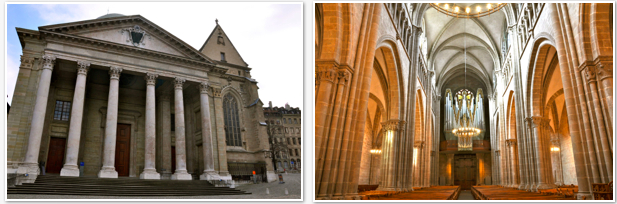
 

St. Peter's Cathedral - present day


However, St. Peter’s is most notably known for being where John Calvin gave his sermons in the mid 16th Century.

Ferdinand Hodler’s painting of Calvin preaching in St. Peter’s

In the 1530’s, Martin Luther had just started in Germany, the printing press had begun to print copies of the Bible, and Geneva had just opted for the Reformation. Calvin, a young French man, was passing through Geneva (he stayed at a hotel in nowadays Place du Molard) on his way to Strasbourg. He hadn’t planned to stay, but later returned to contribute to the foundation of Protestantism.

Geneva then became a refuge for Protestant people to escape persecution in France, Italy and other neighboring countries. More on this and its contribution to Genva society as we know it can be found here in an earlier blog post.

Someone who doesn’t know the teaching of Calvin might characterize St. Peter’s cathedral as the most bland church in all of Europe. However, it was intentionally so. Calvin was very strict in his views that money should not be spent on embellishing the church. So much so that all its altars, statues, paintings and furniture were stripped away during his time. There is still very little decoration, only tiny stained glass windows.


Recent trips to cathedrals in Madrid, Siena, Florence and Lyon show that the Spanish, Italian and French have different theories than Calvin on church decoration


Despite its very simple interior, there are really amazing views from the top of the cathedral. This were actually taken in the Fall vs. our winter trip as it was a bit cloudy that day.
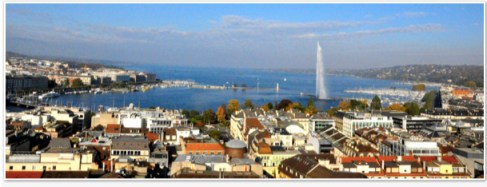
 

I find it interesting Geneva still serves as a haven for those escaping religious and political persecution. Makes me grateful that I was born in a country in which we didn’t have to fear for either.

In Winter Wonder with Pascal and Giselle

Post by Lauren

It’s an exciting week in our Swiss household! We have guests Pascal and Giselle, in from Richmond, VA. Geneva has been really behaving, showing its pretty blue sky. We didn’t even know that was possible in the winter here.

So, we feel very grateful that while they are here, they can actually see the mountains instead of the perma-cloud layer that hovers above us usually.

When they arrived, we forced them to stay up and took them around to Carouge Saturday market day and then to Annecy, France so that they could be out in the daylight to help with the effects of jetlag*.

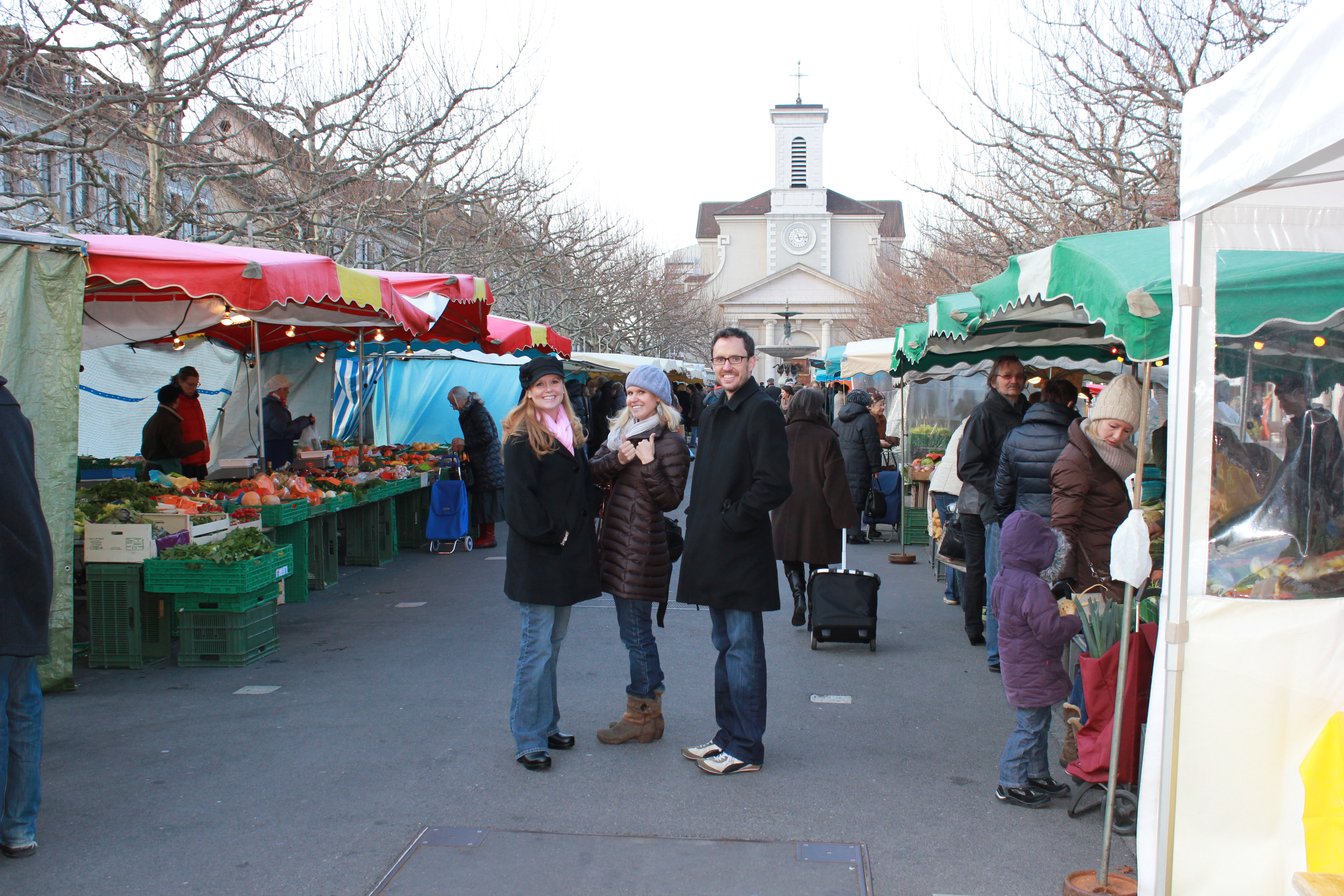
Market day was a little quiet in the winter vs. summer, but still very enjoyable as Carouge always is with its simple Italian architecture and colorful artisans:


A quiet day at the Carouge market


Next, we went to Annecy, France for lunch. Pascal and Giselle had their first savory crepes. Did you know that a crepe can be a dessert and a meal? Kind of like a wrap…with a pancake. They ordered hamburger ones….check them out below. Even though it was about 20 degrees, there were still a ton of people enjoying the Saturday blue skies and even a crew team practicing in frigid Lake Annecy below snow capped mountains.

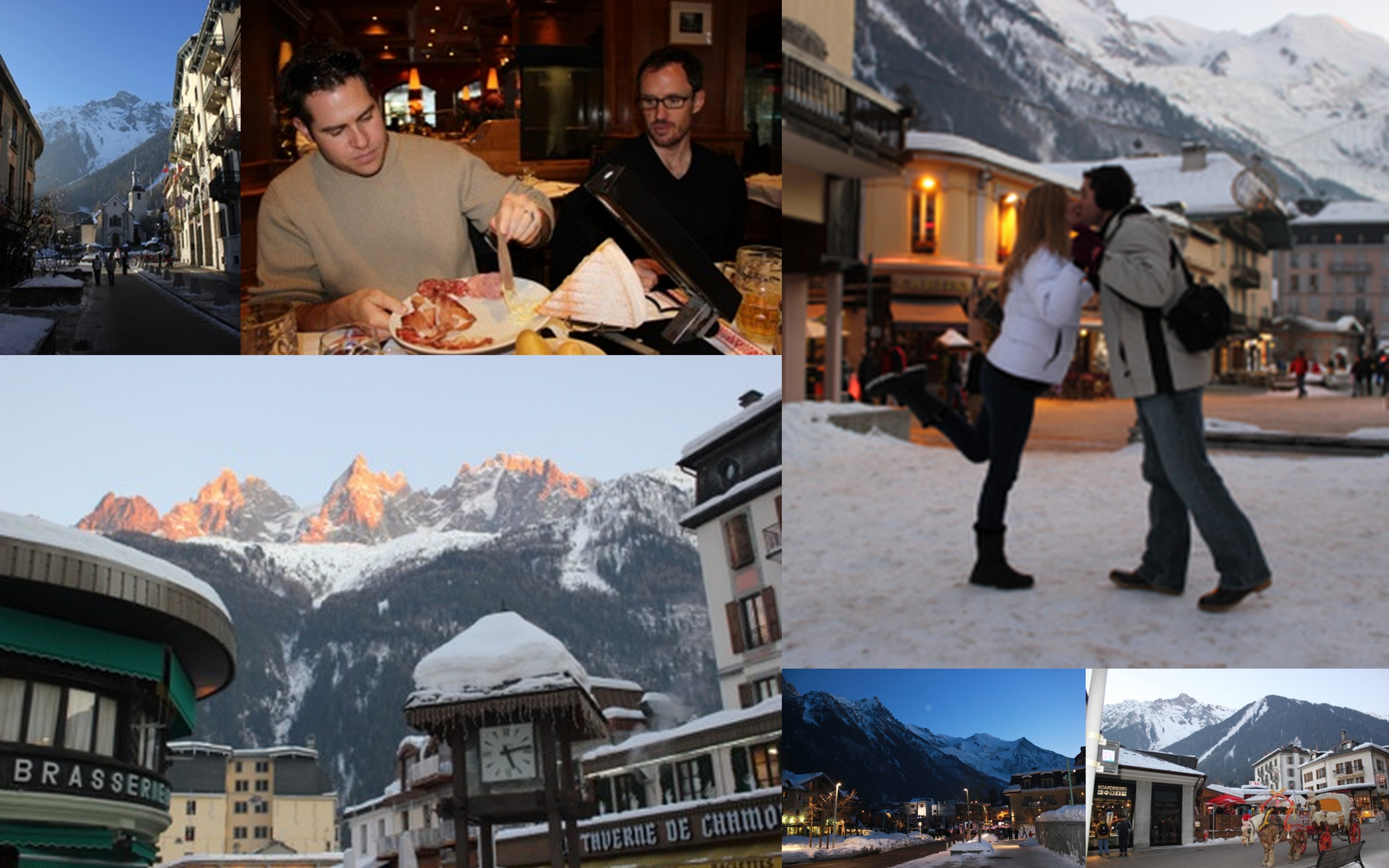
The next day, we ventured to Chamonix & Mt. Blanc. We took the Auguille du Midi to the top, the world’s highest vertical ascent cable car. Gabe and I had done this back with Henry Birmingham on July 4th weekend, but boy, what a difference winter makes.

Everything was snow covered and beautiful. We were in awe of the off-piste skiiers.

After the dizzying adventure up Mt. Blanc, we had a nice warm raclette meal in Chamonix, the base village. Very soon, there will be a cheese tutorial on The Swiss Watch Blog so you can learn more about this fabulous Swiss dish. It’s soooo good.

The famous French ski town was bumping at dusk and into the evening, full of skiers and snowboarders returning from the mountain.

You are probably wondering why we keep taking Pascal and Giselle all over France when we live in Switzerland. Actually, because Geneva is surrounded by France, the alpine areas of France are much more accessible to Geneva because of the topography. See my ski map, complete with flags, to check this out.

Don’t worry, we’ll take them around in Switzerland soon. Stay tuned….

*When you visit us, we will also do such mean things as to not allow you to sleep and force you to be in the daylight to reduce your chance of jet lag.

Heineken redeems itself

Post by Lauren

Prior to going to Amsterdam, all I knew about Heineken was from Gabe. I noticed at Montreux Jazz Fest that he had a certain scale on whether or not he would buy a Heineken or not. For instance, if it was 10 minutes to the next beer stand, either in distance or with time spent in line, he would go for the Heineken stand (as a sponsor, they were all over the place) versus what he really wanted. Then and only then. So, I supposed I had a slightly negative vibe.

We heard from friends that the Heineken Experience in Amsterdam was pretty cool. These friends know a lot about beer tours, so we figured a nod from them was a good reason to check it out.

Here is what I learned:

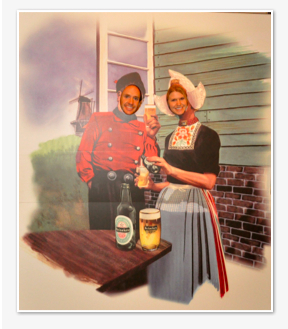
Heineken started as a family owned business. Leadership was passed from father to son, through the generations, and now a daughter runs the massive International company. Because it is a family name, they are very protective of the quality and have a laboratory to make sure that the beer tastes the same no matter where it is sold in the world, to protect the brand and their name. Pretty cool.

No matter how hard the Great Depression was, Heineken didn’t lay off a single employee. In fact, they were the only such company who gave pensions during that time. They really believed in their people and their propensity to make it a great company. Very admirable.


During the “experience”, they like to have fun. They let you touch the ingredients and do each step as it was done in “the old days”.

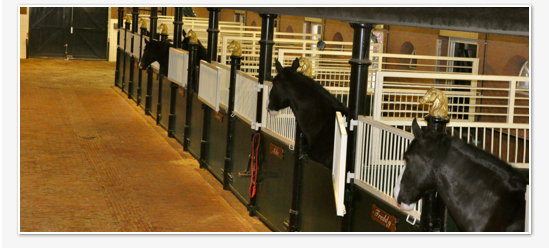
They have animals. Who doesn’t like animals on a tour? Kidding aside, we thought they ripped this off from Budweiser but learned that horse & carriage were the way that all beer was delivered in the olden day. They still keep these chaps around for parading the beer trucks through Amsterdam.

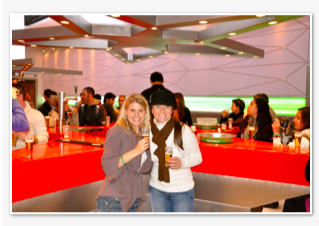
They give you lots of free tastes along the way. We learned how to do a proper beer tasting as well, similar to how you taste wine. The star shaped bar was pretty sweet. We were starting to grow in fan-ship at this point.

They also had tons of other interactive parts of the experience. We went into a 4-D room where we were a piece of barley made into beer. Gabe made fun of me when I put my camera away due to the sign warning it could get wet. But no joke, the floor dropped when we were “dropped” into the tank and the ceiling sprayed as well. We also experienced lots of breeze when we were “bottled”.

Other activities included games to fill a pint glass perfectly with the tap, a spot where you could make your own bottle with your name on it, and a place to do your own Heineken music video.

Another room contained screens playing movie clips for which Heineken had gotten product placement so you got to see James Bond, Brad Pitt, and John Travolta popping open a cold Heineken. It makes me wonder how much they paid for these

Next was a lounge area where you could lay in leather chaises and view all the old TV spots from the 50’s and 60’s. I like this one:

http://www.youtube.com/watch?v=YQhfIVhz04s


Finally, they gave you two free beers in the really animated World Bar, showing all over the world where Heineken was sold.

Gabe was reluctant to say whether he likes Heineken any better, but agreed that a Heineken in Amsterdam tasted better than any Heineken he had previously. However, I am now a super fan, mainly because I thought they did a brilliant branding job in the experience. It was definitely the best company tour I have ever done.


Tuscany: Siena, San Donato and San Girmignano

Post by Lauren

My first time to Tuscany, I remember feeling like I was driving through a Van Gogh painting. I loved witnessing with my own eyes the way the cypress dotted the landscape and gave protection to the rolling hills of vineyards and olive trees.

This trip, I was lucky that I got to see four new places in the Tuscan region.

SIENA – Beautiful hill town, a continual rival of its neighbor Florence. Verdict: I prefer Florence. Although, maybe I should visit Siena again when we aren’t so pressed for time and I’m not hungry.

POGGIBONI

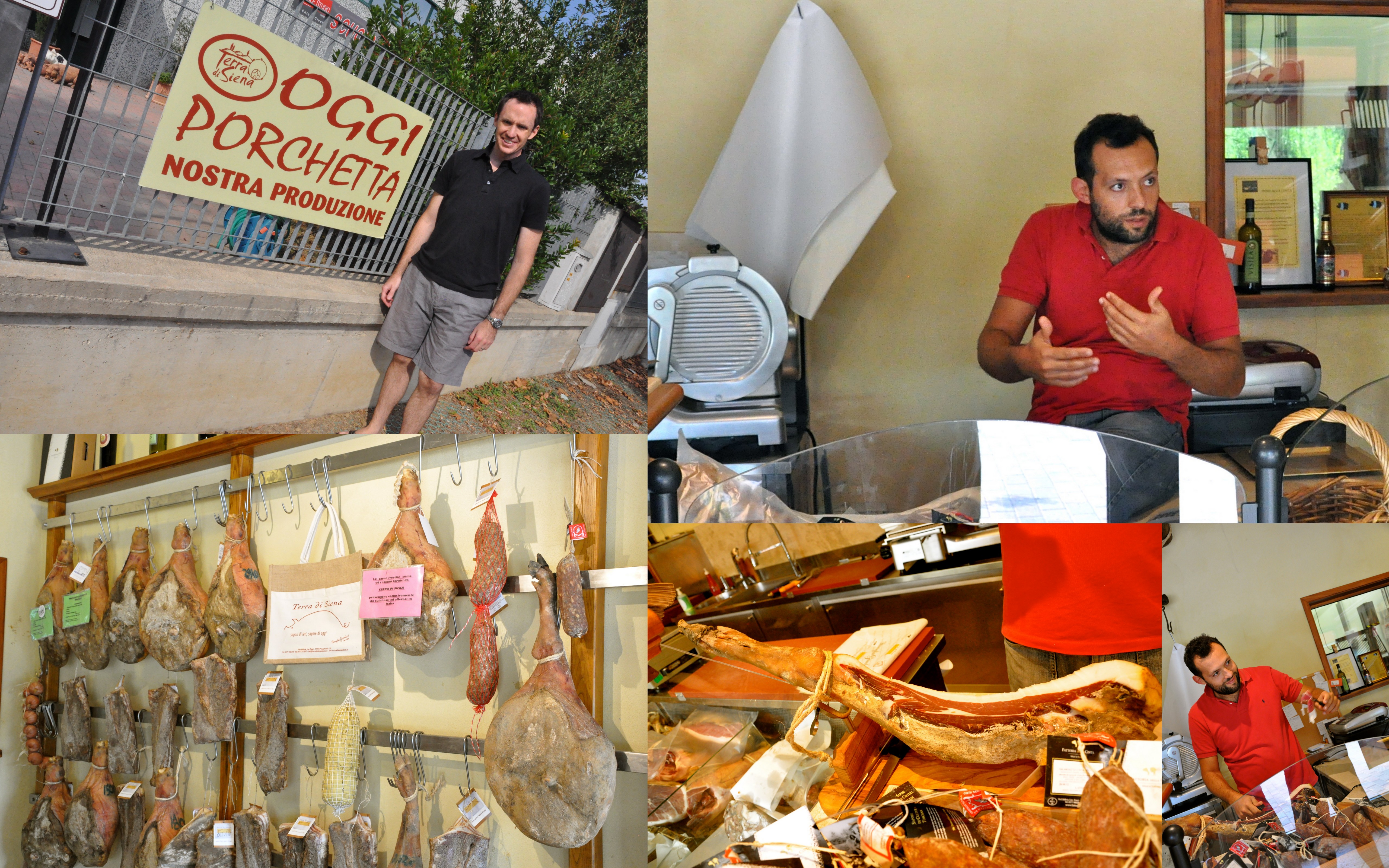
Since this trip was a terroir trip to experience food and wine, one of our stops was a tasting with a local Tuscan butcher, Filipo. He explained the history of the family business which was quite interesting, and then invited us to see the cinta pigs roaming on the land. Cintas are a different type of pig – they are striped – and they also graze on nuts, forest foliage, and berries.

On the trip over, we discussed how important we think it is to see the source of our food. Too often you forget. Filipo shaved our fresh prosciutto off the leg. This is a big reminder to me how we should respect our food and not waste. Also, the way that his free range cinta are treated is a lesson for how important these practices in when selecting what products we purchase.

I found it ironic I wore a white dress on the pig farm visit day.

SAN DONATO

San Donato is a tiny medieval town in the Tuscan hills. We had a wine tasting at Fattoria San Donato of local wine – vernaccia (white) and chianti (red) as well as their beautiful olive oils. A highlight was walking through the familial home to find our courtyard tasting in the groves.

SAN GIRMINGNANO

San Gimingnano is another charming Tuscan hill town, instantly recognizable by its peaking bell towers.

We tasted more tuscan wine and olive oil at La Marronaia, another friend of Kay’s who had a sumptuous cellar. We tasted basic vernaccia, visila, chianti colli sennesi, intenso and quattrossi. I brought back some olive oil to accentuate my Italian dishes.

Firenze!

Post by Lauren

Firenze is Florence in Italian.

My first trip to Italy, my friend Randi and I stayed in Florence for the week for exploring Central Italy. And, Florence was really my first love affair with Italy. And, this trip, it still felt as good to walk those worn city streets.

We did a group tour as most of our group had not yet been to Florence:

I just adore the feeling of the streets. There really is no city that I have seen that maintains so much of its architecture. A few years ago, I read The Agony and The Ecstasy about Michelangelo’s life. I loved envisioning him as a young man in Florence walking these same streets we can today.

Gabe arrived later that evening and we did a family dinner at to Trattoria 4 Leoni which is my favorite restaurant in Florence. It was recommended to me in 2007 by my dental hygienist, Katie, who lived 2 years in Europe. I have sent many people there since and its always been a highlight for them as much as it has been for me.

We had a pasta primi which consisted of pear & asparagus ravioli, penne with a bolognese-type ragu, and a stuffed pomodoro pasta. Next, the ladies had Veal chops while Gabe ordered a steak alla grilia. Gabe and I were practically licking the bone-in portions. We aren’t used to eating meat out in restaurants in Geneva due to its ridiculous pricing and also that it really isn’t good. We are considering flying to Florence for dinner again in the near future 🙂

Afterwards, although we’d already had dessert, we could resist a stop at a gelateria for a cone. The tastes of Italy are so irresistible! It made a good snack as we walked back to Ponte Vecchio and enjoyed a calm peaceful Firenze evening.

Wine Harvesting in Emilia Romagna

Post by Lauren

Our second day, we took a trip down to the Emilia Romagna region of Italy which is famous for parmesan, grana podano, parma ham, balsamic vinegars, olive oil, copa and of course, wine.

Our leader, Kay, is friends with the owner of La Stoppa, Elena Pantaleoni, and so we shared a beautiful autumn afternoon with her at her family vineyards near Rivergaro.

Elena runs a completely organic operation, and we learned about the hard work required for this designation, but how very important it is for the preservation of the land. Gabe and I are both California wine lovers so it was interesting to hear the New World vs. Old World philosophies in wine. My biggest learning from both Elena and Alberto the evening before was how the Old World / European believes more in the terroir, and the wine is a result of the land, where New World believes the result is in the creativity of the winemaker, in the cellar.

Next, we tasted their different varietals. We started out with six on the table for tasting, but realizing how into their wines we were, they started making cellar trips to give us different vintages of our favorites and their new creations straight from the barrel.

The line-up of the wines was as follows :
-Dinavolino, Guilio, the wine maker’s creation from his estate
-Macchiona – 2005, then 2006, then 2007, then the 2002 which was a notoriously rough year
-Barbera del Stoppa
-Ageno – 2007, then the 2010 out of the tank

We tasted the wines alongside local meats like copa (the neck of the pig), salami and grana podano cheese. I enjoyed the flavors of the wine alongside the regional specialities of Emilia Romagna. The whites really were accentuated with the food.

In the end, I bought a Barbera and a Macchiona 2005. Unfortunately, I was limited to 3 to take back so only the Barbera will make it back to Geneva in the end as the Macchiona was the group favorite so was opened for sharing in Firenze.

It was a delight to spend this day with the wonderful people of La Stoppa. While I love learning about wine from all over the world, this special passion and pride is special to any other experience I have had in the States visiting vineyards. We felt like we were their family that day and are so grateful to Elena, Guilio and Francesca for their hospitality and inviting us into their estate. What an amazing place.

Sirmione and Lago di Garda

Post by Lauren

Apologies in advance for a week of Italy on the blog. There was just to much to fit!

The first stop on our trip was to Sirmione, Italy which is located on Lago di Garda in the Northern Italian region. Sirmione rests on a skinny little peninsula jetting out into the lake, providing panoramic views all around. A medieval castle rests on the tip and provides a reminder of the rich history in the Northern Italian lake region.

Here are a few of my favorite photos of Lago di Garda captured at sunrise the first morning:

The night prior, we had the pleasure of seeing a wine harvest in process at nearby Pratello winery in Padenghe del Garda. Alberto took us around the vineyard, showed us the biolake, and we also explored the cellar and grounds. He took a few jabs at California wine production indicating that “wine shouldn’t taste like wood” and then explained how they use steel tanks or neutral oak. He had a great pride of the Italian viniculture and it was contagious.

We had a delightful tasting evening of their sparkling wine-Metodo Classico, their whites-Catulliano & Lieti Conversair, and their reds – Poderi Ogaria and Rebo. Following, we had an incredible meal al fresco on the terrace.

I purchased the Rebo and also brought home a bottle of sparkling for a future occasion.