Fondue at Bains des Paquis

I am excited that E-dawg arrived safely to Geneva this past Sunday.   It is great to have her here!

When I woke up to downpours on her arrival day, it didn’t look good.  Rain, rain and more rain.   Two hail storms later, I greeted her at the airport.  However, low and behold……the sun came out during our bus ride home.  Thank you, Geneva!

After her quick shower and unpacking (remember, I don’t let jet lagged people sleep!), we headed out of the house to try to take advantage of the break in the grey skies.

We took the little yellow boat / muette over to the Paquis to go to Bain des Paquis for an early dinner of fondue.  Unfortunately, we arrived at 5pm and they didn’t serve fondue until 6pm.   Fail.  Poor E-Dawg was starving!     We occupied ourselves taking photos and with an appetizer of viande sechée (dried meat) while watching people skip stones and ducks socialize, until it was time.

Bain des Paquis is very different from your traditional Swiss fondue restaurant.   It is located on an island jetting off of The Paquis neighborhood on the right bank.
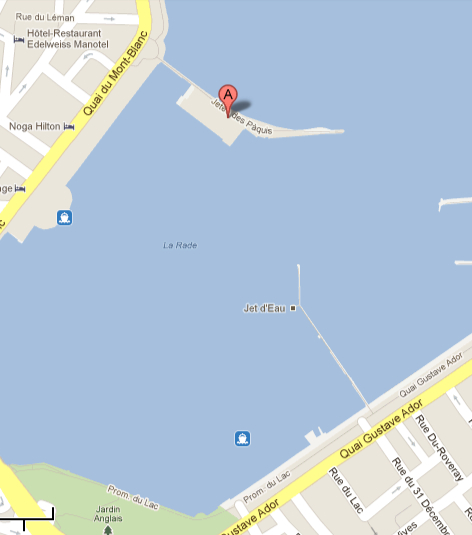
Image courtesy of Google Maps

Difference # 1 – it is right next to the turkish baths.  You are in sight of people in their towels relaxing in the cooling air.    This could turn people off from eating fondue.  Non-adventerous people that is!!!

Difference # 2 – You order at the counter and then they either give you your order immediately, or they bring it to you.  In the case of fondue, they bring it to you.

Difference # 3 – They serve fondue au crémant – it is made with sparkling wine and is lighter and creamier than other types.  Mmmmm.

Difference # 4- You also have the ability to order as many servings as you want no matter how big your party is.  Why is this important, you ask?   Well, the average US visitor cannot eat their fair share of fondue.  Thus, it makes it more appealing for the stomach and the wallet to share a pot of the cheesy stuff.  Who wants to waste half a vat of cheese and pay overpriced Swiss francs for it?  So,  in the case of E-dawg and I, we shared a portion for one (22 CHF).  And it was perfect.  We even reached the toasty cheese-it bottom that is very elusive.
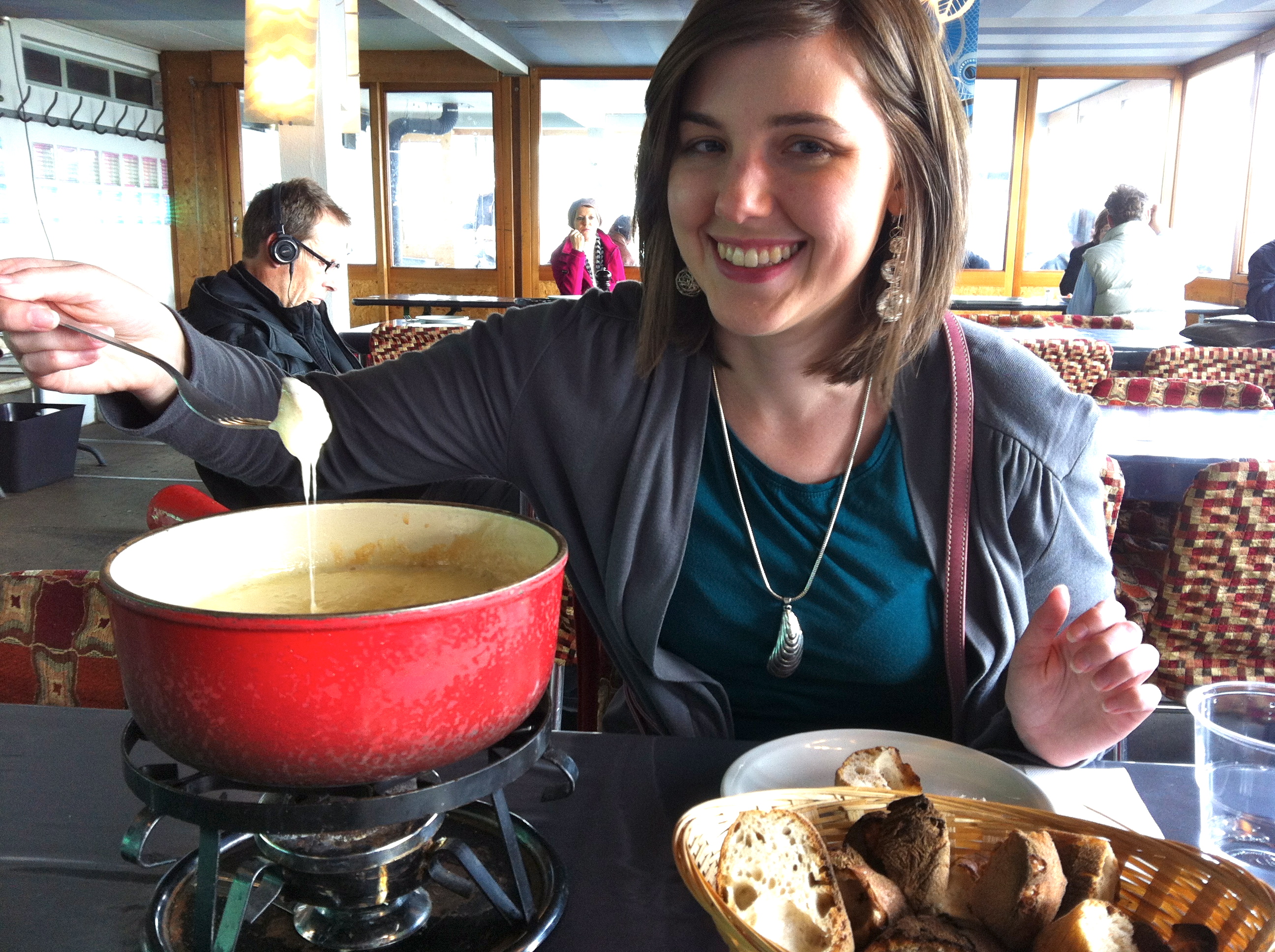
E-dawg enjoying the creamy treat made with cheese and sparkling wine

Yummy cheese-it bottom!

The view is incredible.  These shots were taken just steps away from where we ate.
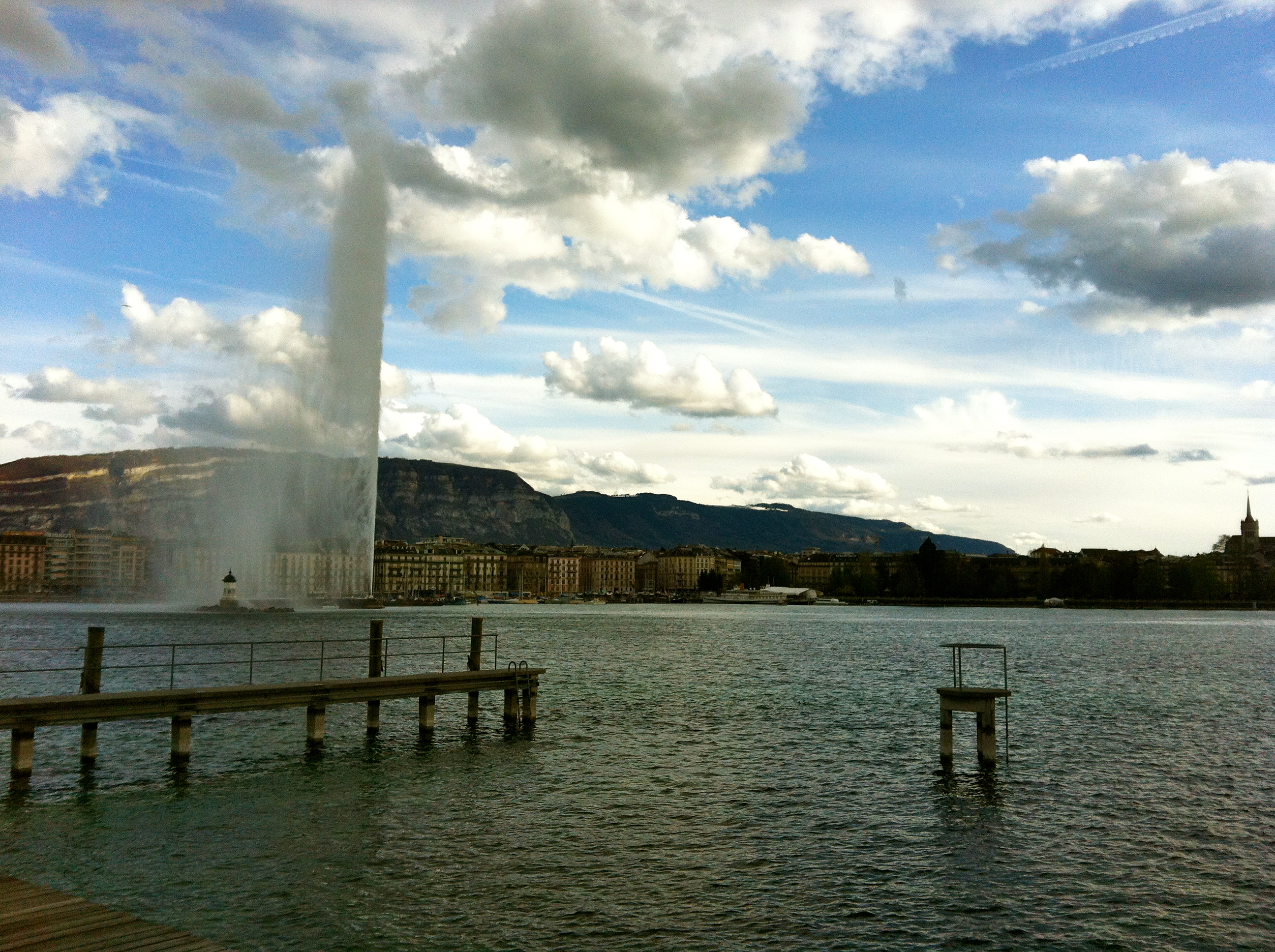
View of the Jet d'Eau from Bains des Paquis

Bains des Paquis is also a nice place to relax

Unfortunately, the Bains des Paquis stops serving fondue at the end of April.  So hurry there before the time is up!  Or else, you’ll just have to wait for Fall…..

Related articles:
The Swiss Watch Blog – Famous Swiss Foods:  Cheese
Schwingen in Switzerland – Expat 101 – Lesson 3 – The Best Fondue in Geneva
Saveur – Fondue au Crémant 
It’s Raining. I guess we HAVE to go to the Chocolate Factory

We were excited to have Gabe’s cousin, Couch Surfer, staying with us for four days in Geneva.  She has been traveling all over Europe for 6 weeks.  Unfortunately, the weather this April has been rain, rain and more rain.   To no surprise, we woke up on her second day to gloomy skies and downpours.

Which begs the question….what in the heck do you do with a guest in Geneva in the rain?  Especially….on a Sunday?

Basically, our conclusion was to taste our way through Switzerland.    And thank goodness that while all cultural attractions in Switzerland are closed on Sundays and Mondays, the culinary attractions are still a possibility.

The Cailler Chocolate Factory is about an hour and a half drive from Geneva, in Broc.   It is located right next to Gruyeres and the Cheese Factory making it convenient to hit both in the same trip, time allowing.   We had been to Gruyeres before with Andres, but not to Broc.  As we drove and got closer and closer to Cailler, we realized we were in the middle of nowhere.  Where I grew up, we would call this BFE.

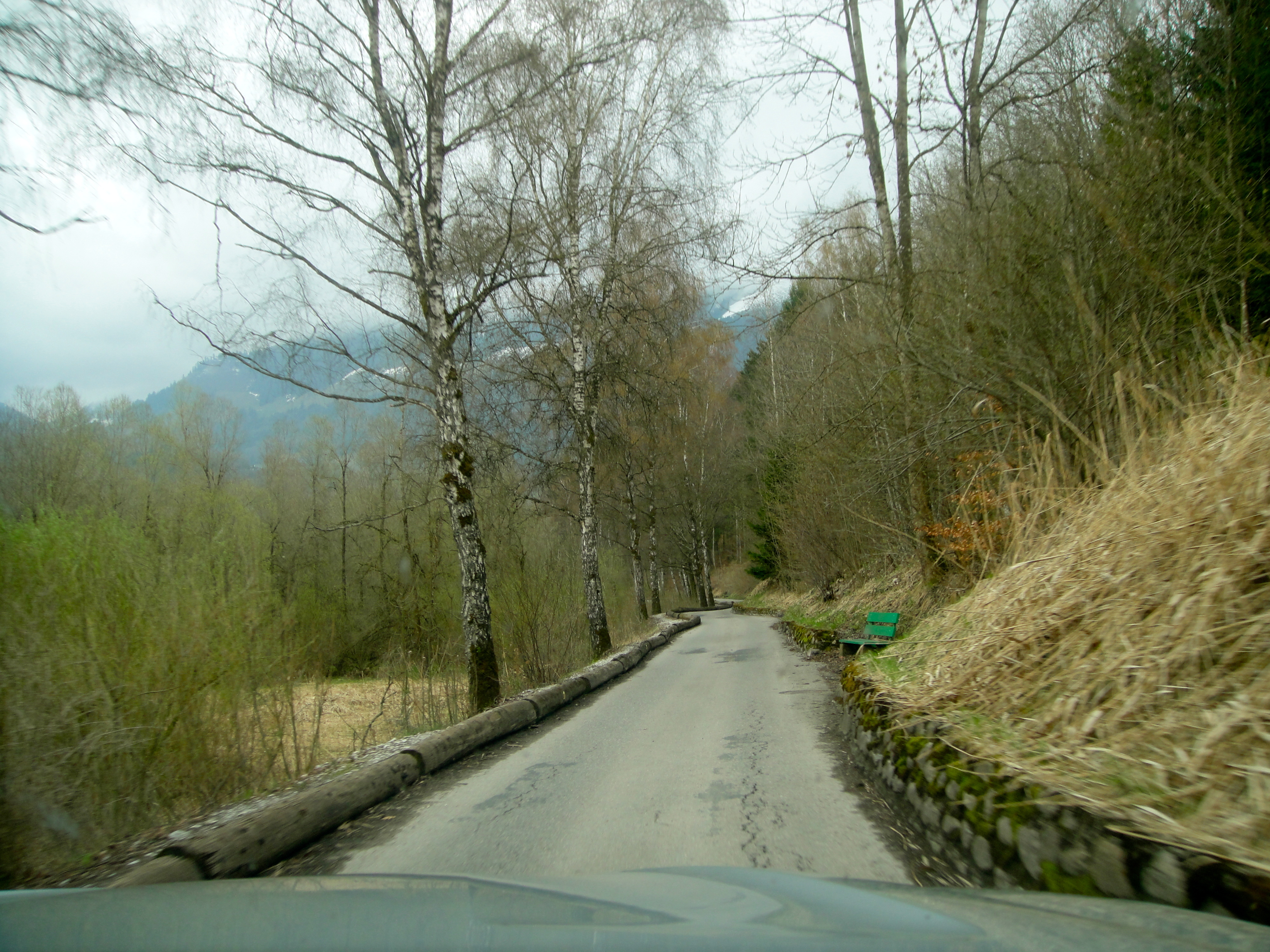
Our GPS showed we were one mile away from the famous chocolate factory. Really?

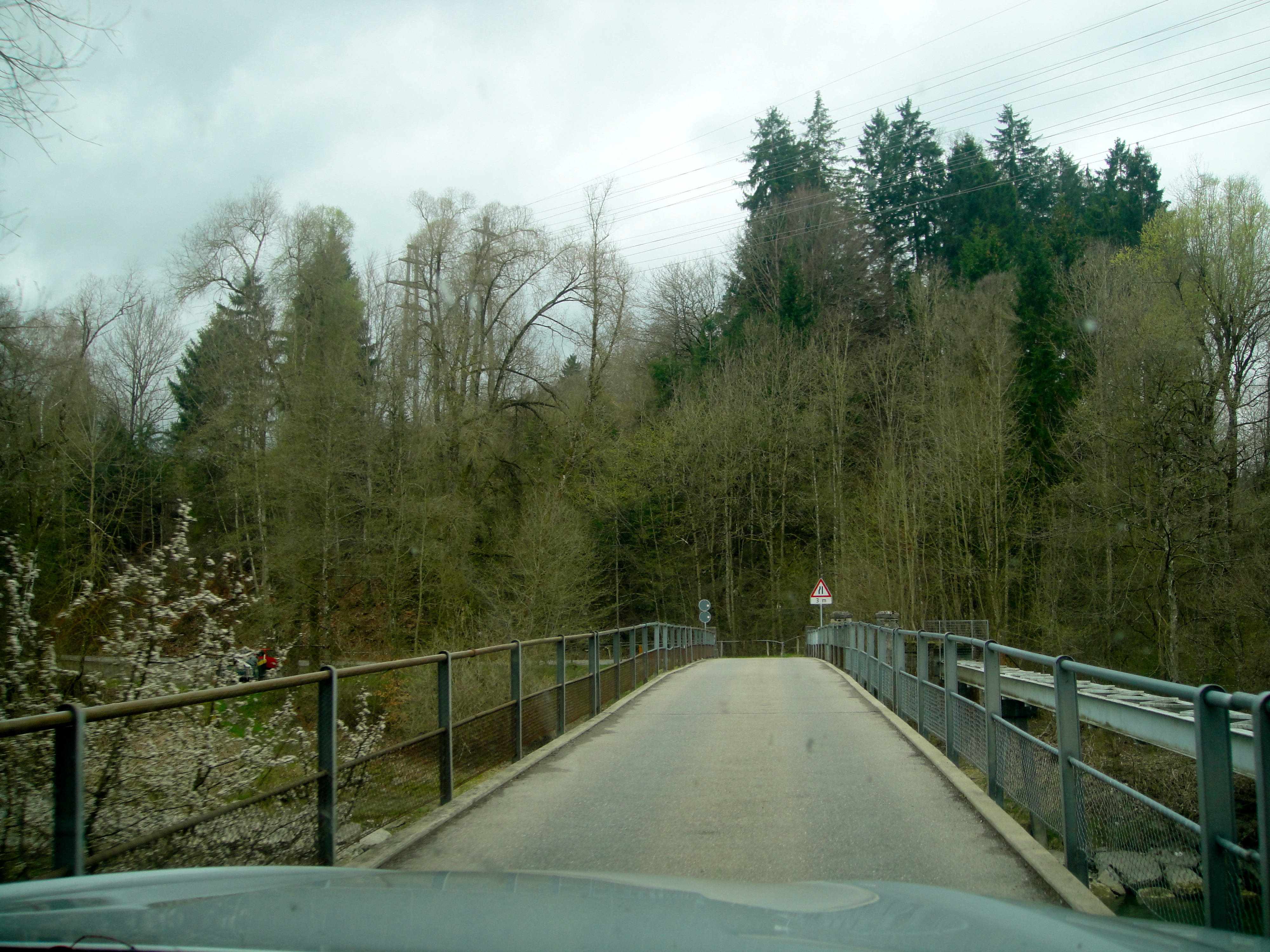
Questioning what we would do if we met a tractor trailer of chocolate coming the opposite direction on what appeared to be a one-lane road to the chocolate factory

Our GPS didn’t fail us – we were in the right spot.    Later in our tour, we learned why Cailler is in the middle of nowhere.   Basically, they wanted access to great milk (cows) and a water supply (Alps).   They also say the chocolate tastes better because of the fresh air of the alpine landscape.  Thus, the undisturbed panorama in Broc could provide both.

And no worries about a collision with a tractor trailer on the one lane road – every piece of chocolate is shipped out via rail.   That is except what goes out in tourists pockets!

Arriving at Cailler.

We were grouped into a small cluster of other English speakers for our tour.    The tour was “self-guided” and started by shuffling us through a series of rooms/exhibits to tell the story of chocolate.

It started with the Aztecs and the story of their discovery of the cocoa bean.   They mainly used it to make Chocolati, a cocoa-based drink, which they considered a drink of “the gods”.   Trouble soon arose when Cortez conquered the land and the Aztec people and took the cocoa beans and recipe for Chocolati with him back to Europe.    There, the beans became used as a currency and grew in popularity amongst the nobility (poor people couldn’t afford it).

The controversial drink raised question with the Dominicans, as they suspected that it was a drink of sin and could provide a way for evil to enter the body.  Luckily, Pope Pius V declared it okay and also indicated that drinking the yummy substance didn’t constitute a break in fast during Easter.   It’s popularity continued to grow throughout Europe, particularly in Paris, and it was marketed as an aphrodisiac.

The Belgians and Germans contributed a great deal to the Chocolate Movement.  However, it wasn’t until the 19th Century that the chocolate movement moved to Switzerland.  And, they caught up fast.

1n 1819, Cailler opened the first chocolate factory in Switzerland.  In 1875, Peter “invented” milk chocolate by figuring out how to fuse the chocolate with a valued Swiss resource: dairy.  Nestlé who had invented baby formula from milk, helped add to this new delicacy with his know-how around milk and manufacturing.   During the Great Depression, Nestlé and Cailler actually merged for survival.

Swiss chocolate is said to be the best because they were the inventors of milk chocolate.   However, don’t discredit the dark so fast….it is also a specialty because of the specialized conching (the process in which chocolate gets smooth and shiny) and aging that is unique to Switzelrand.

After learning the history, we got to touch the beans and ingredients, learn about why chocolate is good for us, and watch Branches being made.   If we have brought you chocolate from Switzerland, there is a good chance you tried a Branche bar.

Got a flashback to I Love Lucy watching the chocolate on the assembly line

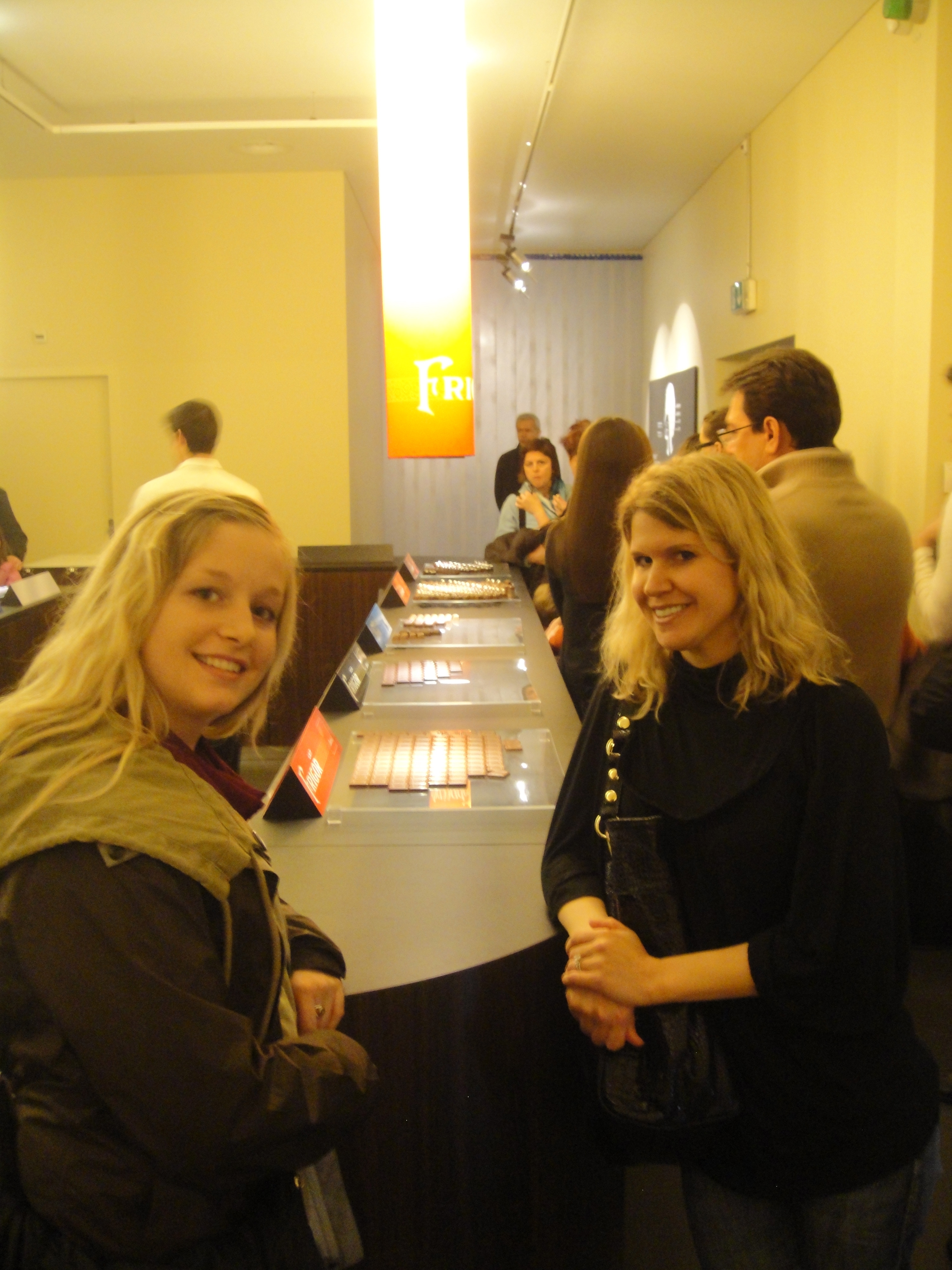
We got mini branches to taste and then we got to go the tasting room, with 15 types of chocolate.   They were smart and had a chocolatier on guard so that guests couldn’t scarf up all the chocolates.

Also, we had heard to “hold out” in tasting as the ones at the end are the best and you don’t want to burn out, so we did so.  The tip was accurate.  The nicer ones were at the end.  I adored the dark Ambassador ones with coffee and hazelnut filling.

Me & Couch Surfer, getting ready to taste!

We wrapped up around 4pm and decided to skip the cheese factory in lieu of more time in the Lavaux wine region.   Lavaux is an easy stop to add to any trip on the other side of the lake.   We drove through the adorable wine village of Chexbres before parking at Vinorama, known to be open on Sundays and a place that hosts a variety of Lavaux types.

Vinorama is a nice spot to take visitors, you may remember it from when The Captain and Swiss Miss were visiting.

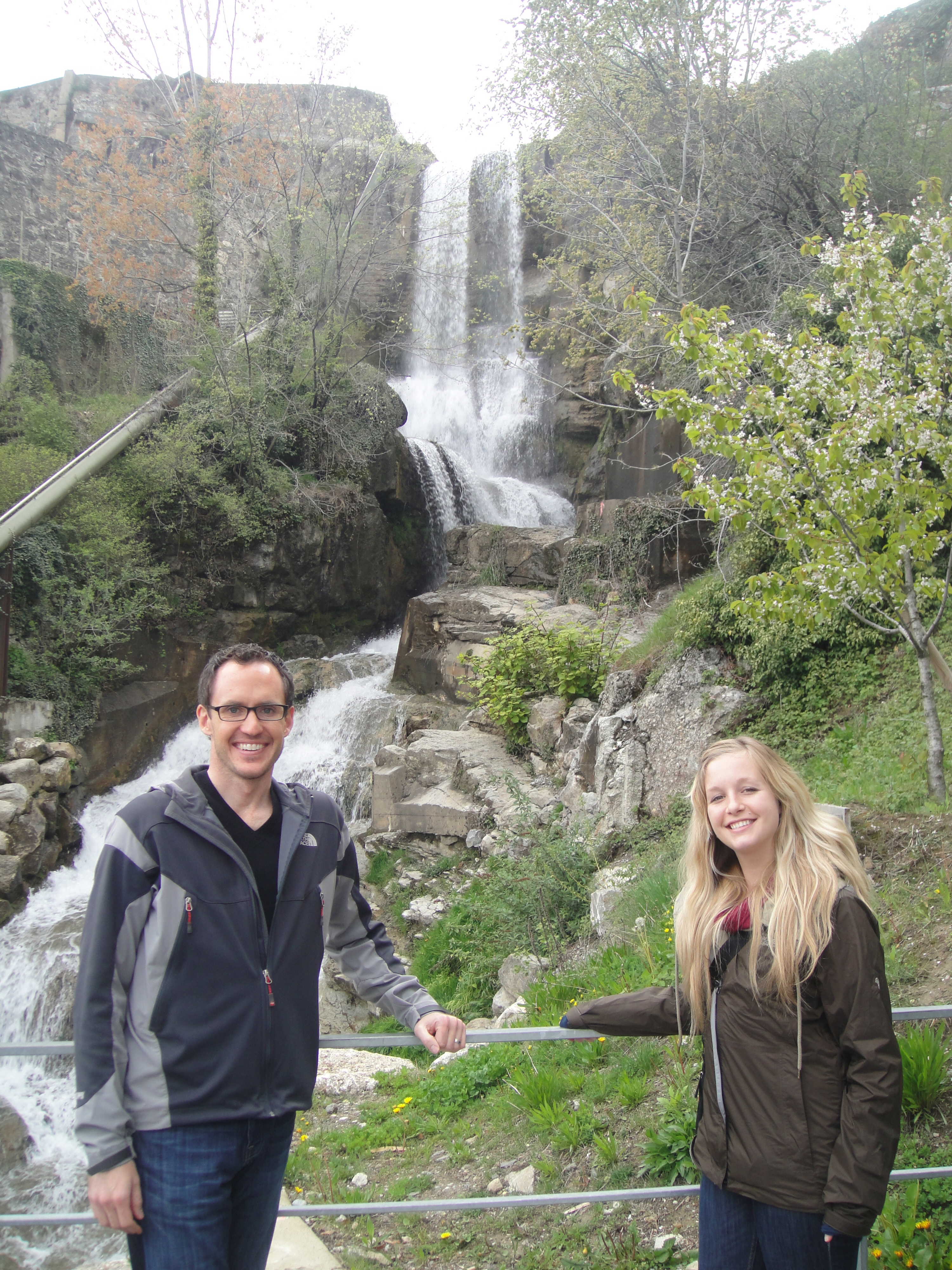
Gabe and Couch Surfer in Lavaux. The last time I came, the waterfall was frozen solid.

Last time I came, we did a formal tasting.   However, this time, we opted to each select two half glasses.    Our selections rounded out the chocolate and the afternoon with a nice taste of another Swiss product.

Related Links:

The Swiss Watch Blog: Famous Swiss Foods – Chocolate

Schwingen in Switzerland: Chocoholics Anonymous

Discovering Geneva: The Patek Philippe Museum

As I mentioned in a previous post, Geneva benefitted significantly when well-educated, skilled tradesmen found refuge in the city during the Reformation.  One such way is in timepieces, most importantly, the wristwatch.   Due to John Calvin’s strict hold on the city, he did not appreciate any luxurious items being created just for luxury’s sake (for more on this, read about Old Town and the Cathedral).  So, those goldsmiths and silversmiths had to find some practical activity in which to dedicate their talents.  Keeping time was practical.  Thus, how Geneva became known for the wrist watch.

Everyone wants a Swiss wrist watch.  They are known for their exquisite detail, design and reliability.  And, you can’t walk very far in Geneva without hitting a store selling them.  However, don’t get excited about buying a Swiss watch when you visit us.  With the exchange rate and price of goods in Switzerland,  it’s much cheaper to buy your Swiss watch in the US.

Typical landscape of Geneva. Watch store after watch store.

If you like watches, when you visit us, you can tour the Patek Philippe Museum.   Patek Philippe is a brand of watches, based in Geneva.  In fact, the most expensive watch ever sold was a 1933 gold Patek Philippe, for $11 USD million.  Don’t worry – you don’t have to shell out that much cash to get a Patek Philippe.   The cheap versions start at about $10,000 USD.

The museum has four floors of displays on keeping time.   The ground floor contains actual work desks & tools used in the early days.  The top floor, 3rd floor, contains the archives and a library.  The 2nd floor has the antique collection.   The 1st floor holds time pieces from the last 150 years.

When Gabe’s cousin, Couch Surfer , was here, we caught a Patek Philippe visit late Saturday afternoon after her 4:20 train arrived, knowing it would be closed Sunday and Monday.

It was a worthwhile stop.  My favorite pieces were the timepieces for women, discretely designed to look like necklace pendants.   Unfortunately, we couldn’t take photos inside the museum.  However; from this video, you can get a gist of the miraculous pieces contained inside.


*Sunday and Monday, most of the museums are closed in Geneva.  Plan accordingly with your visit if you want to hit museums and tours.

Rolling….

Post by Lauren

Because of the limited mobility of my feet, it was much easier to ride in a wheelchair for the longer distances when traveling with Gabe’s family.  I have gotten permission to walk up to 30 minutes at a time (at a snails pace) but I am supposed to keep them elevated the rest of the day if I walk that much.  By riding in a chaise roulant (French for “wheelchair”), we didn’t have to stop and take 1000 breaks.  It is also easier for Mama Mia when doing long long days of tours and exploration to ride in the same style.

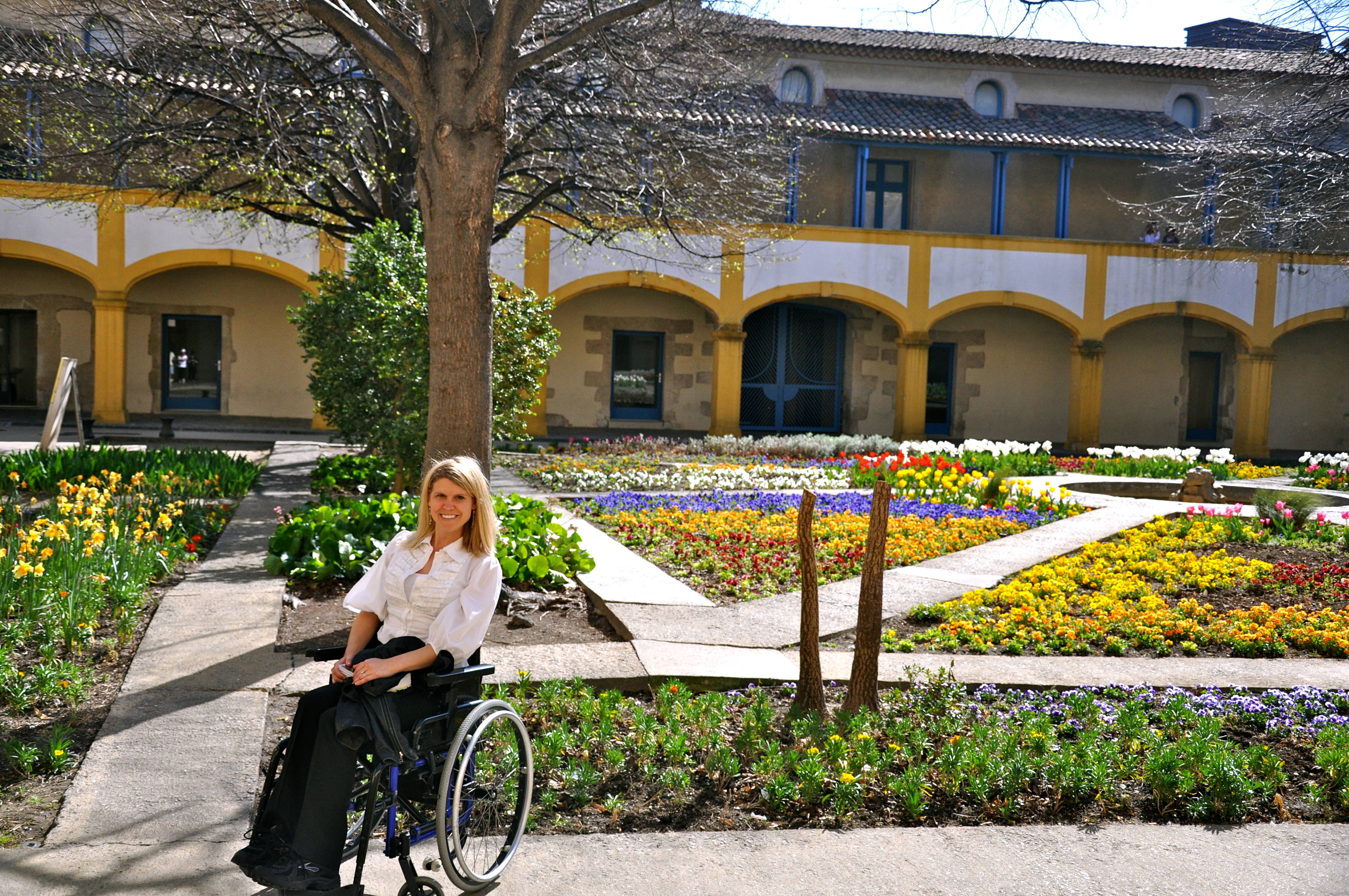
Hanging out in the courtyard of the hospital where Van Gogh lived / painted.

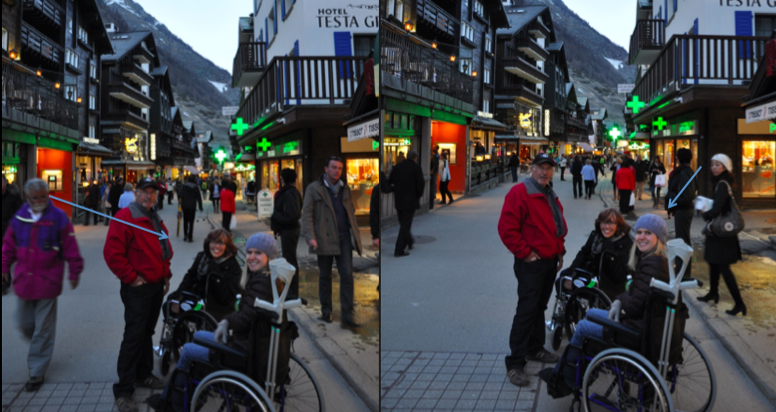
However, wheelchairs are not common in Europe.  Or so we are guessing by the stares we received while riding in them in the three countries we visited.   Not kidding that people would stop in their tracks and look.  For extended amounts of time.

In Zermatt, we guessed that maybe thought it had something to do with the thought of ski accidents since it is a huge winter sports town.  Maybe it scared them for what was ahead on the slopes the next day.   I joked with Gabe that if someone asked, I was going to tell them that it was a result of heli-skiing on the Matterhorn.

Attracting curiousity in Zermatt

In Milan, as Gabe pushed me along the streets of the fashion capital, we realized that this particular accessory also garnished a lot of looks.

In Nice, an 8 year old girl rollerbladed backwards for an entire minute so she could continue to gawk as we strolled/rolled down the Promenade d’Anglais.  I was worried she might collide and need one herself by the time the viewing was over.

I wonder why wheelchairs aren’t as common in Europe?   Maybe its the difficulty of cobblestones or lack of access to elevators & handicapped bathrooms due to older buildings?

Anyhow, just another culture difference we are learning about.

Monaco and Monte Carlo

Post by Lauren

Gabe has wanted to go to Monaco and Monte Carlo since we have moved to Europe.  Being a fan of James Bond, I think he wanted to see the winding roads and glitzy casino up close.

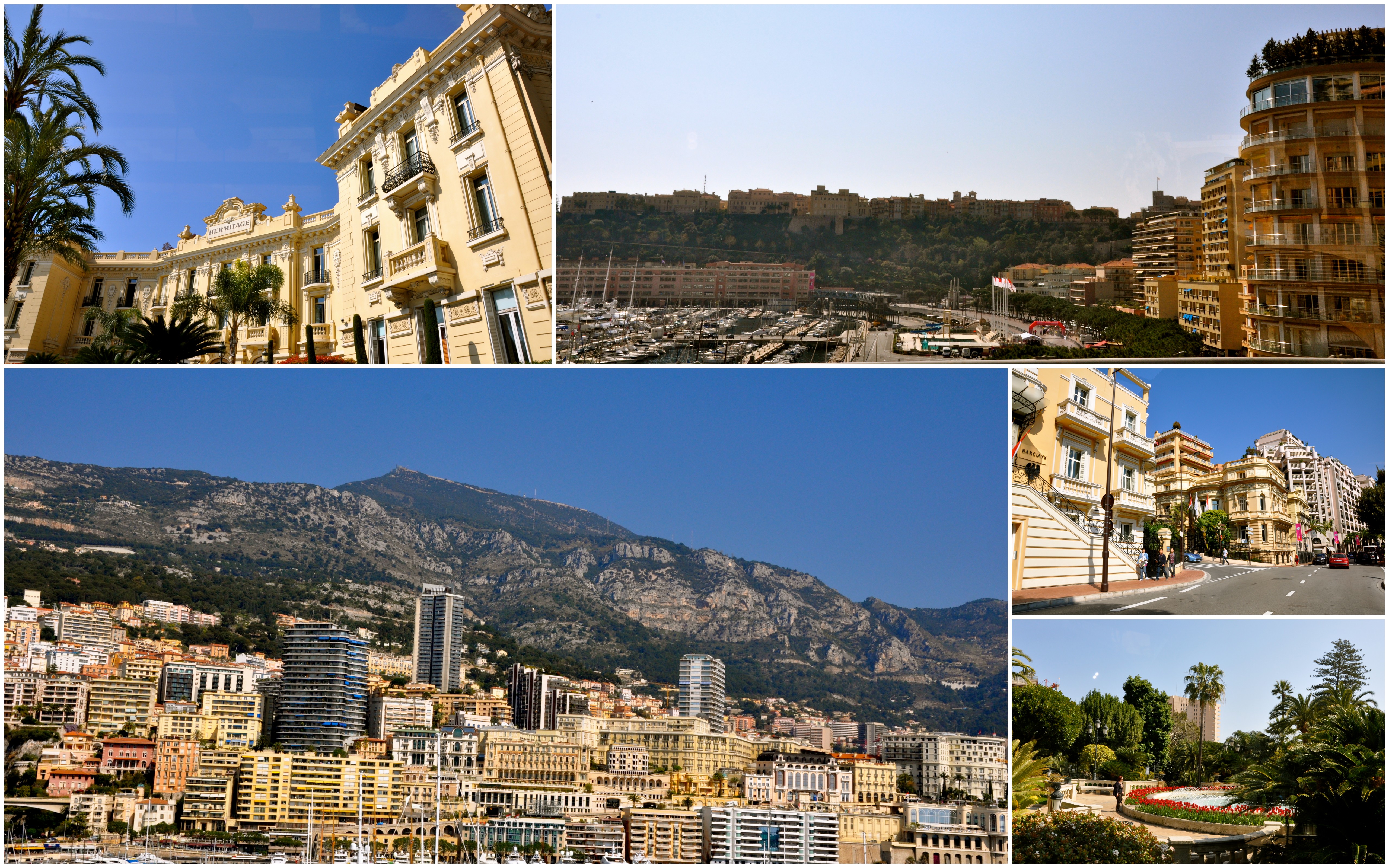
We arrived into Monaco in the morning, making it a perfect time to enjoy coffee and croissants at the famous Café de Paris adjacent to the Casino Monte Carlo.  The Gladiator, Mama Mia, Gabe and I soaked in the rising Monaco sun as we watched Ferraris, Lamborghinis, and Bentley’s roll by.

Gabe and The Gladiator enjoying Café de Paris

Our immediate takeaway is how pristine everything in Monaco was.  To me, it felt like we were walking through an alternative universe, almost like a Barbie village, too immaculate to be real.

Monaco is a sovereign state, ruled by a royal family.   It is currently ruled by Prince Albert II.  His parents were Prince Rainier III and Grace Kelly.  Princess Grace, previously a Hollywood actress, died when she had a stoke and resulting automobile crash over one of the notorious corniches.

Monaco is the second smallest sovereign state in the world, after Vatican City.  It is also the second most densely populated, only occupying one square mile of land.   It is the same size as Central Park in New York City!  It takes about an hour to walk across the entire country (not counting me with my bum feet).

We took a little train tour, and learned a number of things about Monaco’s history.   For one, they have a police officer for every 60 citizens.  Thus, crime is virtually nonexistent.

Monaco doesn’t have taxes, making it a desirable place to live.   The casino was started as an effort to start bringing income to the principality.  There is also no border patrol. They speak French and take euros in addition to their currency, the monegasque franc.


And how can we forget the F1 races?  Monaco’s notoriety has soared because of these infamous races that take place in its winding streets.  We think these would be neat to see one day.


Image courtesy of F1 4 Kids


However, for now, “Goodbye, Monaco”.  Back to reality for us….


Villefranche, a quaint sea village

Post by Lauren

We had heard from numerous people that Villefranche was a great place to stay on the Cote d’Azur.   After spending one night, we’d wholeheartedly agree.

Villefranche was quaint and beautiful.  The colored buildings were gorgeous at both sunset and sunrise.  The small port had cozy restaurants lining the water and provided a nice way to relax and reflect on our trip.

We stayed at Hotel Provençal which provided stunning views. We have a dear friend that recommends The Welcome Hotel as well if you are considering a trip.


Adoring Villefranche


After checking in and enjoying our balconies for a bit, we drove down to the port.  We ended up checking out all the menus along the waterfront and selected Les Corsaires.  Mama Mia announced after we were seated that this night would be their treat in honor of Gabe’s birthday.  It was a perfect way to celebrate!!  Mama Mia had prawns, The Gladiator and Gabe had steaks (Gabe was still on the steak train from our experience in Arles) and I opted for a veal chop.

The place was family owned and dog friendly. In fact, this little guy kept checking on how my veal chop was.

My dinner table friend


Villefranche, we’ll be back some day!

A drive through Cannes and Nice

Post by Lauren

As we continued down the Cote d’Azur, I wanted to stop in Cannes.  I have always been intrigued by the film festival and this interest was accentuated by the HBO show Entourage.  I know, silly reason.

Luckily, Mama Mia & Gladiator were also game for seeing the coastal village.  So, we did just that – took a little detour and drove down the streets of this town in the South of France.

It was busy, bustling with a lot of folks getting photos ops by the grand theatre where the film festival is done.

Downtown Cannes, France

After our glimpse into Cannes, we continued driving onto Nice.  This time, we took a longer stop, strolling & rolling along the Promenade d’Anglais for about an hour.  The sky had grown considerably darker since our 30 min drive from Cannes.  However, people were out enjoying the breeze and beginning to start the nightlife on its stone beaches.

Both towns were interesting to see.   We weren’t blown away by either but have had several people who have lived in both say that we didn’t give them much of a chance.  I’d agree that a quick stop probably isn’t enough to form a judgement.

However, we can conclusively say that we adored the little sea village of Villefranche where we spent the night.  More on that later…

Cliffs of Cassis

Post by Lauren

On our way from Provence to the Cote d’Azur with Gabe’s parents, we traveled a bit out of the way so we could catch a glimpse of the cliffs near Cassis, France.   I had heard they were magnificent.   We traveled on the Route de Crêtes from Cassis to La Ciotat, grabbing lunch in the harbor, before heading east onto Cannes & Nice.

It was amazingly gorgeous.  I had no fear getting out to this rock but soon after looking down, I became a scardy cat and scampered down.

As we were leaving, a team of rock climbers began to repel down the cliffs. Wow, they were brave!  We preferred our seats on the ledge instead!

Gratitude Friday: Stepping into a Van Gogh Painting

Post by Lauren

We added Arles to our list because we knew The Gladiator would like its Roman history.  Arles has a Roman arena in marvelous shape.

However, I also was jazzed about hitting this UNESCO world heritage city because my favorite artist spent a stint of time here and credited it to be the most inspiring place of his career.  Thus, I am making our visit this weeks’ gratitude post.

Upon arrival, we stopped at Hotel Dieu, the hospital where Van Gogh recuperated after he cut off his ear.  We had learned in the Van Gogh museum in Amsterdam that this incident was likely out of anger during a fight with fellow artist and object of his obsession, Gauguin.  Some say it was actually Gauguin who mistakenly cut off the ear in a sword fight and Van Gogh covered it up to protect Gauguin.  Only the dark streets of Arles can be sure.

Nonetheless, after the ear was no more, Van Gogh ended up at Hotel Dieu.  It was really neat for me to see this courtyard.  I instantly recognized it from a few paintings he did during his stay.

Espace Van Gogh, site of the Hotel Dieu, hospital where Van Gogh recovered

Later, we enjoyed an amazing dinner al fresco at Café Apostrophe in the Place du Forum.  I  say it was amazing because Gabe and I each both ordered a marvelous bone-in steak. We aren’t used to good quality beef in Switzerland.  It is typically small, expensive, and underwhelming.    We tend to get excited for eating out in other countries and Arles didn’t disappoint.

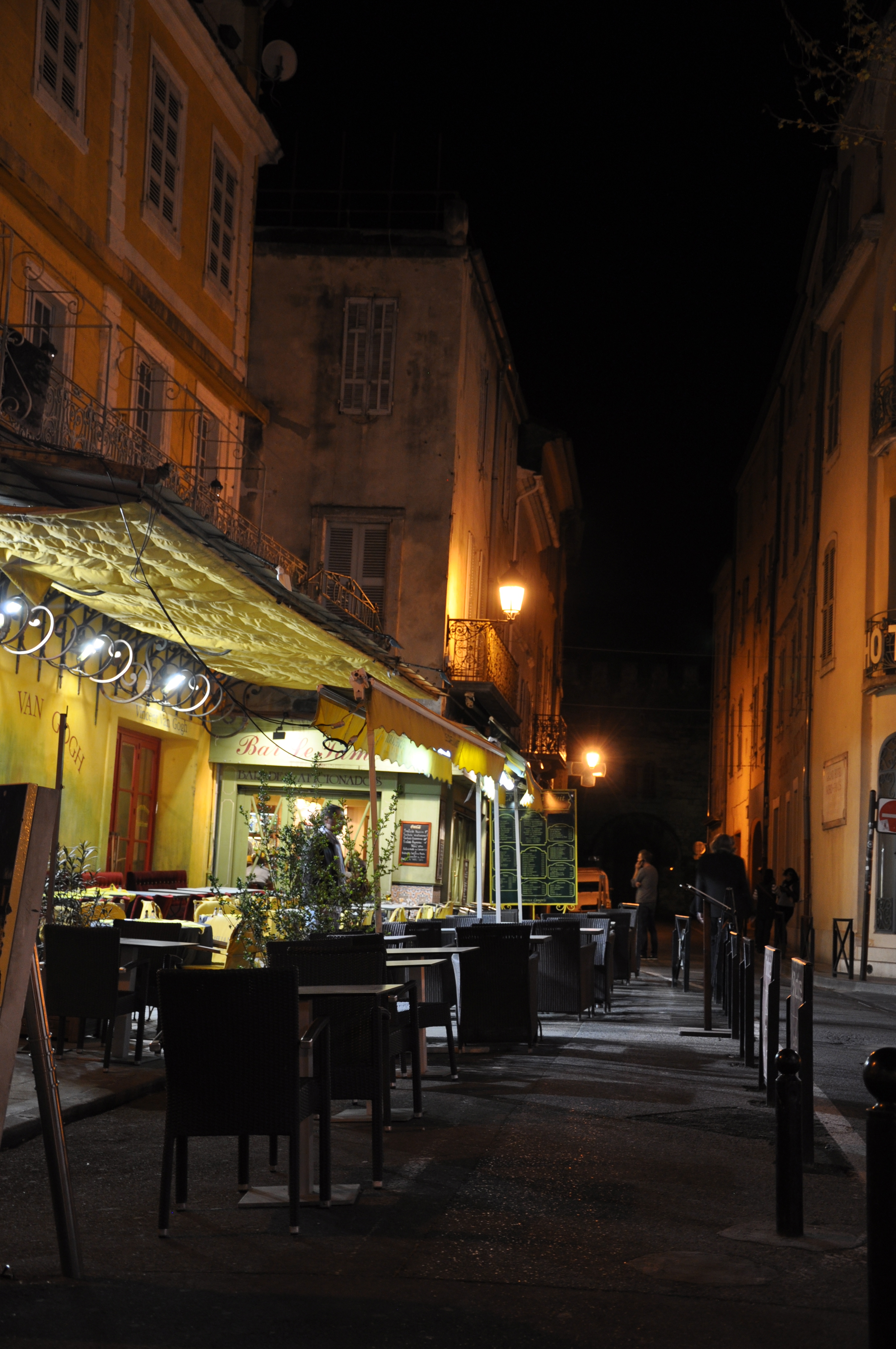
A highlight for me beyond the steak was sitting in sight of the café in the scene of the Café Terrace on the Place du Forum, Arles, at Night. About the night cafe, Van Gogh said, “”I have tried to express the idea that the café is a place where one can ruin oneself, go mad, or commit a crime.” (source: Wikipedia)

Recognize this scene? The Café - taken with my own camera - the source of my goosebumps!

When I was learning to paint in college, this was the second Van Gogh that I imitated, trying to recreate his brushstrokes in effort to learn the impressionistic style.  I have been lucky enough to travel to other cities that have been the scenes to famous paintings.  However, standing in sight of this little café in Arles sent chills up my spine.

The cafe one that I speak about is in the top left, but also included below are some additional paintings that Van Gogh did while in Arles:

Images courtesy of Wikipedia Commons


In addition to the Van Gogh sights, Mama Mia, The Gladiator, Gabe and I visited Les Arènes, the ancient Roman amphitheater.   Arles thrived during Roman times.  So much so that they needed a stadium to hold 20,000.  In this stadium were executions, bullfights and other gory events of which the Romans were enamored.


Les Arènes

After the fall of Rome, Les Arènes remained but transitioned into a fortress and then later an entire town fit within it’s protection.

Les Arènes, circa 18th century. Photo courtesy of Wikipedia Commons.

Les Arènes is still used today for shows and bullfights.

Throughout the trip, we also enjoyed strolling down Arles beautiful streets and window shopping.    Mama Mia and I picked up some provençal goods…linens for me, and some souvenirs and gifts for her.   However, we all just enjoyed walking along taking in Arles. To me, the buildings were so gorgeous…

Streets of Arles

Arles is said to be the most creative portion of Van Gogh’s career.   Now, I see why Van Gogh liked it so much.  I am grateful to have experienced it myself.

Bon weekend, everyone!

Pont du Gard

Post by Lauren

Part of our group left after a week, leaving behind Mama Mia and The Gladiator.  The Gladiator had said he wanted to see the South of France so we took a road trip: SOF style.

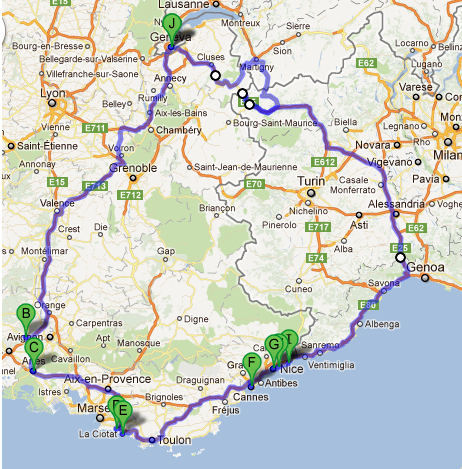
This is the route we took; a big loop through 4 countries...if you count Monaco as its own country

Gabe and I tried to tailor the trip to:

-see a variety of geography

-see what was most interesting to all of us personally

-stay in financially efficient hotels. The South of France ain’t cheap.

Our first stop was at the Pont du Gard, an ancient Roman aqueduct  near Nîmes.  We knew that The Gladiator would like it because he enjoys history, particularly of ancient cultures.

The Pont du Gard was built in 19 B.C.    It is 50 km long and has three tiers.  It is remarkable site to witness and thus is designated a UNESCO world heritage site.  By the way, we hit 5 UNESCO sites during the family’s time here.  Gabe and I increased our total number by 3 during the family visit!  Woo hoo.

The Pont du Gard was designed to carry water to the fountains and baths of Nîmes, estimated 44 million gallons/day.  It is noted that Augustus’s son-in-law, Agrippa, was likely in charge of the design and execution as his aide and magistrate of water supply.

We had a sunny day.  However, it was incredibly windy.   We had brought a picnic to enjoy in view of Pont du Gard and had a hard time tying everything down while we ate.  Being the only one without sunglasses, I accumulated lots of Roman dust in my eyes which I had to flush out in the restroom of the tourist office.

My french tutor attributed the wind to “le mistral” the wind current along the Rhone river.

If you are touring Provence, this is a worthwhile stop.  Just be prepared for le mistral!