Crete: 50 Shades of Blue

It has been a dream of ours to return to Greece, ever since our trip to the country in May 2010.  We enjoyed the history, being surrounded upon every turn with magnificent ruins and chronicles of the past.  We loved the amazing simplicity of their food.  We appreciated the openness of the people, so eager to share their culture, their specialties.   And, the islands….the highlight for me.  I cried the day we left Santorini because I didn’t want to leave the most beautiful place I’d ever seen.   And Santorini being my favorite place in the world…still true.

This time, for our return trip, we selected the island of Crete.  We had heard the enormous island had a ton to offer – in history, more great food, and gorgeous blue waters.

We stayed in the Mirabello Bay, in between the town of Elounda and the tiny fishing village of Plaka.  I had selected the hotel based on the photos I’d seen other travelers post online of the Elounda area.   I just love it when there are other islands or peninsulas to look at in the distance.

A guy on our plane to Dublin told us Ireland had 30 shades of green.  I’d say, they certainly do, but if you are dedicating colors to islands…Crete has 50 shades of blue.

Varying blues in Mirabello Bay

Turquoise blue in our little harbor of Blue Palace

Clear water leading to brilliant blues

Boats near Elounda town in deep turquoise blue waters

The turquoise of Elounda town

Overlooking cerulean waters

Lots of variation on the cliff above our hotel – turquoise in the bay and deeper blues in the Aegean sea

Bright blues and bluish mountains looking back towards Ag Nick

And my favorite view…blues varying with depth – greenish blue to turquoise to dark blue

Ducks & Delightful Towns in the Dordogne Valley

Yesterday, you read about the magnificent prehistoric caves we saw in Dordogne.   However, we did a few other neat area activities, and I wanted to share.

While we were waiting to enter the cave (closed for lunch for 2.5 hours, it is France), we saw this cute bistro.   As it turned out their sandwiches were 3.50 euro which was an excellent price.  However, the downside (or upside, depending on who you are), was that all the sandwiches involved duck or goose.

I am not a foie gras person, so any type of duck modification that isn’t breast meat scares me, so I went goat cheese.   It was lathered on crispy French bread. Yum.

A cute lunch spot.

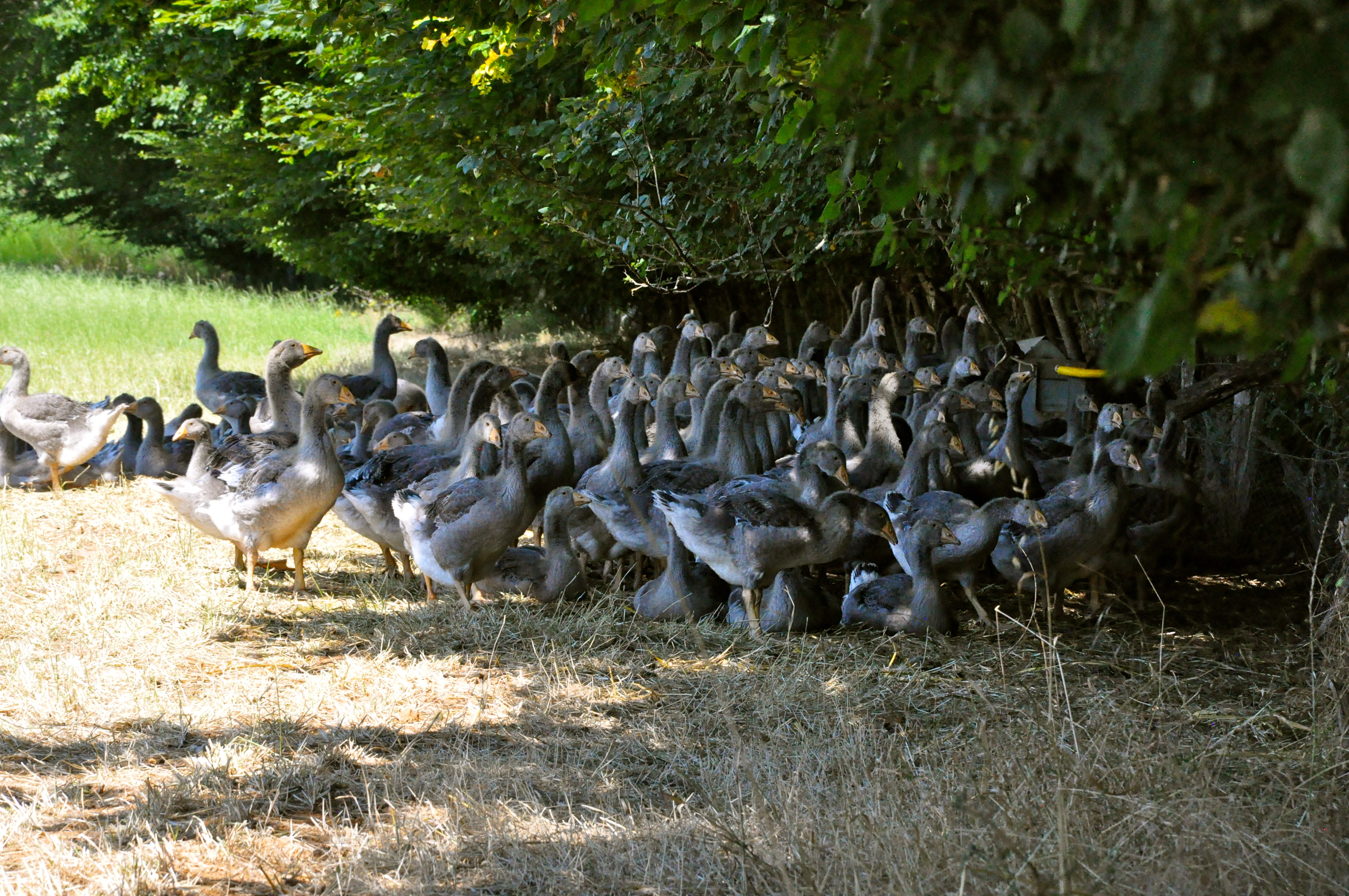
After our feast, we checked out the shop.  They had duck and goose everything.   The owners invited us to check out their geese.

Duck. Duck. Goose!!!!!

We continued onto the cave and had a great experience there.

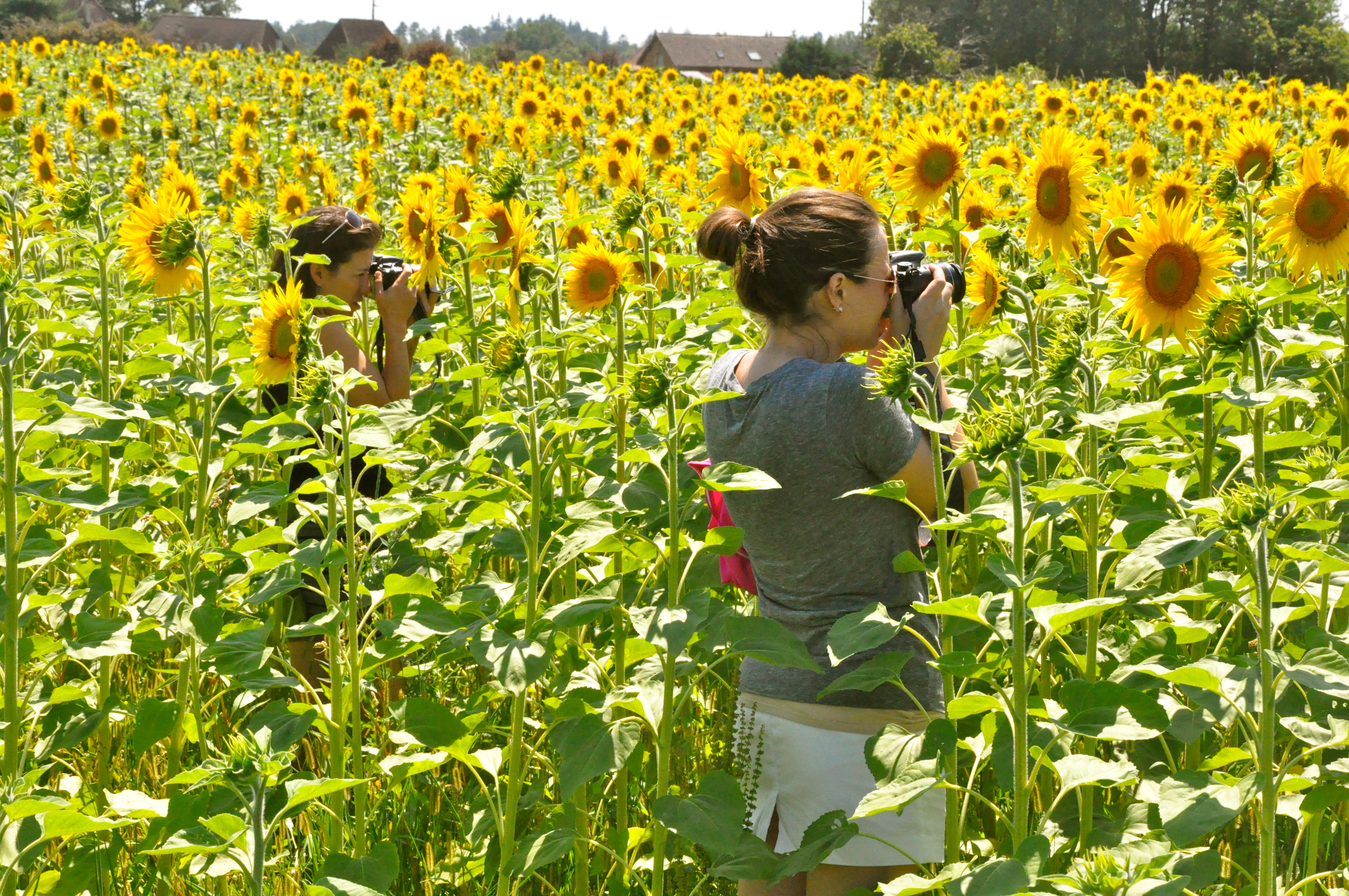
After, as we were driving, we saw magnificent sunflower fields.  They were just turning to their peak, way after Geneva’s had long gone dreary.

A & S in the sunflowers

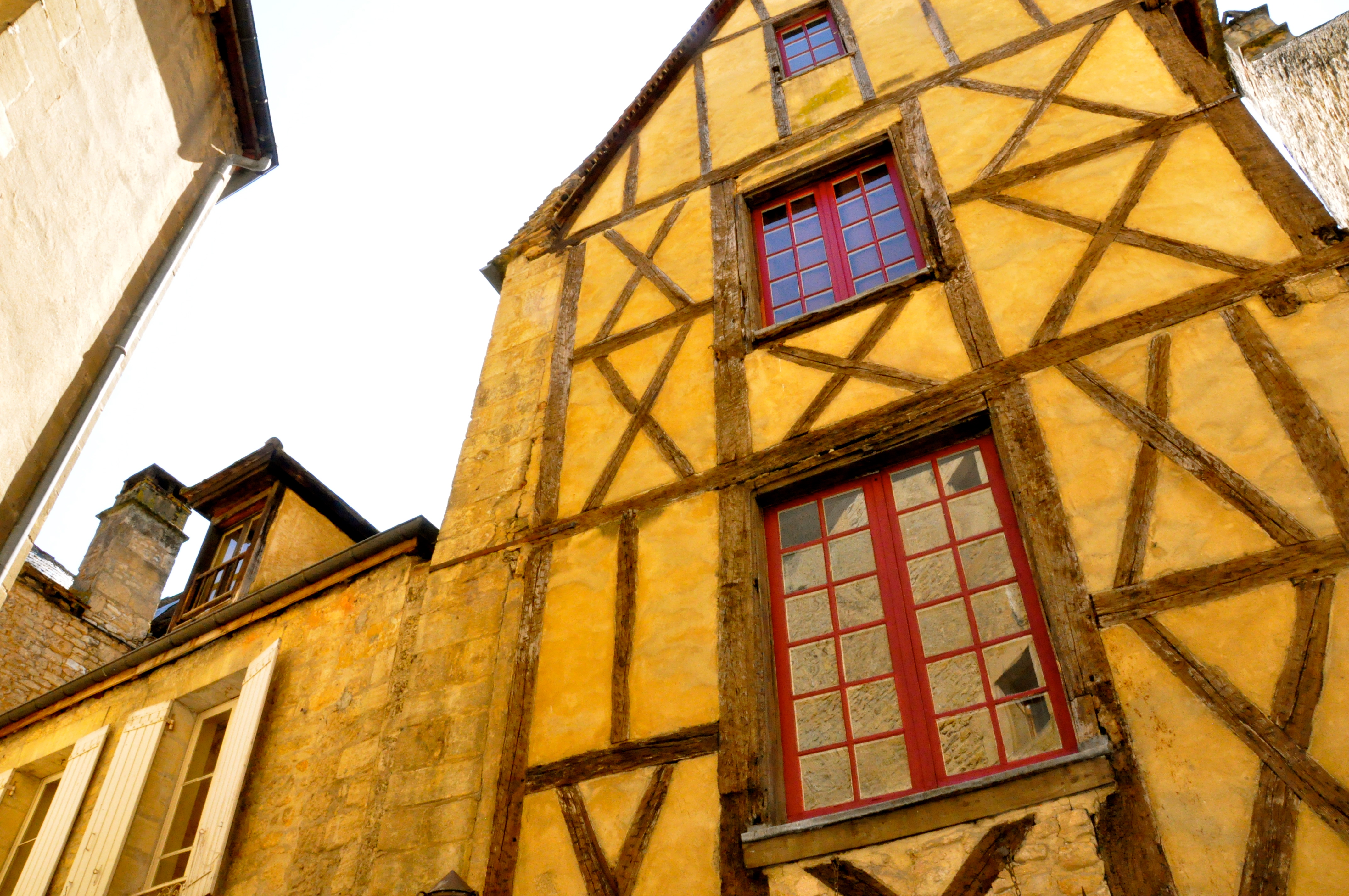
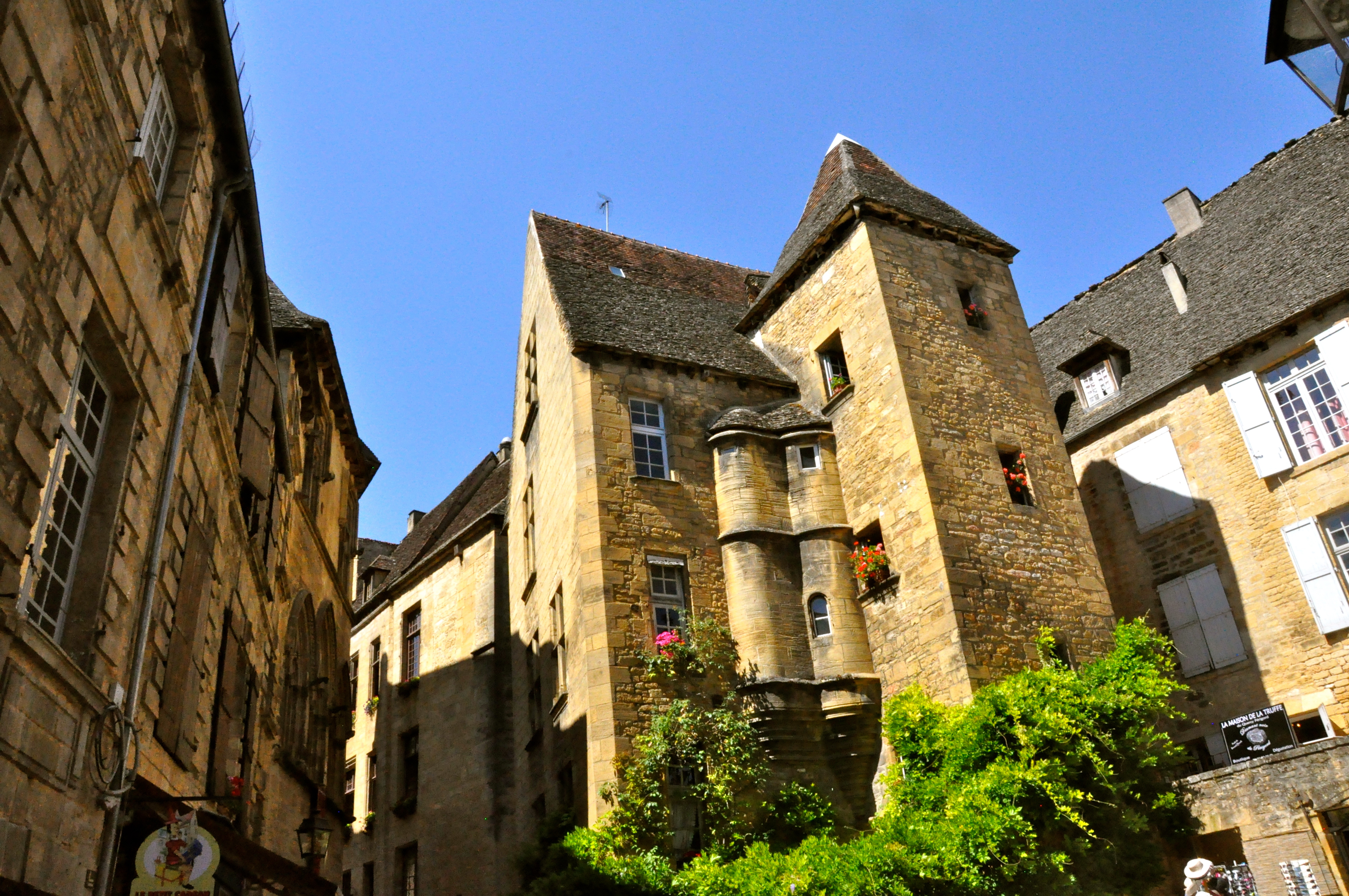
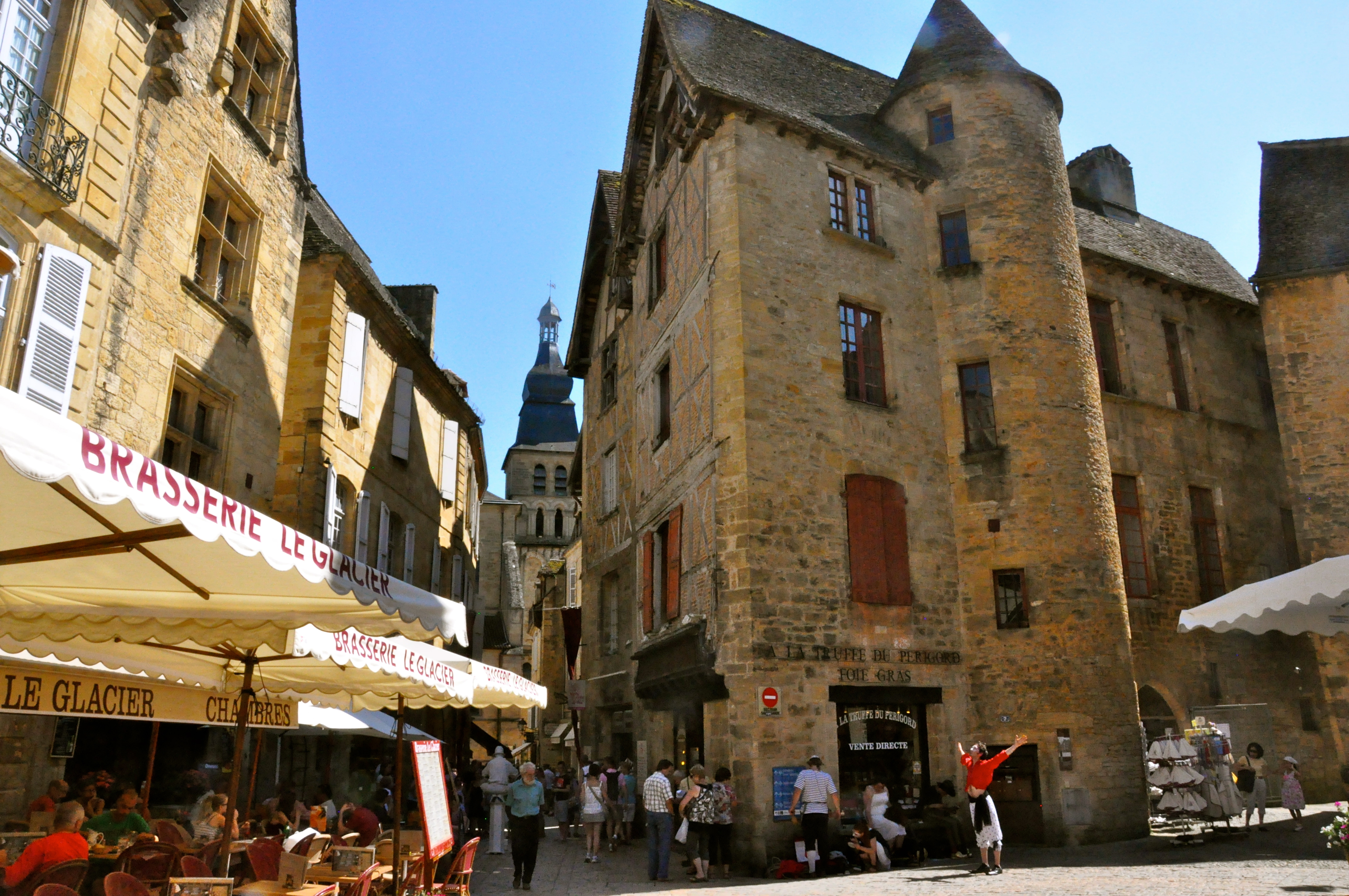
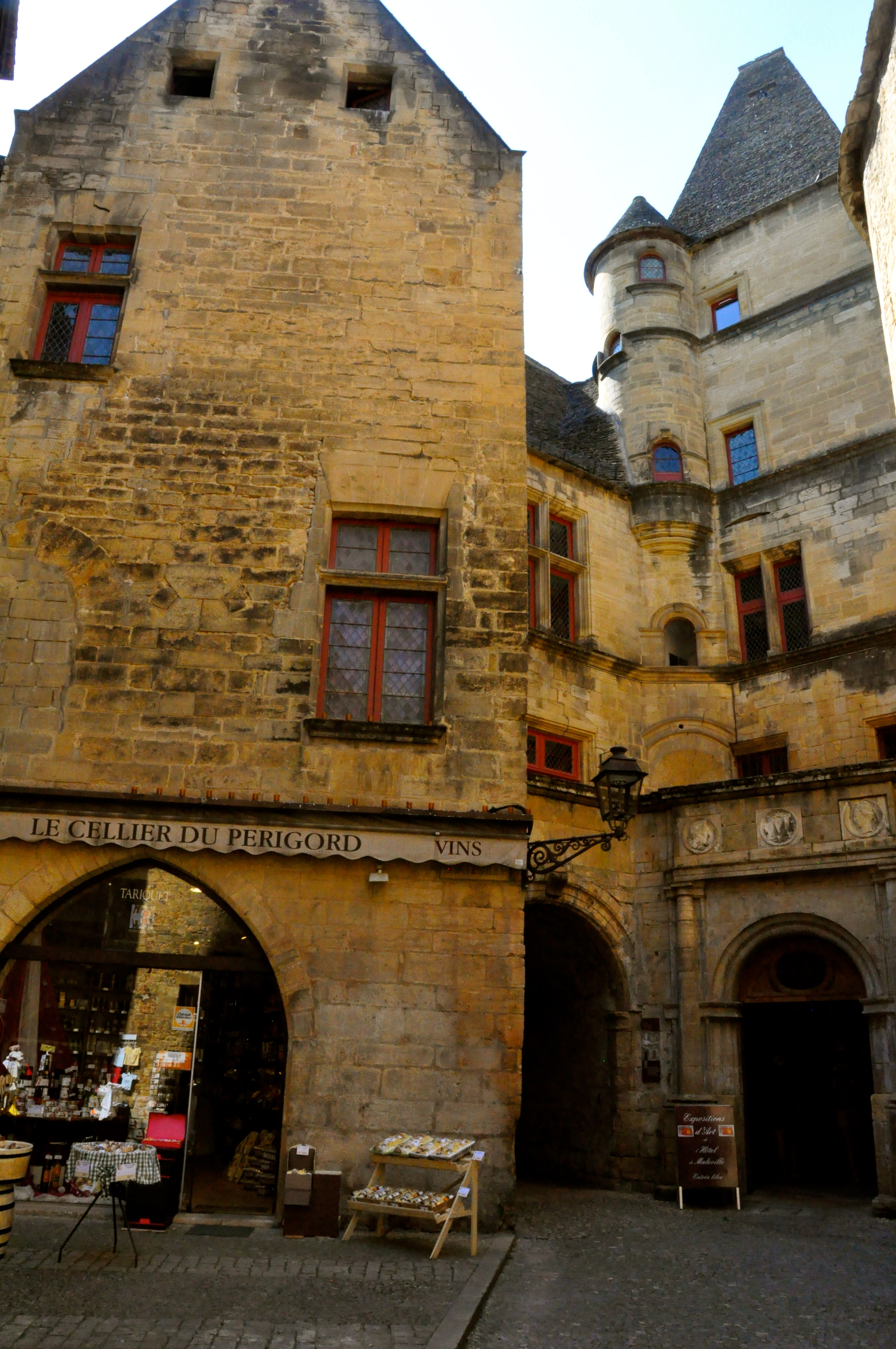
We stopped upon little Sarlat-la-Canéda, also in Dordogne valley.  It is on the UNESCO “maybe” list, due to the excellent form of its medieval architecture.    Goose and duck souvenirs were everywhere….not to mention a lot of the canned and jarred stuff.  Ick.

Sarlat’s architecure – love this style.

Cute streets

We hit the road for a little while, realizing it was time for dinner soon.  S spotted a hilltop town very close to an exit.  Since French roads only have exits every 30 km or so, we took advantage and pulled off.

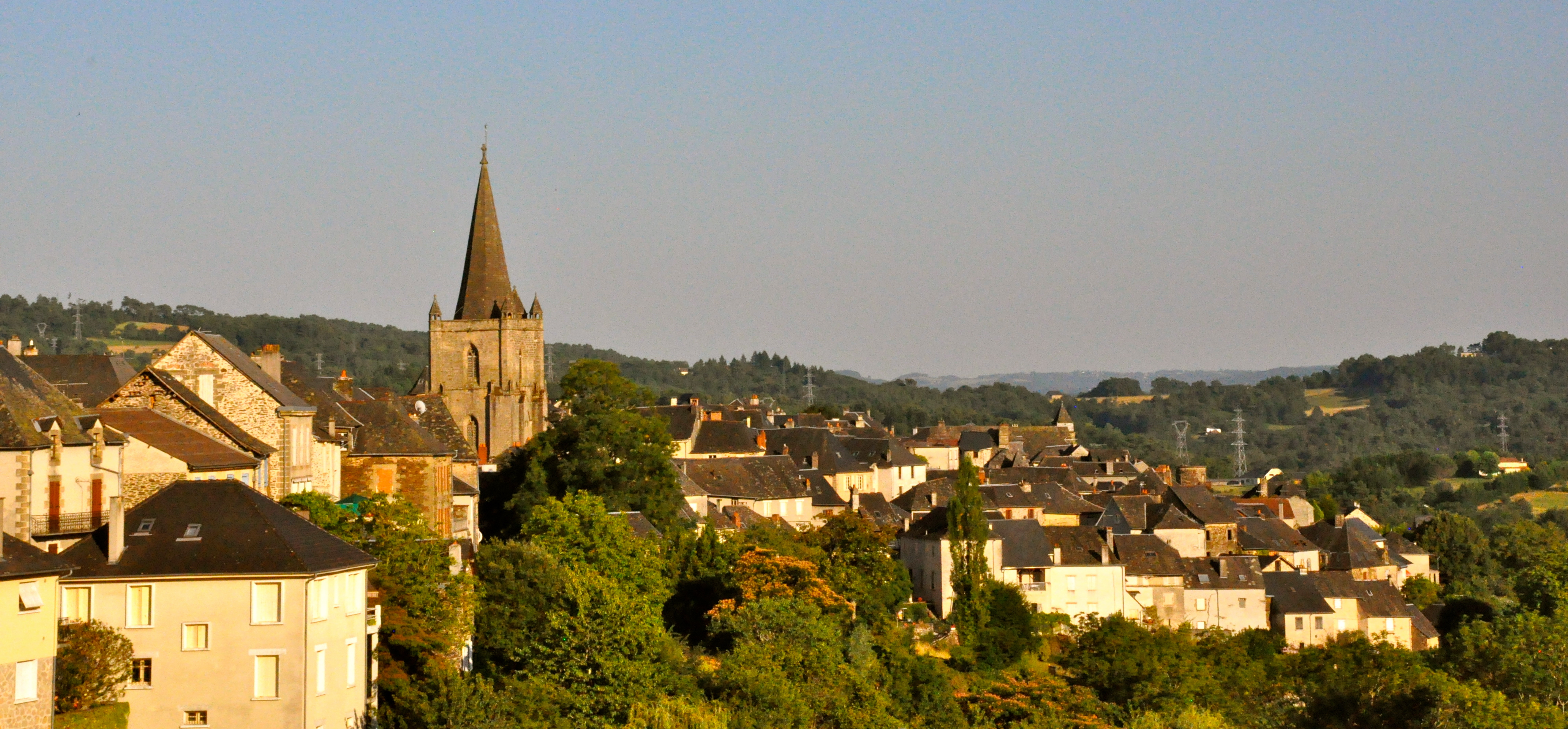
Donzenac, France

Streets of Donzenac

We enjoyed a great pizza there before heading back.

I love France…each trip there are so many different discoveries.  But, I am afraid I am getting “adorable” town burnout.   Is this awful?

Gratitude Friday: The oldest thing I’ve ever seen

This Friday, I wanted to dedicate gratitude Friday to seeing “the oldest thing I’ve ever seen”.

We stopped in Dordogne Valley of France on the way home from Bordeaux.   Dordogne is known for being a very beautiful area of France, with lovely buildings banking the Dordogne river.

Image courtesy of French property

The Dordogne is also known for being the home of many one-of-a-kind prehistoric caves.We decided to visit Rouffignac Cave, which included drawings that were over 15,000 years old.

We arrived to the site at 11:50.  They closed for lunch from noon until 2pm.  It is France, after all. The fellow warned me I might want to come back early to get in line, however.

There was talk that maybe we should hit another cave instead. However, we researched and found that most other caves either required advance reservations or were also closed at lunch.  We were so remote that it would take awhile to get to another location.

After a sandwich pit stop, we came back at 1pm.  There were already 30 people there.  At 1:30pm, a line had started to queue which we quickly jumped into.  There were at least 100 people in line when the place re-opened at 2pm.  We luckily got into the first tour.

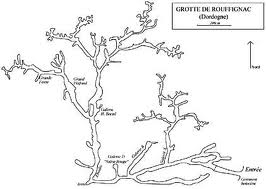
We boarded a mini train and started our journey.  The cave continues for over 10km, but our journey kept us at the first kilometer, where most of the drawings were.  Nowadays, you have to go on train and no photography is allowed.  This is because they discovered visitors were having a bad affect on the preservation of the artwork located in the cave.

Image, courtesy of donsmaps.com

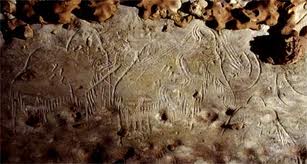
One of the first things we saw were mammoth etchings.  They were made with a sharp object, and carved into the cave wall just below the ceiling and rock nodules covering the cave ceiling.

Mammoth etching image courtesy of donsmaps.com

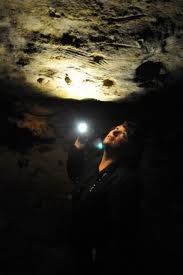
We weren’t allowed to take photographs, but our guide showed us with a special light the outlines.  Sort of like this:

Image courtesy of joh.cam.ac.uk

Our train continued and then we were able to see the three rhino frieze.   It was breathtaking.

Image Courtesy of Flickr photosteam of Gleinster1936

Following was a 10 mammoth freeze, where 5 mammoths were standing off vs. another 5 mammoths.  Most of the artwork in nearby caves doesn’t include mammoths.  This is why Rouffignac is particularly special due to the inclusion of this long-instinct species.

More mammoths, image courtesy of nature.com

Lastly, they took us into the great room, where there were dozens of images overlapping, mammoths, horses, rhinos.  The room was shallow, but they hollowed the floor to allow for tourists to stand underneath.

Ceiling image courtesy of donsmaps.com

The guide pointed out that cave drawings weren’t discovered until the late 1800’s.   And details on mammoths weren’t fully understood until the 1950’s when excavations found the remains in Siberia, thus helping develop the scientific understanding.  These drawings had details on the animals someone couldn’t possibly know who wasn’t living at the time.  So, they were able to prove and data the history of these magnificent drawings.

I still am in awe that I was able to see that in my lifetime.  What a cool experience.  This area isn’t that accessible, so it truly is because of our living arrangement in relatively nearby Geneva that we were able to get there.  Also, a big thanks to Schwingen in Switzerland for driving us.  It was truly magnificent, and I am thankful to have seen it.

Bon weekend, everyone!

Big Bordeaux: Château tastings in Médoc

Médoc was the second region we explored on the Bordeaux wine adventure.

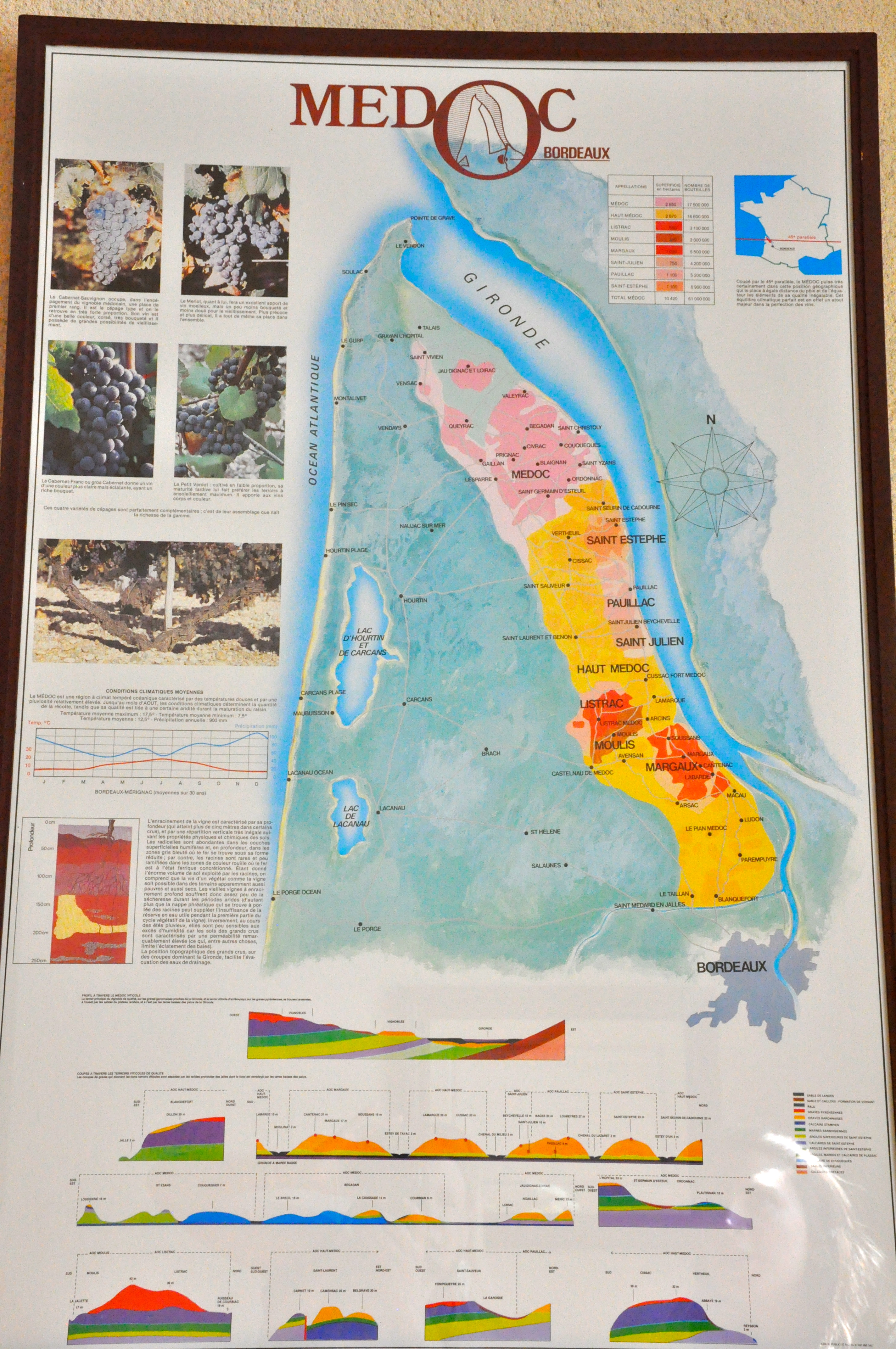
Map of Médoc / Bordeaux wine regions

While Saint-Émilion is quaint, Médoc is high brow.

First of all, they have very strict classifications.   You might say, well, Saint Émilion and Burgundy also have classifications.  Well, in Médoc, when the classifications were set in 1855, they have only made one exception.   So, they are very rigidly based on the land.  It doesn’t account for changes to the land, to the owner, or to the wine-maker.

It was set back in 1855 by Exposition Universelle de Paris and was the idea of Napolean III to show off all things France.  He wanted to show superiority of Bordeaux wines, thus upping the great exhibitions of England.

The designations are :

Premier Cru / 1st

Deuxièmes Crus / 2nd

Troisièmes Crus / 3rd

Quatrièmes Crus / 4th

Cinquièmes Crus /5th

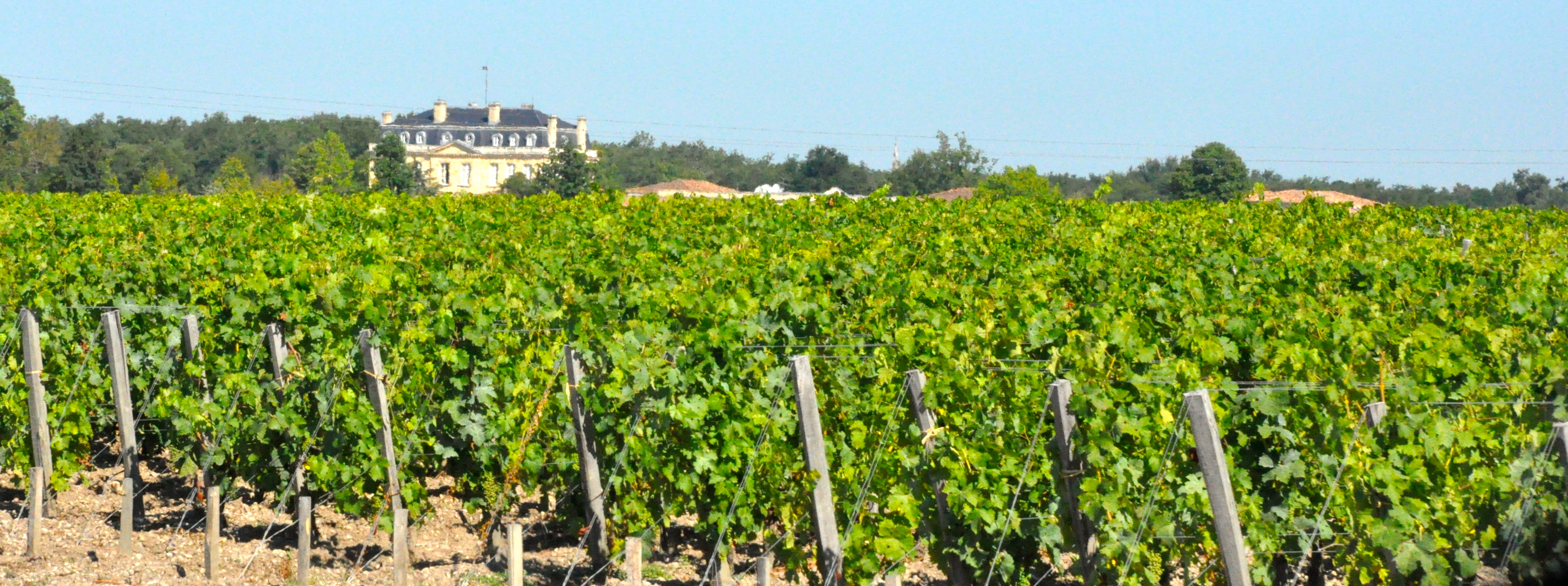
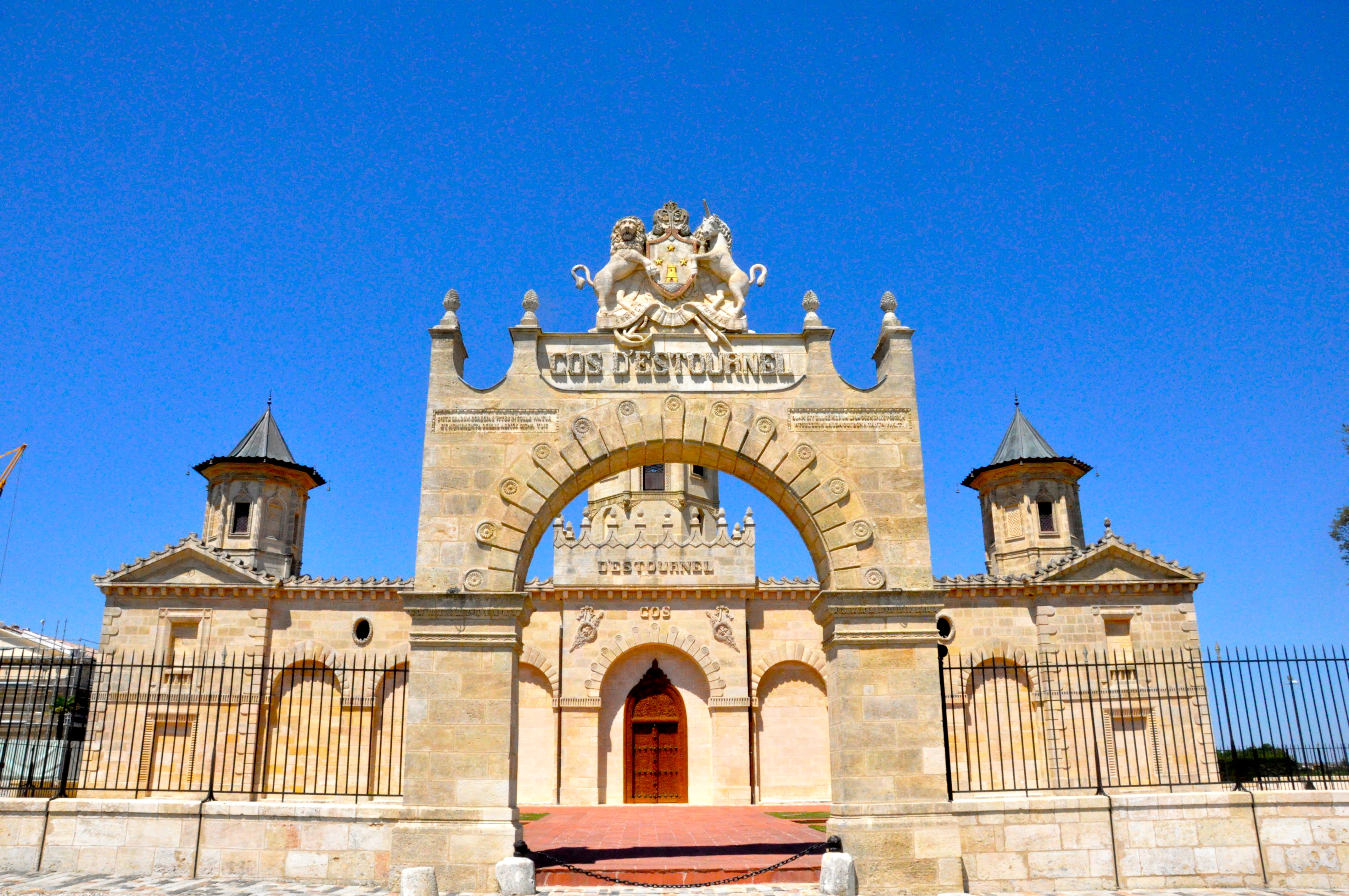
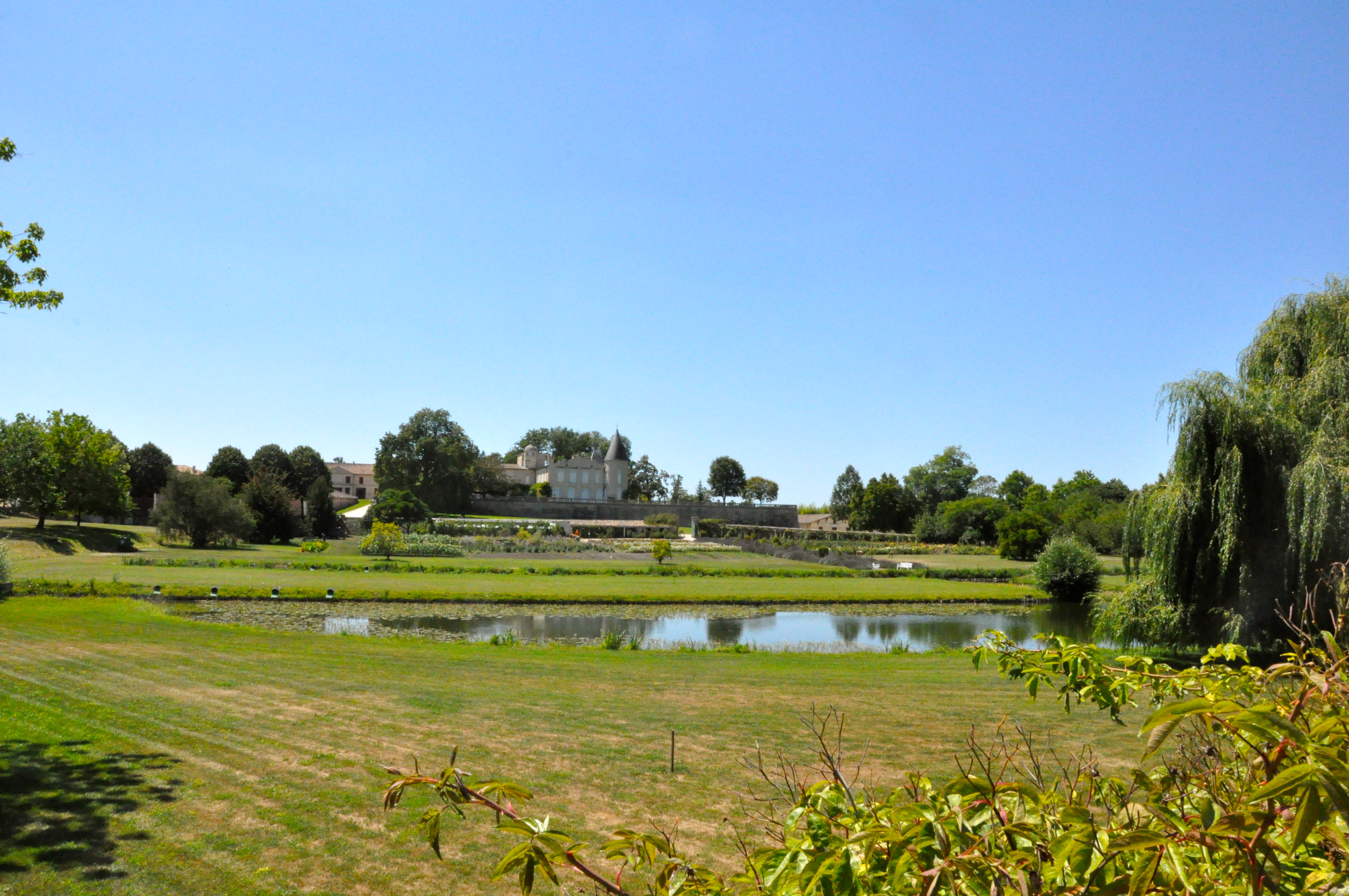
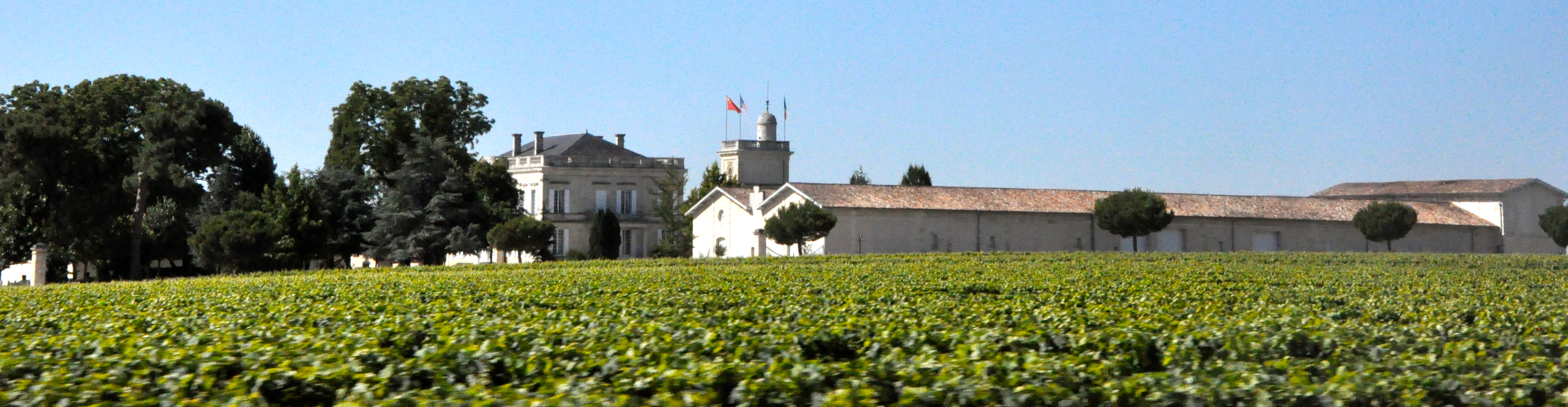
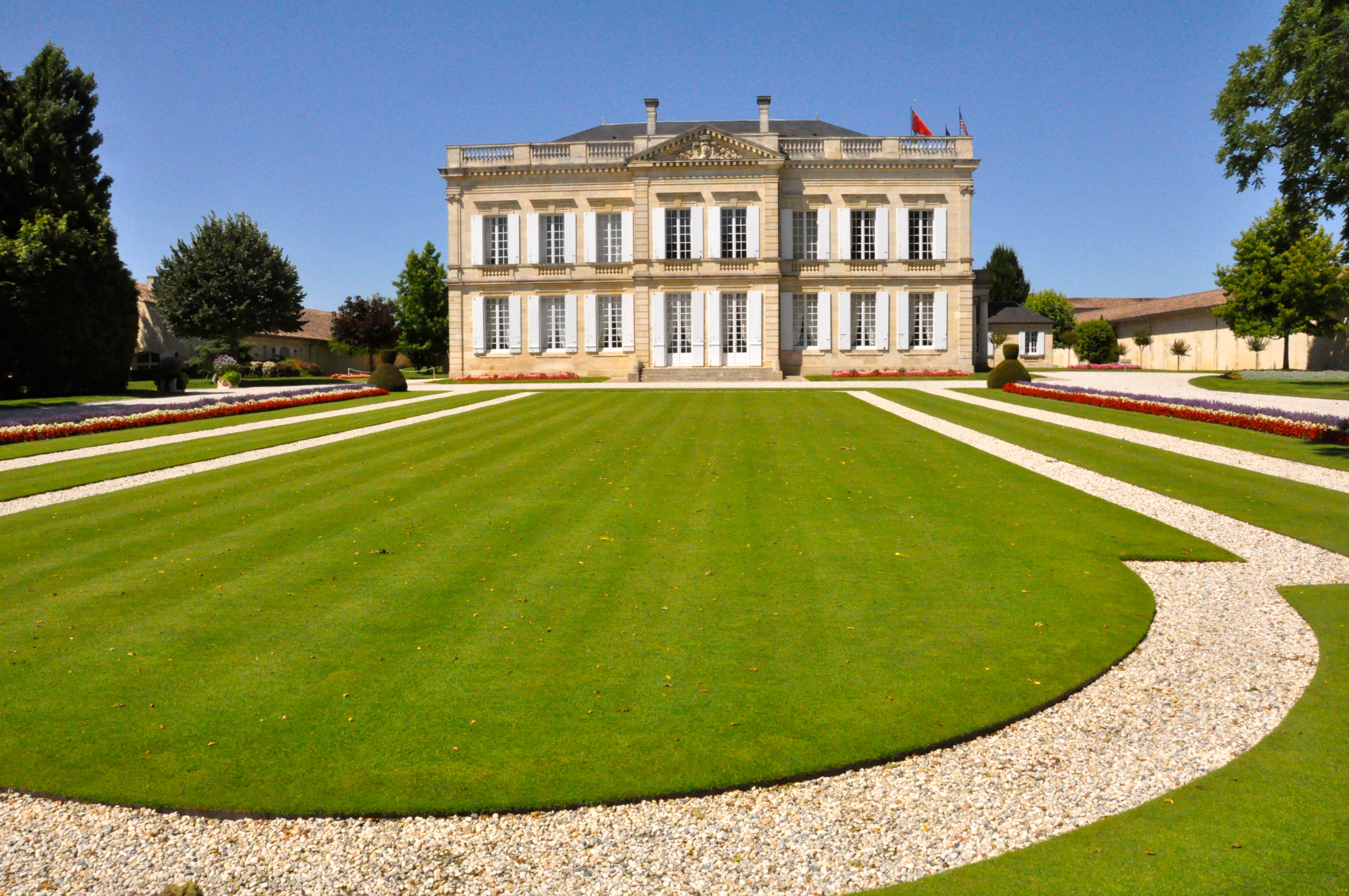
In addition to strict designations, most Médoc wineries are in châteaus, castles.   Just driving around in Médoc, this is the type of winery you see:

Typical landscape in Médoc

Middle Eastern flair

Just a little ole winery

Rothchild estate

We happened to start our Médoc at Château Gruaud-Larose, a deuxieme cru (2nd).

Château # 1 – Gruaud-Larose

The grounds

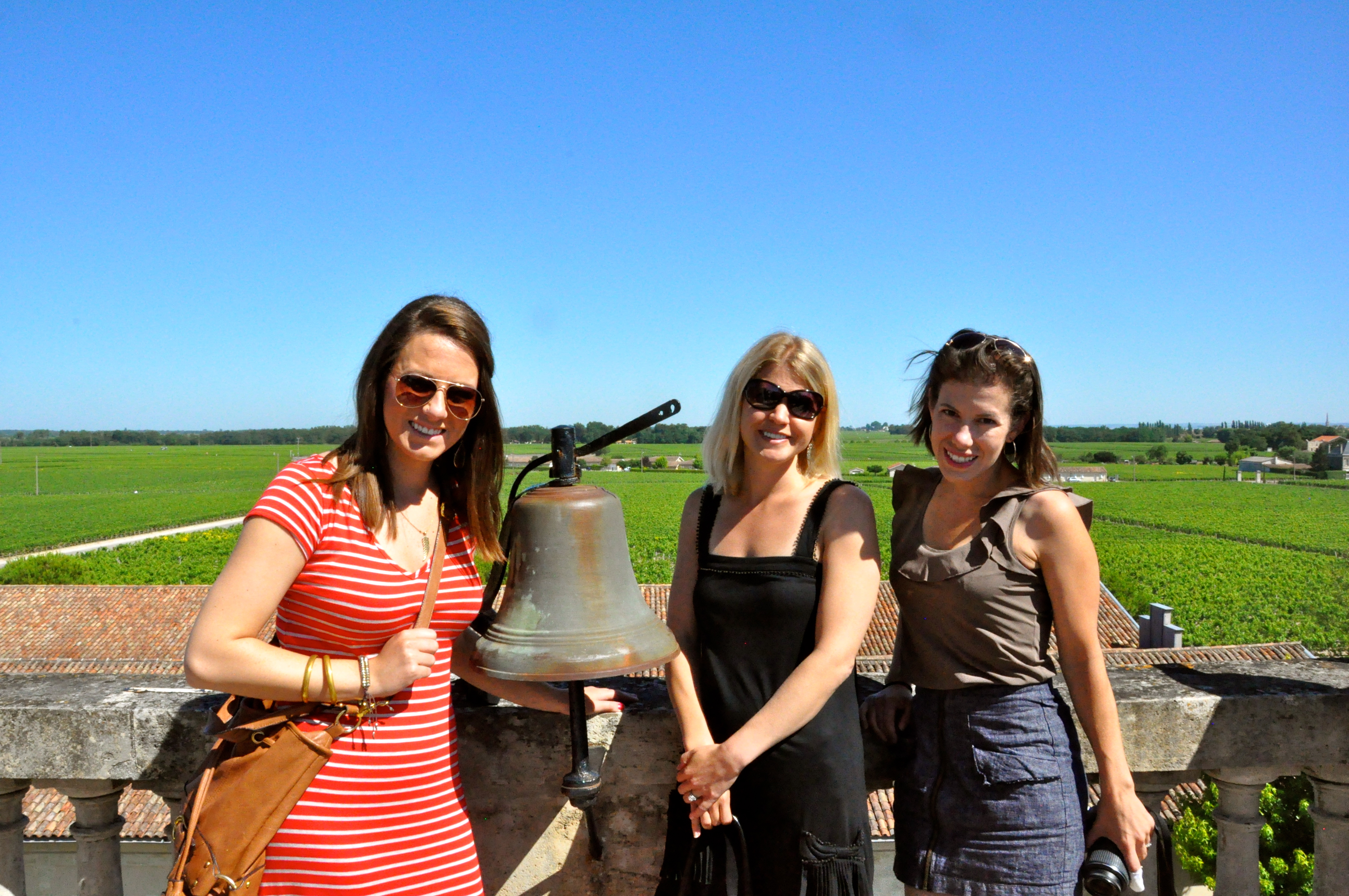
View from the bell tower.

Tempted to ring the bell

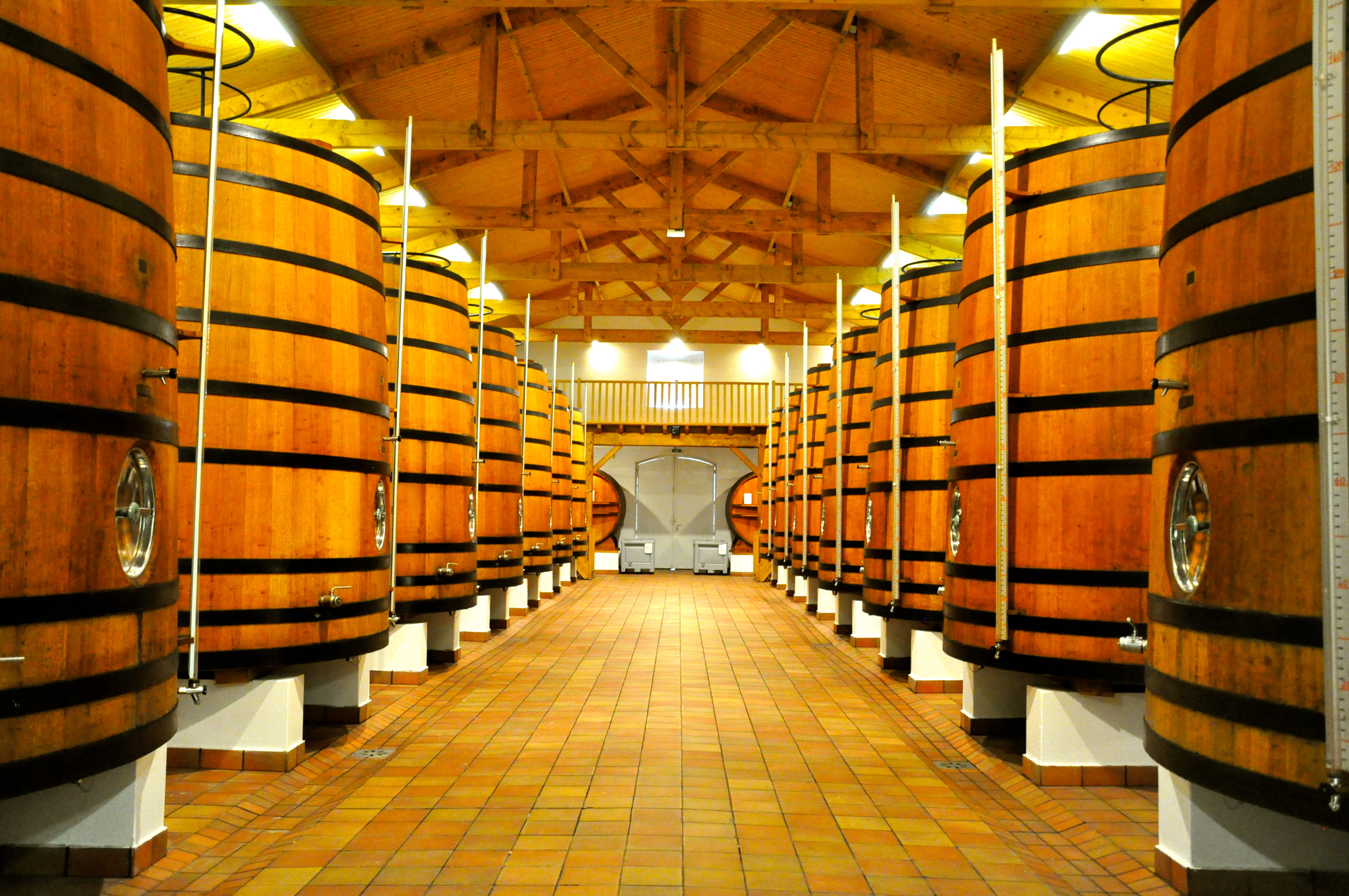
Beautiful wood tanks

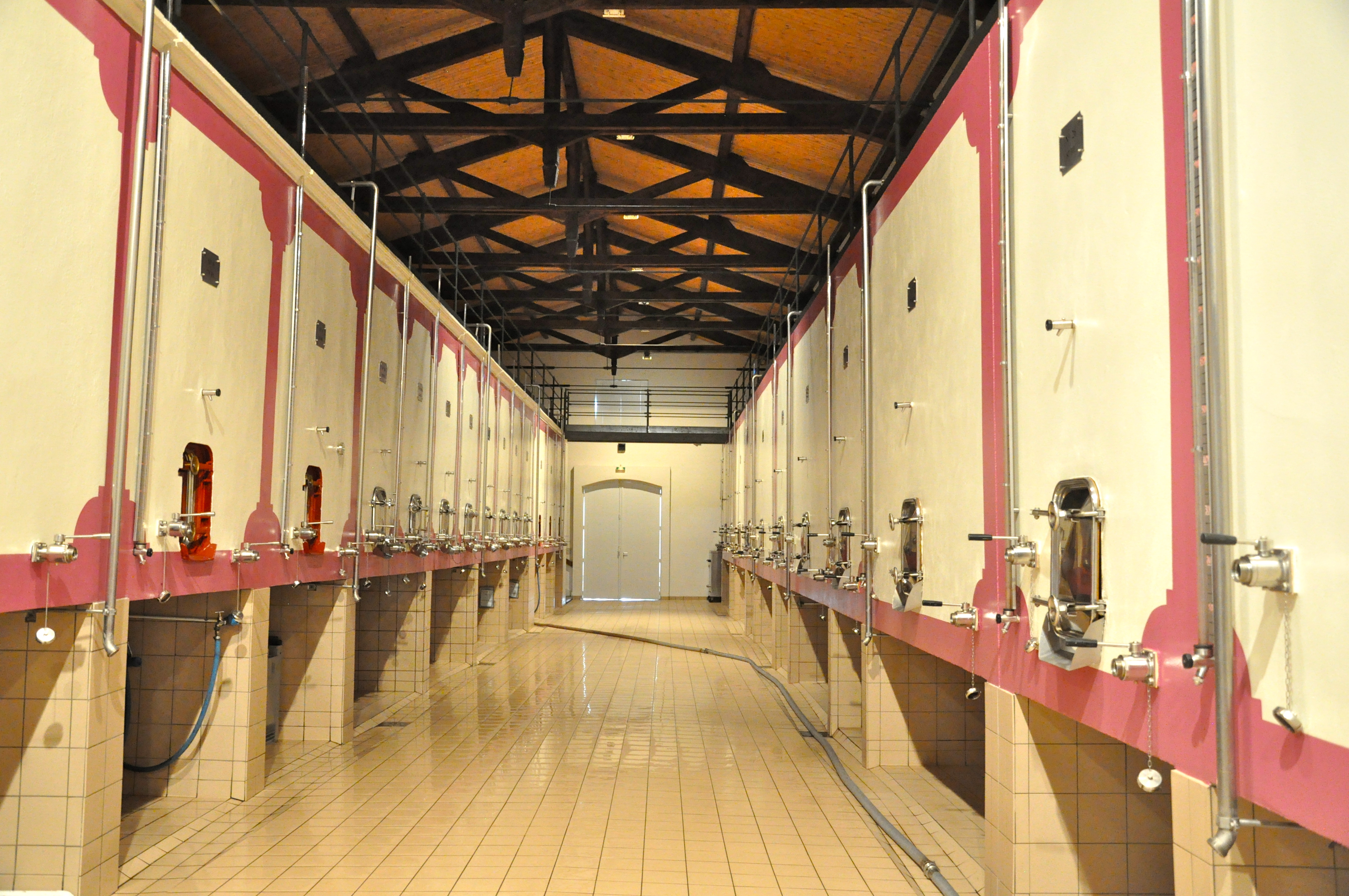
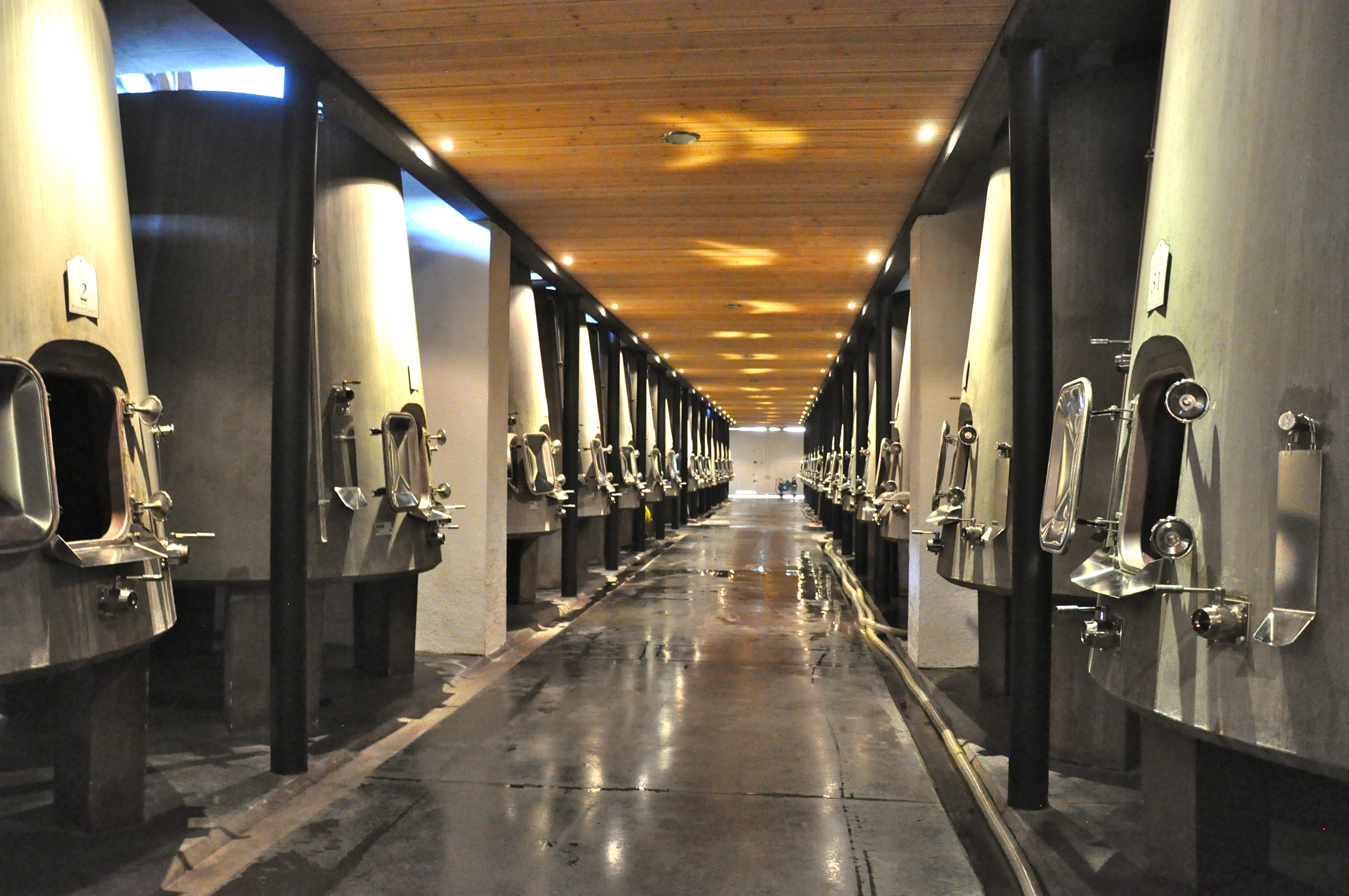
Spotless and immense concrete tanks

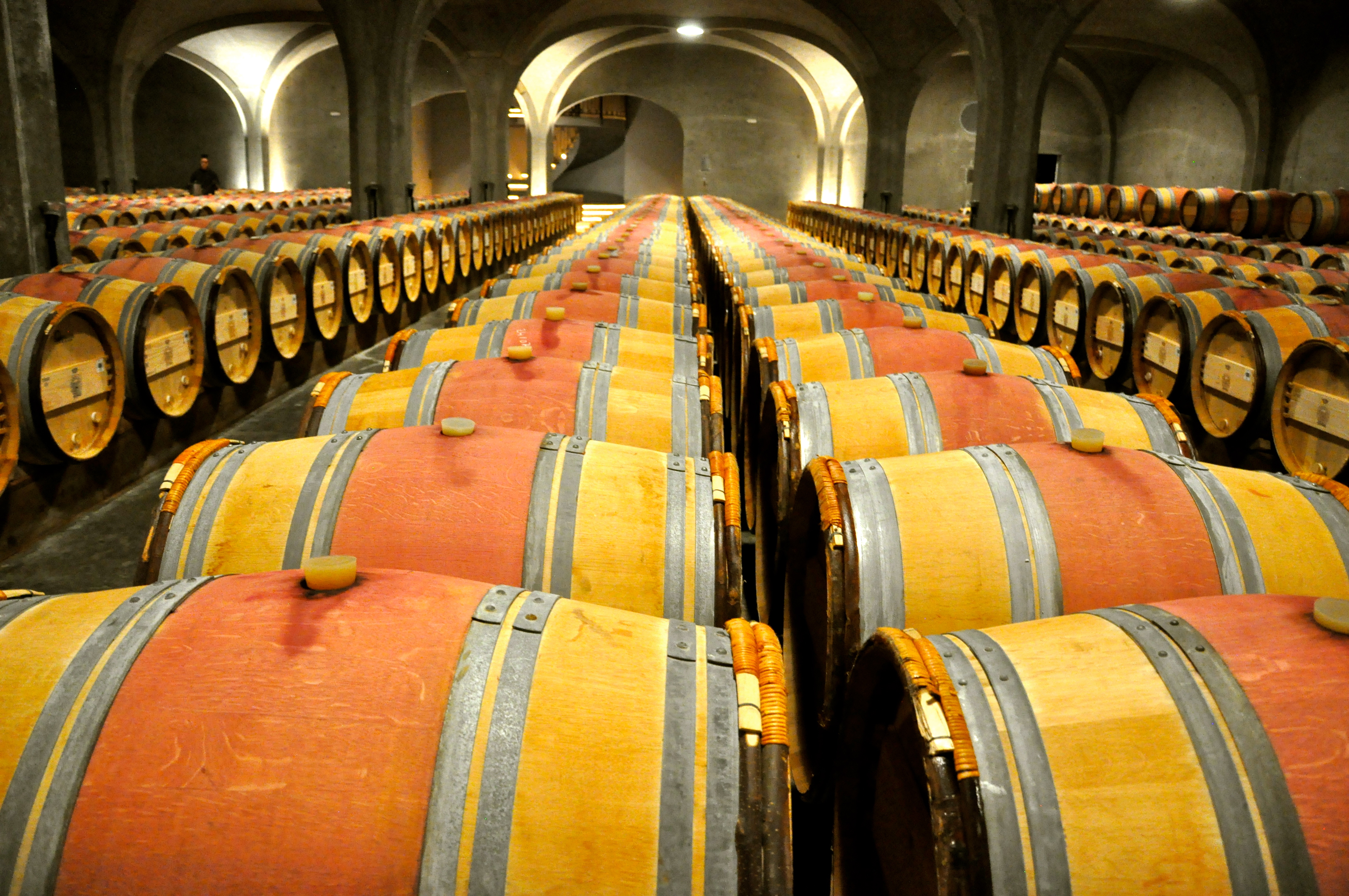
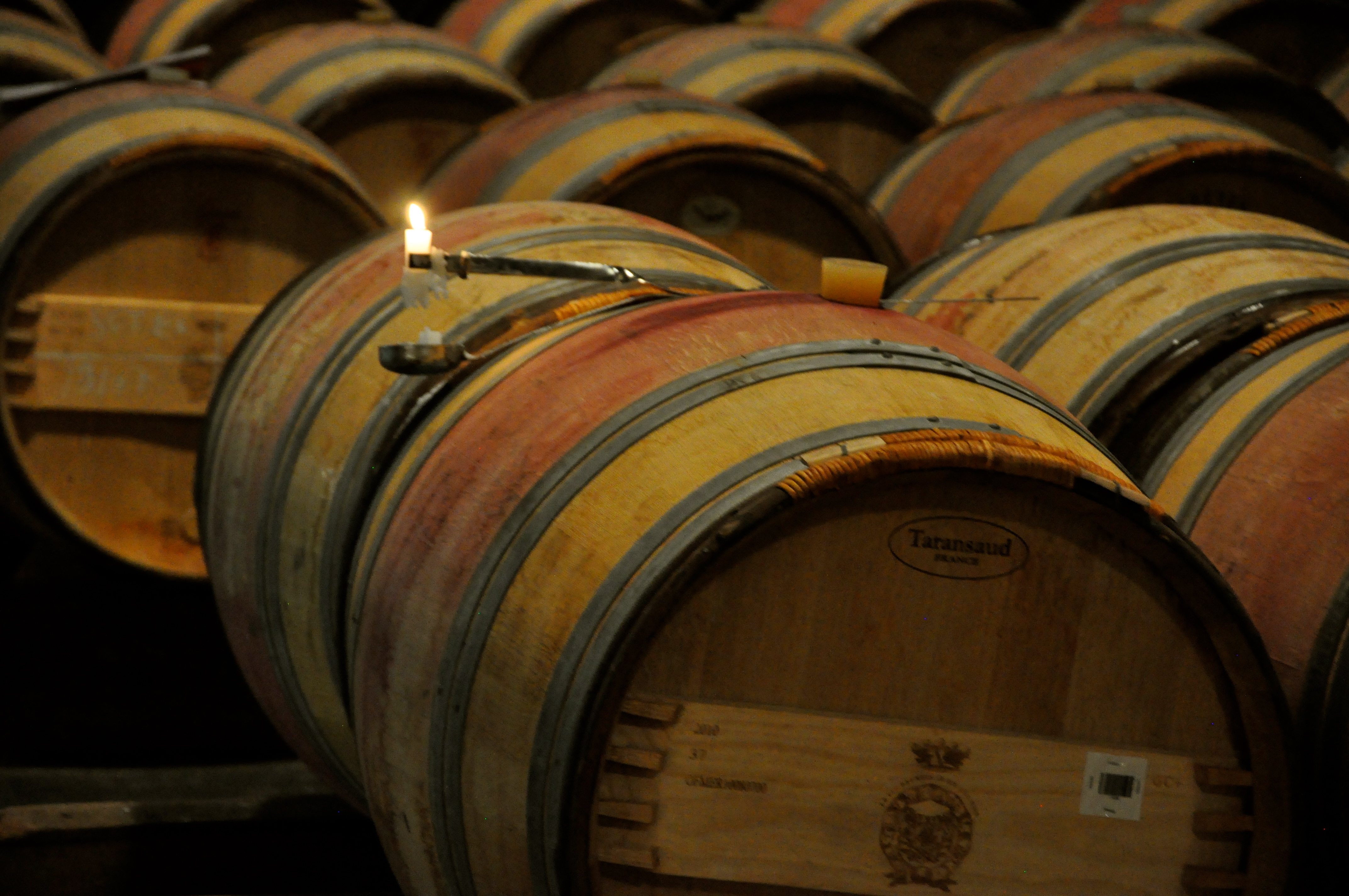
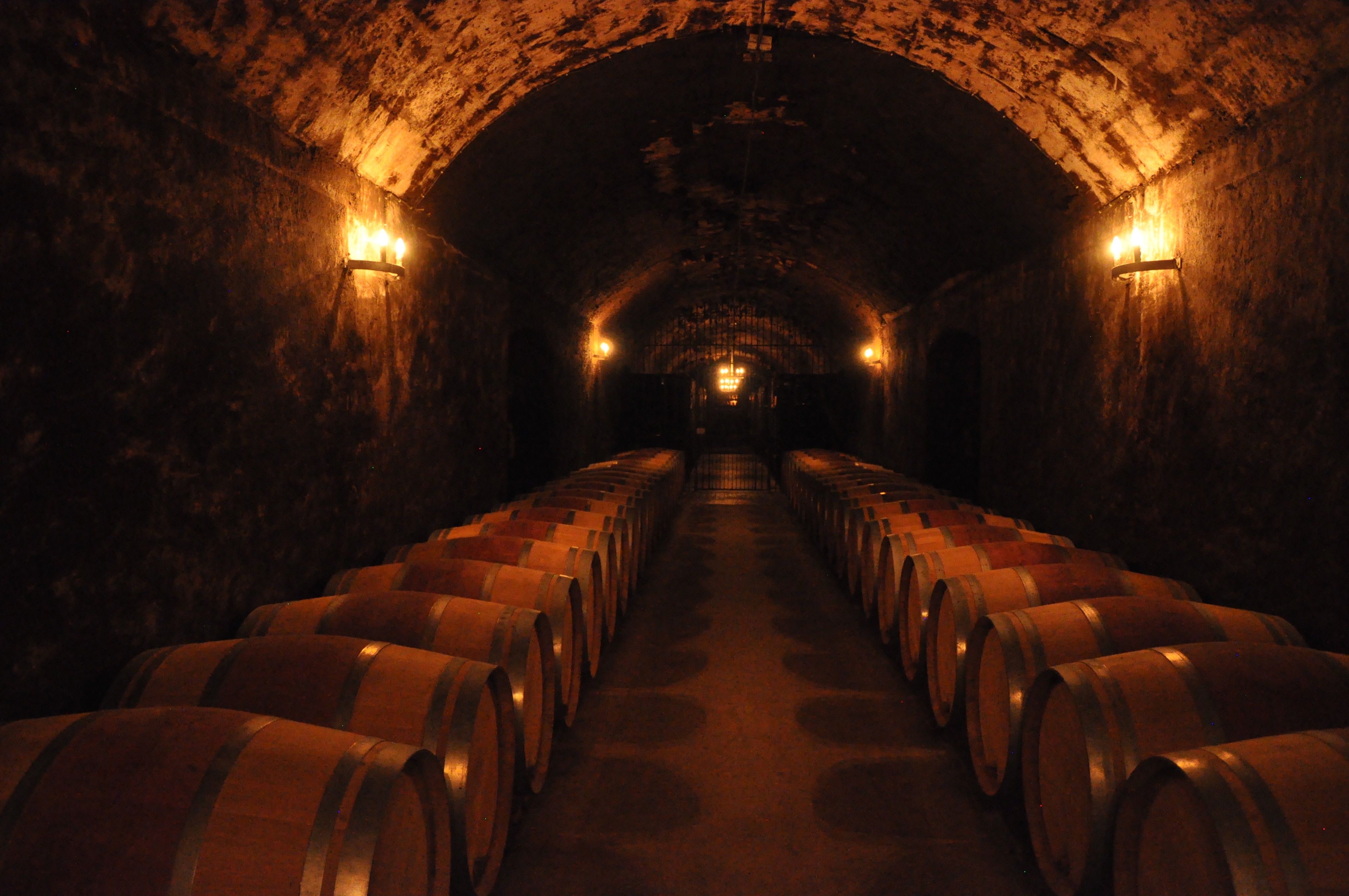
Lines of barrels in the old basement

Old world racking technique

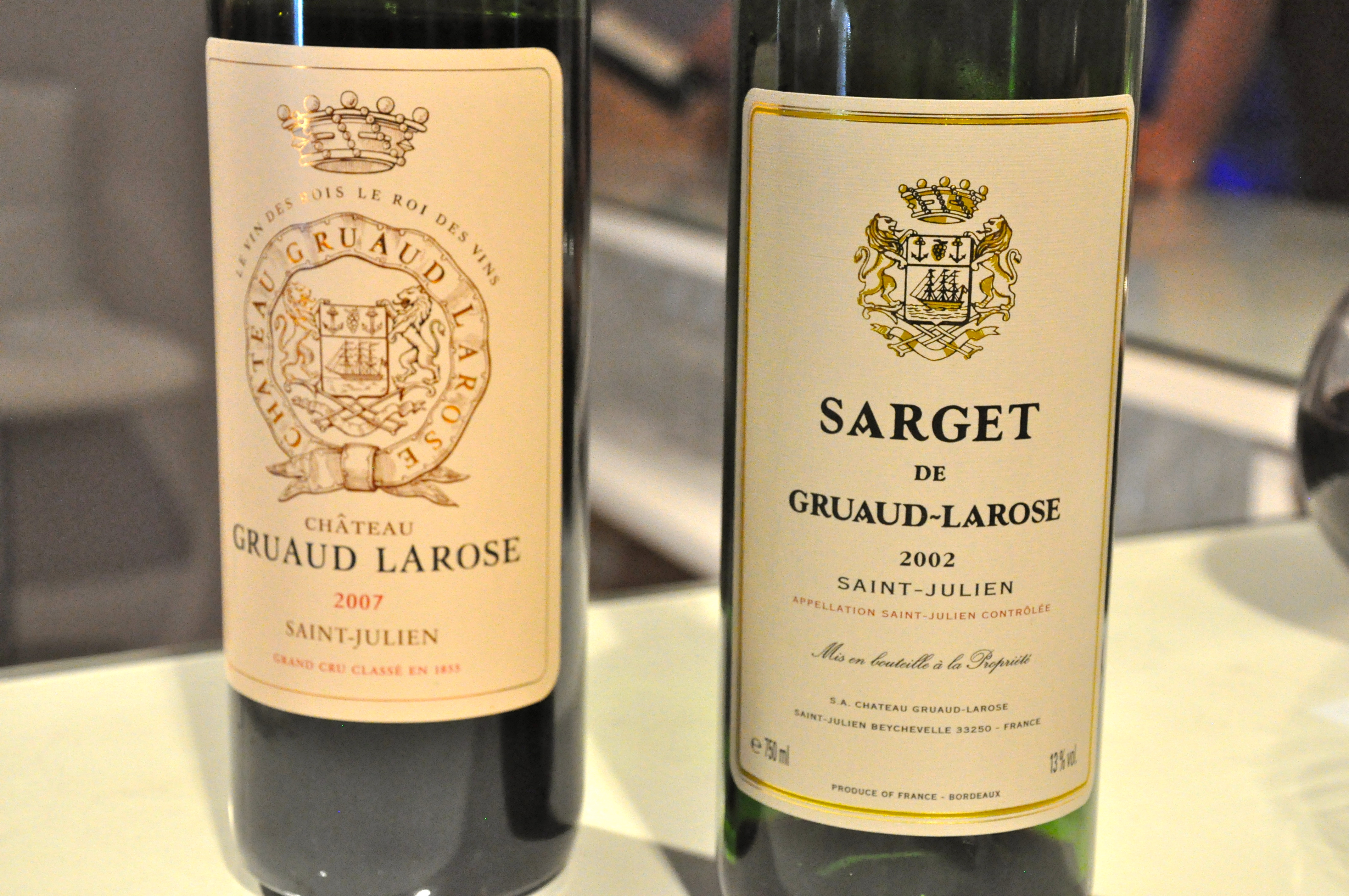
Unlike Saint-Émilion,some of the Médoc have two types of wine.  They call it first and second label.   The first retails for higher. The second makes use of the wine from vines not deemed to be qualified for the first label…maybe younger, or a specific plot not included for some reason.  That way, they can still keep the first label quality and price up, while still using the marketing benefit of their name on a less expensive bottle.

Our tasting. These bottles retail for about 100 euros and 80 euros each. We didn’t buy any.

When we were tasting, our guide mentioned that she recently had a Russian client who bought a 1200 euro bottle, just to taste.   I would guess she was pretty disappointed she got us that day.

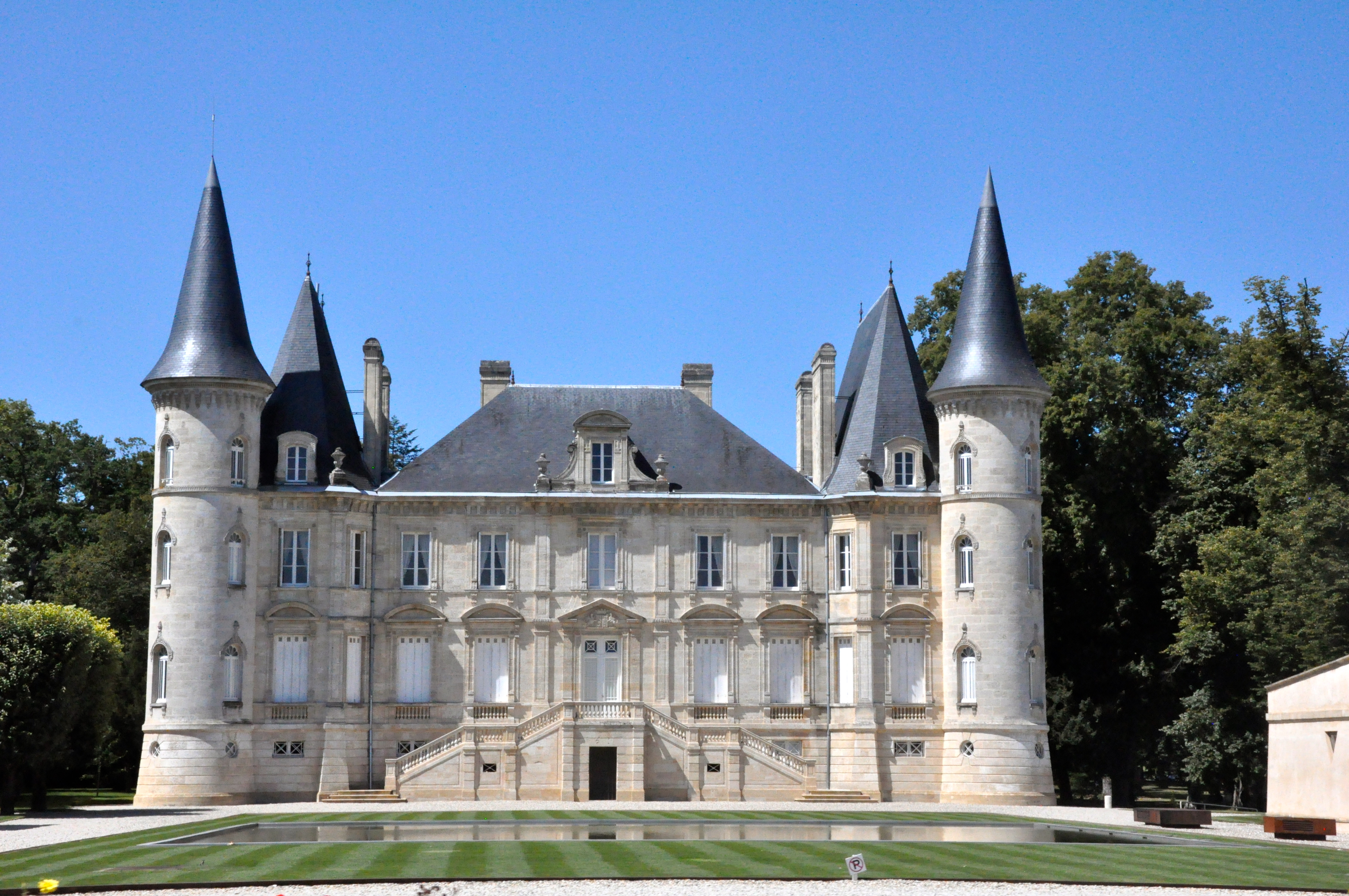
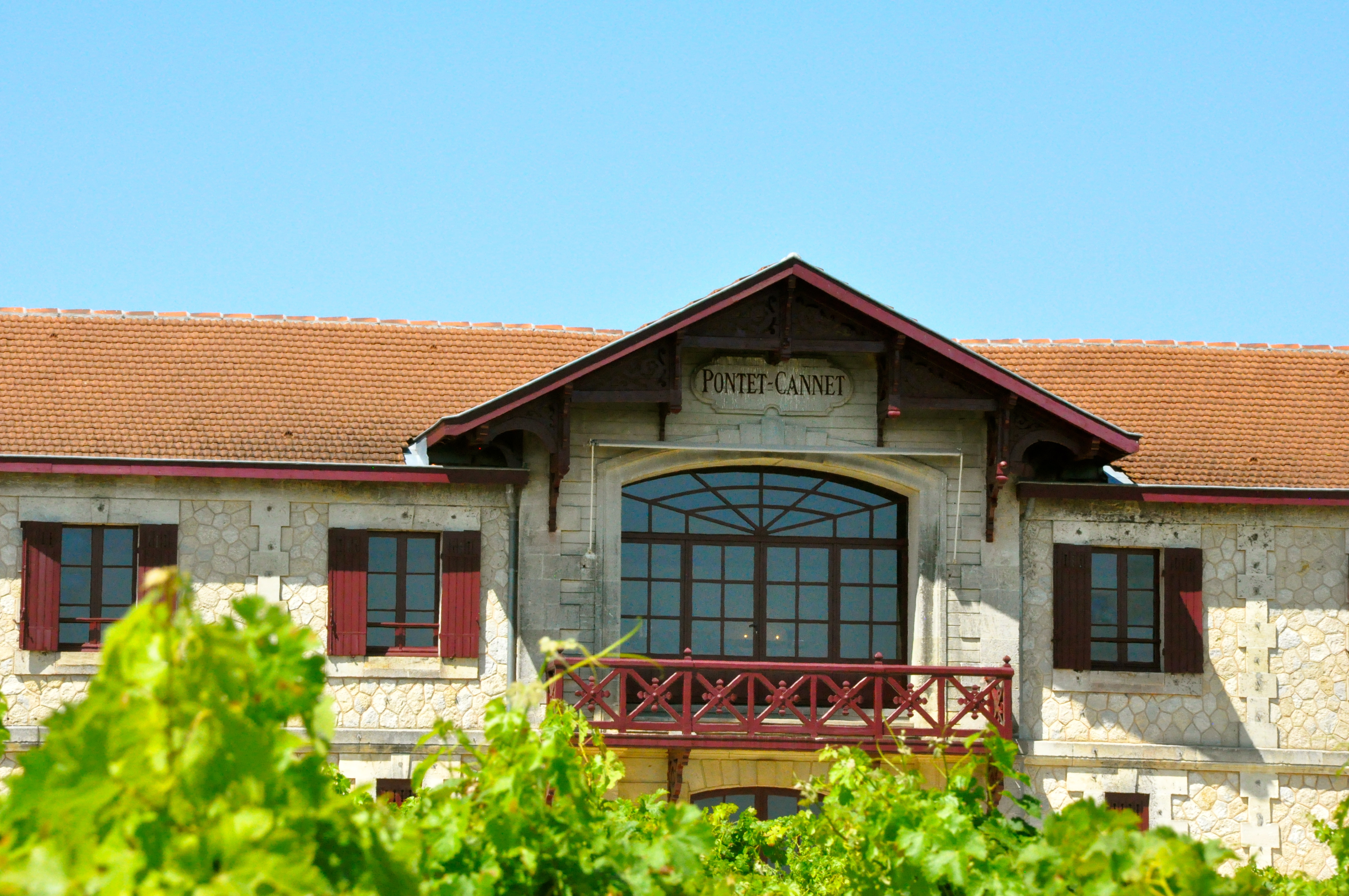
After a charming lunch in Bages, we headed on to our second château, Château Pontet-Canet.  This one is a cinquieme (5th) but is such renowned quality and technique, it prices for higher than deuxieme / 2nd.   It doesn’t make any sense and is a fault of the current classification system.

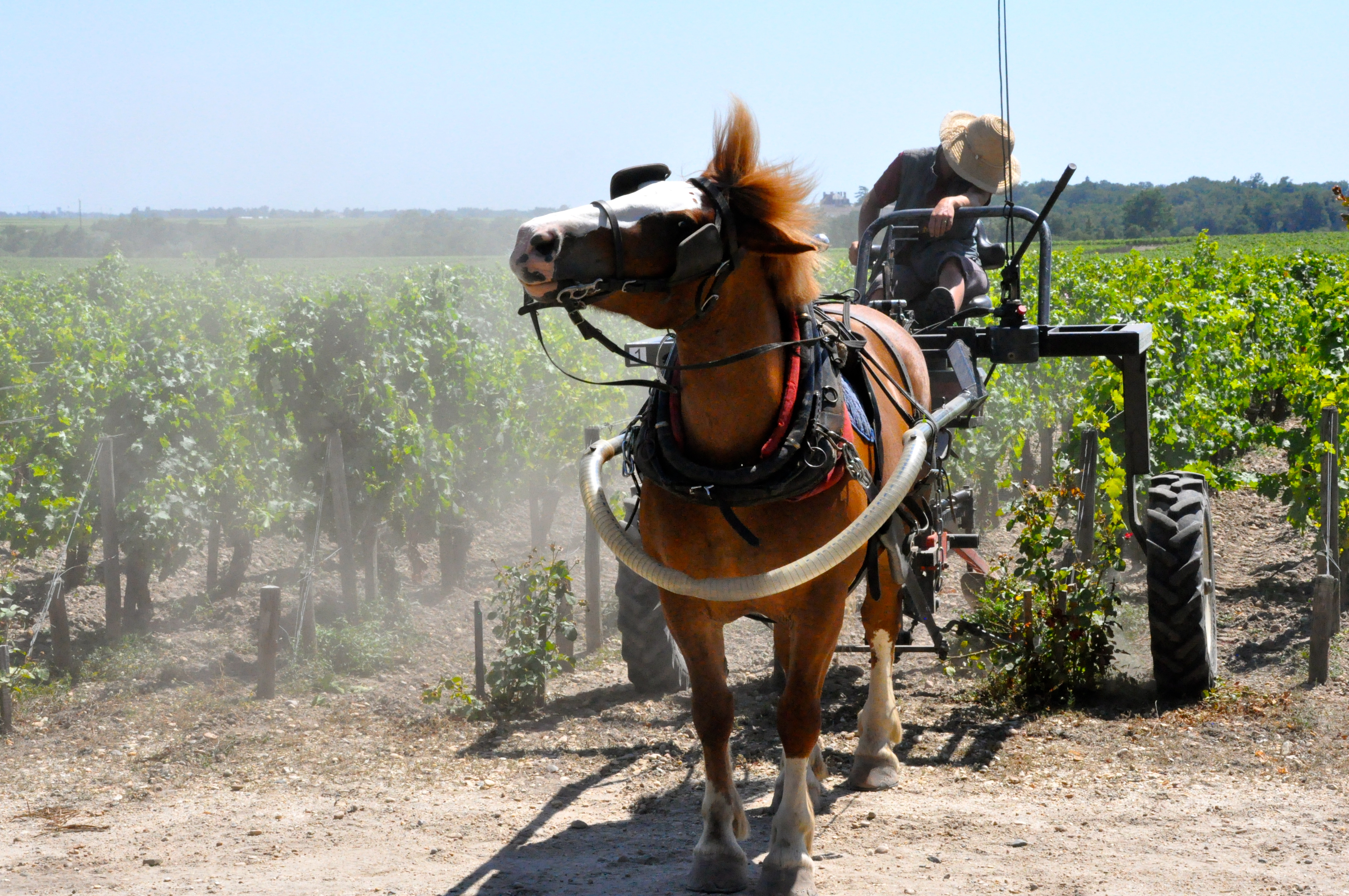
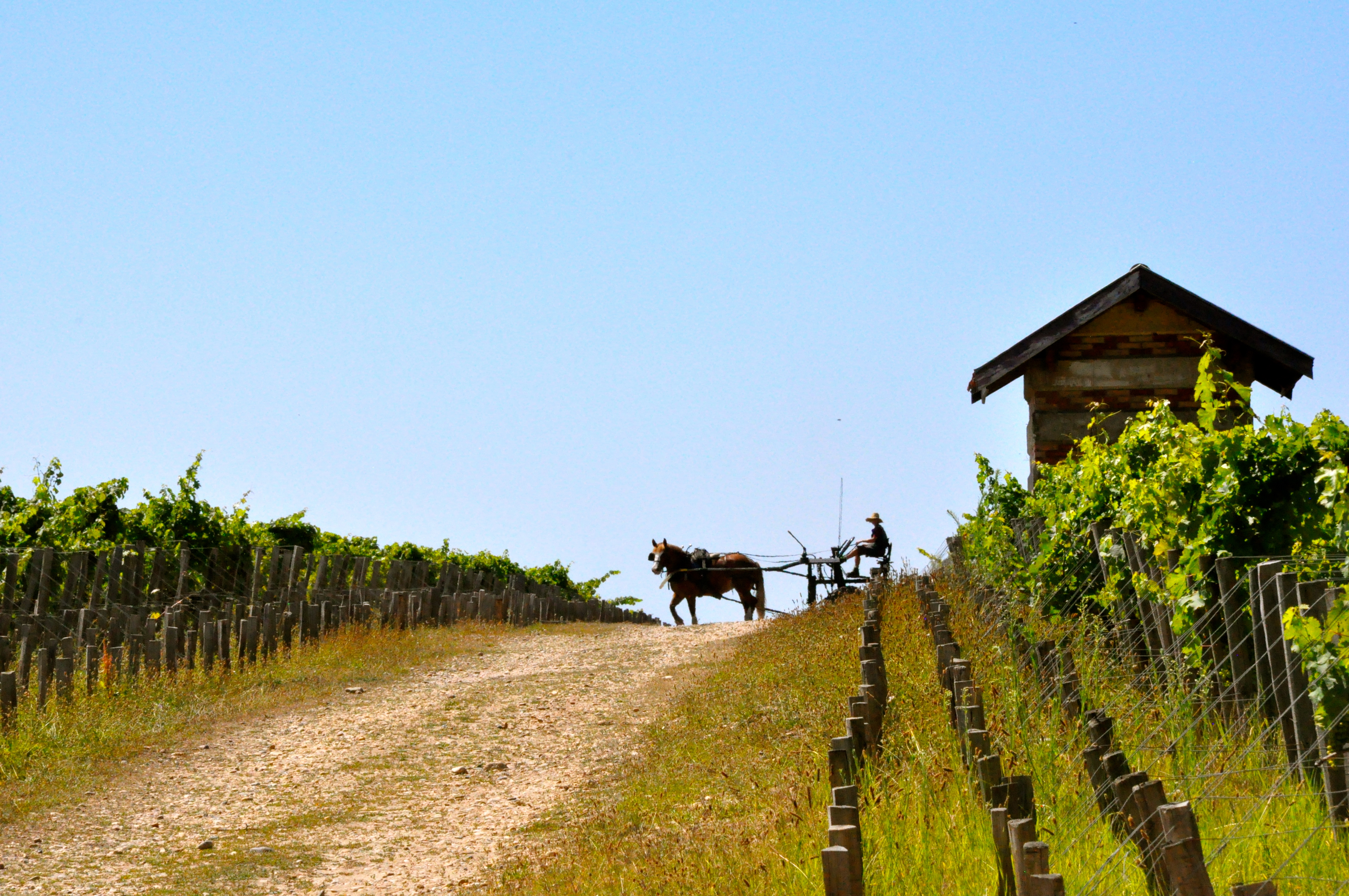
The most interesting thing here was that they were organic & biodynamic.  As such, they had stopped using tractors and other heavy equipment, and had gone back to the technique of horses.    They had created special carts that allowed weeds to be picked out of the vineyards by horse-drawn cart:

Horses hard at work

Taking a break.

I thought that was really neat.   Just like our first chateau, this one boasted immaculate facilities:

Concrete tanks

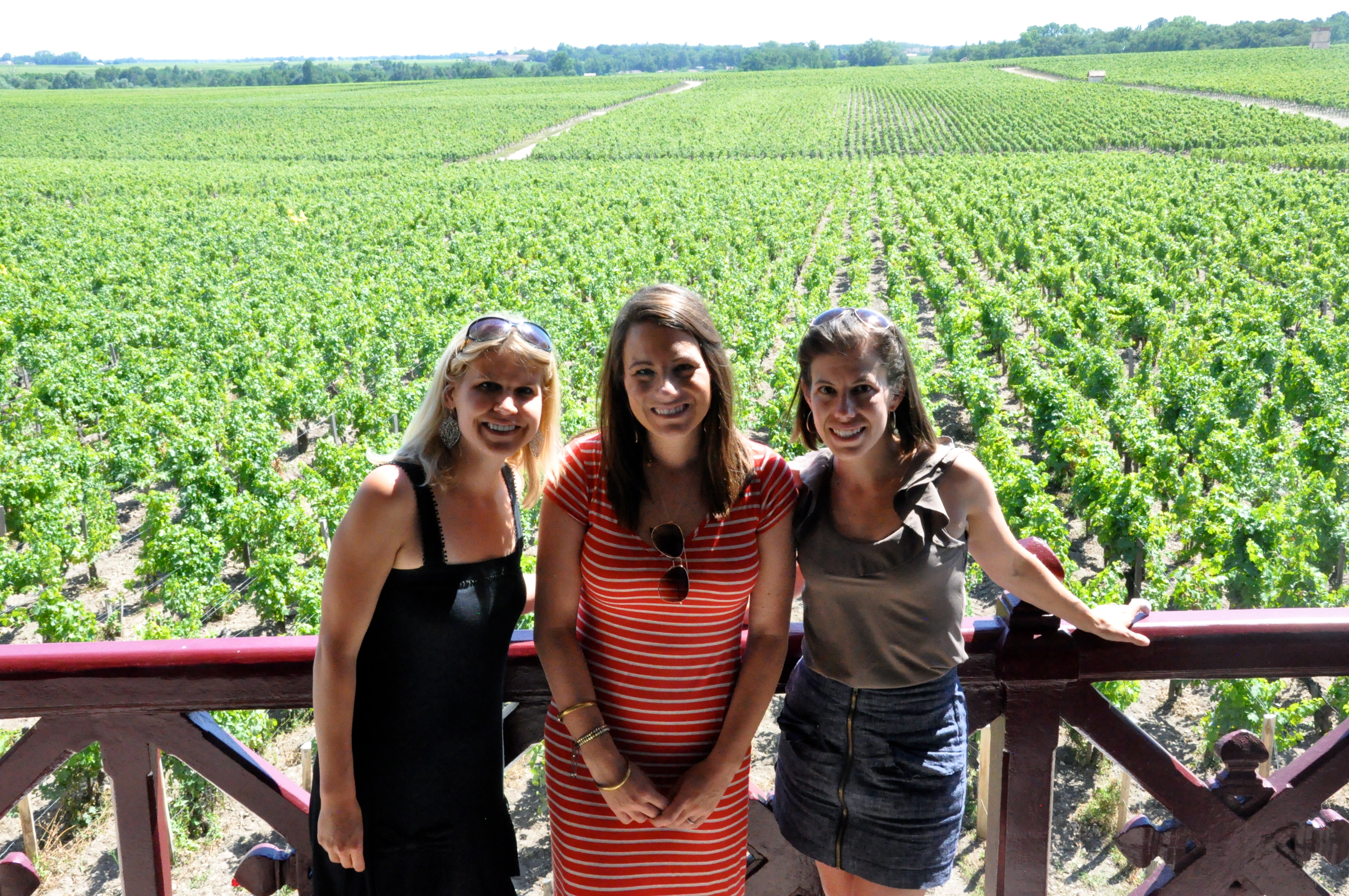
They called this terrace, “The Ocean of Vines”

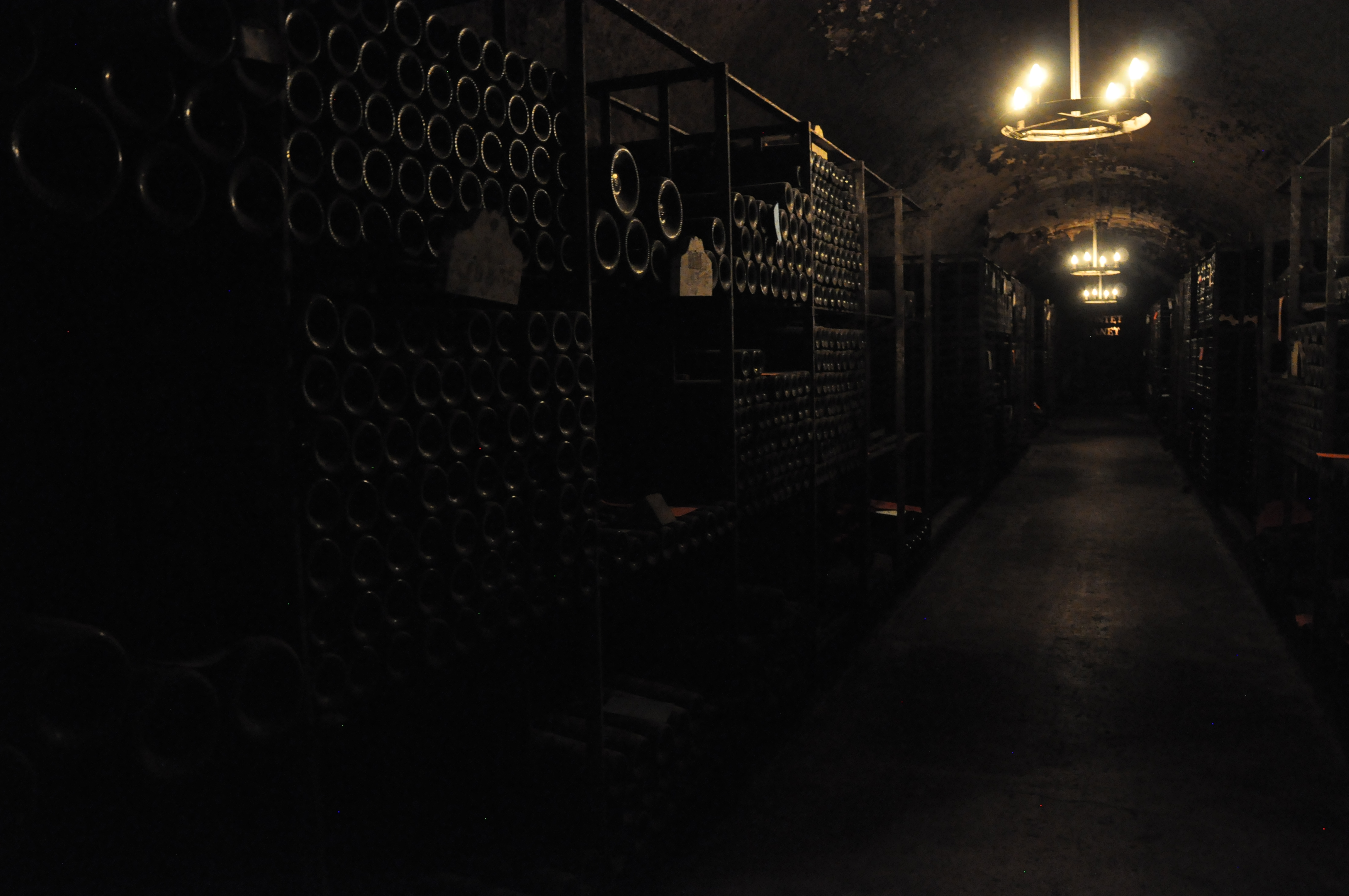
Cellars at Château Pontet-Canet

The “library” of old vintages

Our tasting. We had the 2007 which was 68 euro a bottle. The 2008 jumps to 130 and keeps climbing. Didn’t buy here either!

It was really nice to see this famous wine region.   It is unlike any I have ever visited.  Too bad our budget keeps us from actually purchasing the good Bordeaux stuff!

Related Links:

The Wine Doctor:  Bordeaux Classifications

The Swiss Watch Blog: Adventures in Bourgogne Wine

The Swiss Watch Blog:  Getting Intimate with the vines in St Émilion

Getting intimate with the vines in Saint-Émilion


Our first stop on our Bordeaux regional wine tour was the little town of Saint Émilion, where we were staying.   We had wanted a blend of these small family-owned wineries in Saint-Émilion, along with the larger châteaus in Médoc.

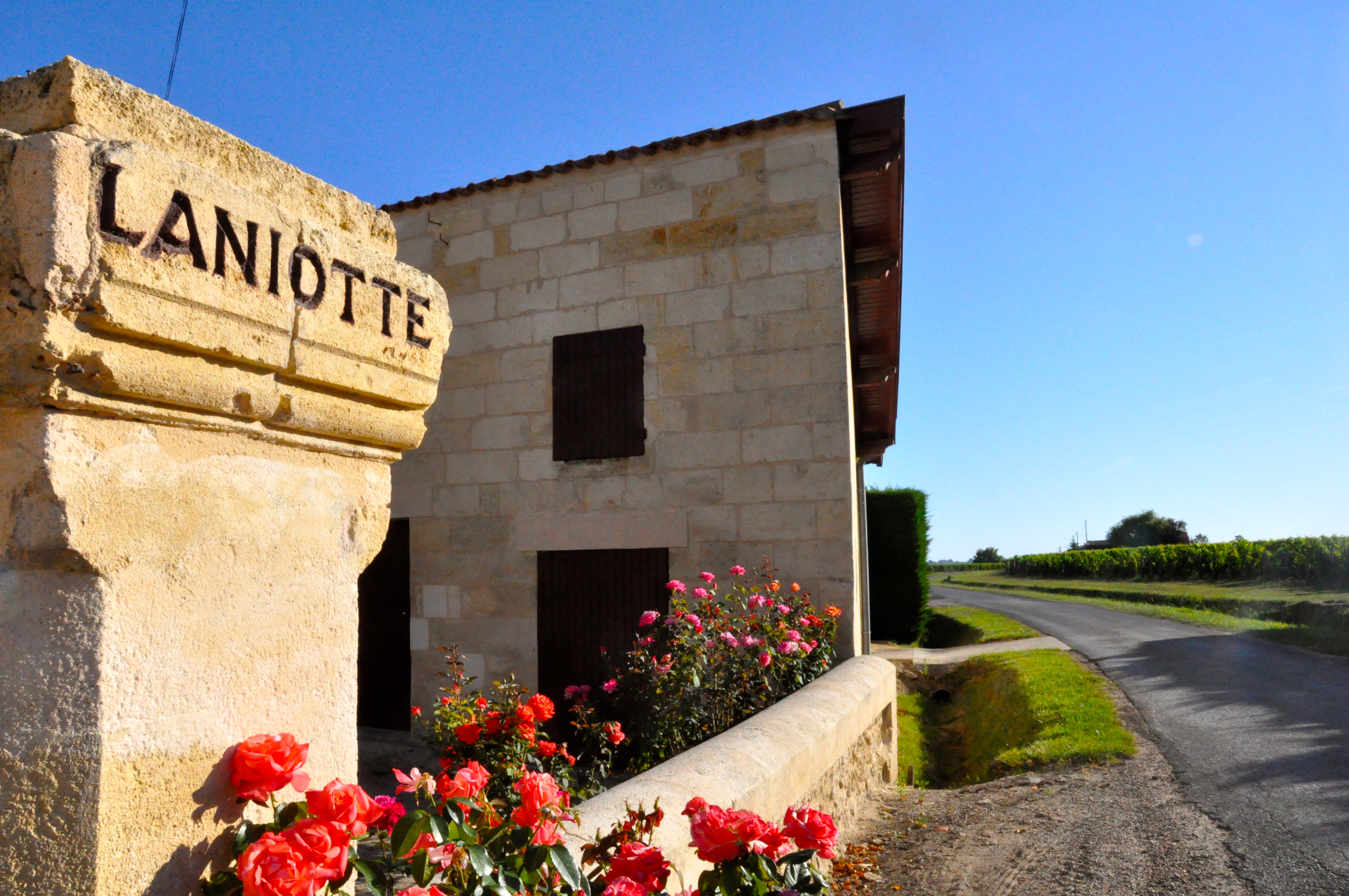
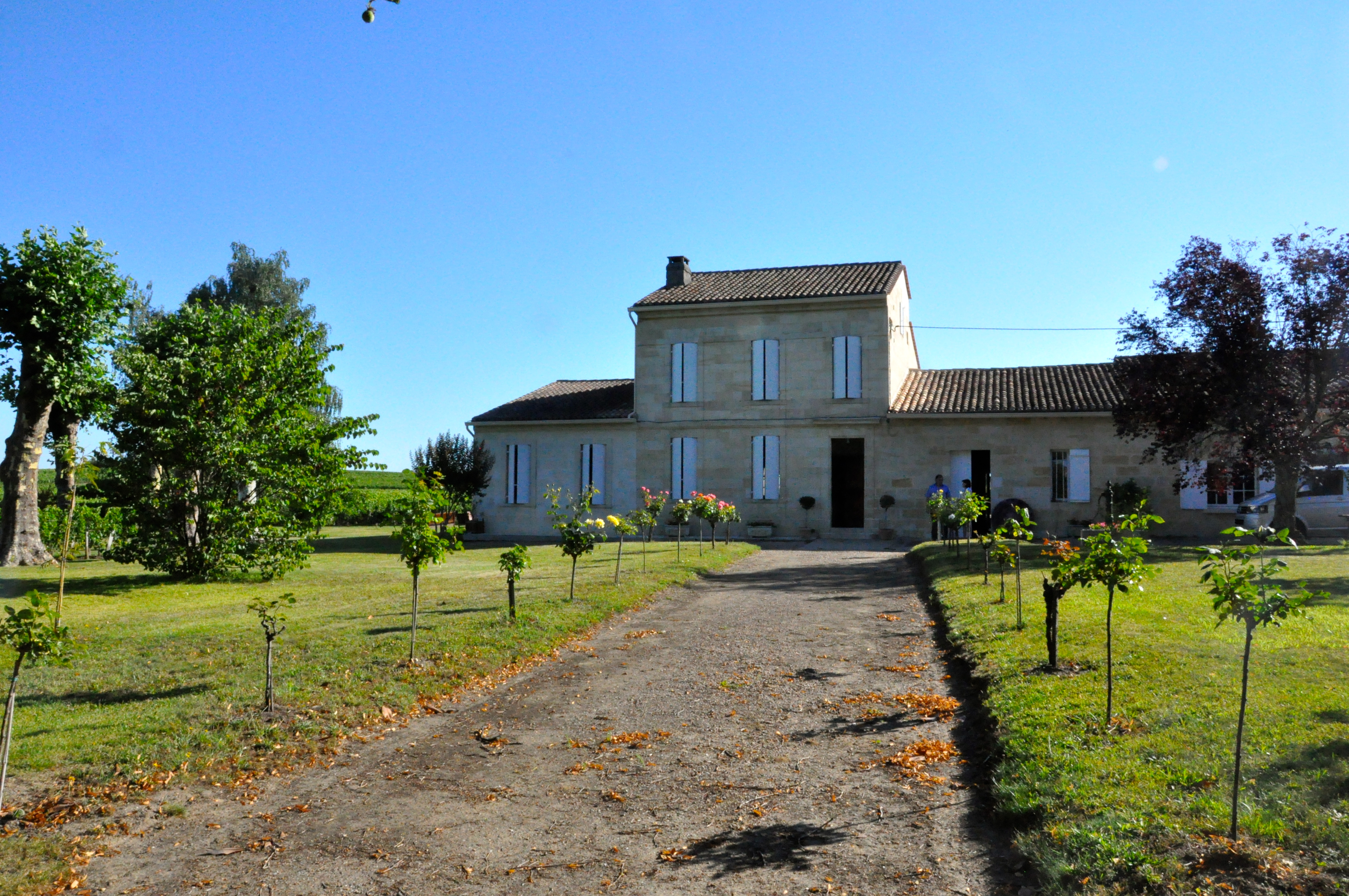
We stared out at Laniotte, which is family owned.  The man who runs it is actually a baron.  However, you wouldn’t know from his humorous personality.

Laniotte winery

Farmhouse / winery at Laniotte


One thing that was interesting to me was that these small wineries only produced one wine.    In the US, one winery might have a Cabernet Sauvignon, a Merlot, and a variety of whites.   Not here….they made one.

And the classification is very important.   At this winery, their product is a “Grand Cru”.   We had learned about cru designations when we went tasting in Burgundy last Fall.  In that region, they were given the designation: Grand Cru, Premier Cru, Village level, or Regional AOC.

However, here in Saint Émilion, the best was Premier Grand Cru, and the next was Grand Cru.

Still different nomenclature from Burgundy.   Confusing, huh?


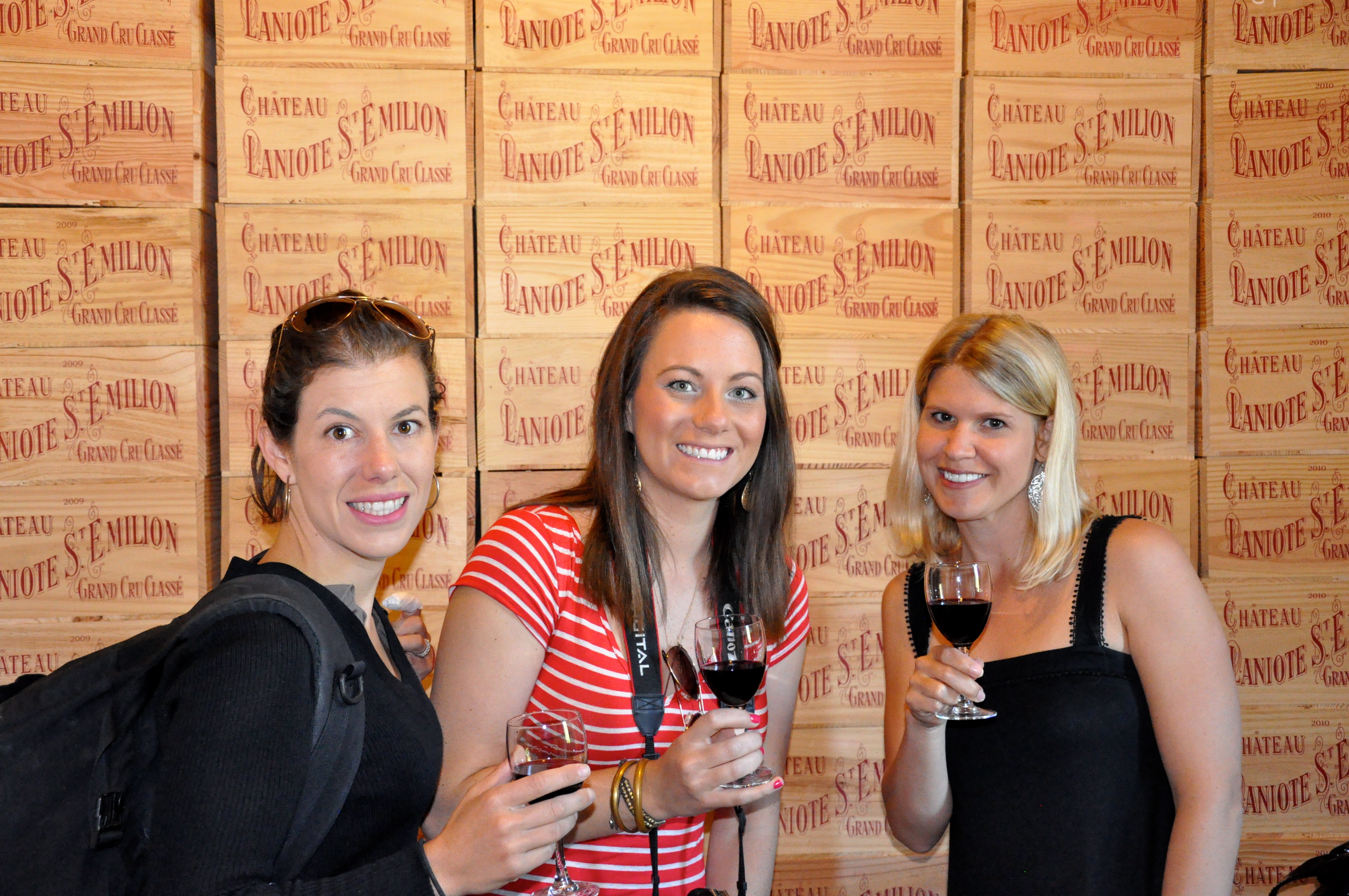
Packing room of their wine:  A Grand Cru Classé


The owner’s wife was a chemist.  She explained to us how they sometimes used the pure juice from the vats.  However, sometimes the pressed grape juice was added.  It just depended on the year, and what the wine “needed” in order to reach its best formulation.


The crusher

The press

This winery produces 60,000 bottles a year.   Not bad.   At the time, they were racking.   Racking is the process of moving a barrel of wine into another barrel.

Enjoying our small personal tour of Laniotte

I am familiar with wine tanks which were used in the fermentation process.  However, most of the time, I had seen stainless steel.  This was the first concrete one I had seen.   The winemakers said concrete helps retain the temperature more constant.

My first time seeing concrete tanks


The result?   Nice.

Our tasting. More like a full glass.  Very nice for a bottle that retails for 32 euros. 

We enjoyed meeting the family and tasting their product.

Enjoying our taste.  Mind you, this is 9am. 

While tasting, we asked if we could explore the vines.   We had noticed that the vines in this region are more squarely pruned.  It is hard to tell from this photo, but they looked more manicured compared to those I had seen.

Checking out the vines

Later that night, we had more time to get “intimate” with the vines, as we took a little post-dinner walk through some of the terraces of Saint-Émilion:


Vineyards at dusk

Vineyards, very close to the town center

Terraces at dusk.  Aren’t they well “manicured”?

Sun setting on Saint Émilion’s vineyards

Vineyards going into town

Night falls on the vineyards


The romantic village of Saint-Émilion

When we went to Bordeaux, we stayed in the town of Saint-Émilion.

Saint Emilion is an old wine town.   History dates vineyards there back to the second century.  Can you imagine?

Our hotel was Auberge de la Commanderie. We’d recommend it. The building was from the 12th Century.

The town is a UNESCO site.   Romanesque architecture and roman ruins are sprinkled throughout the entire village.

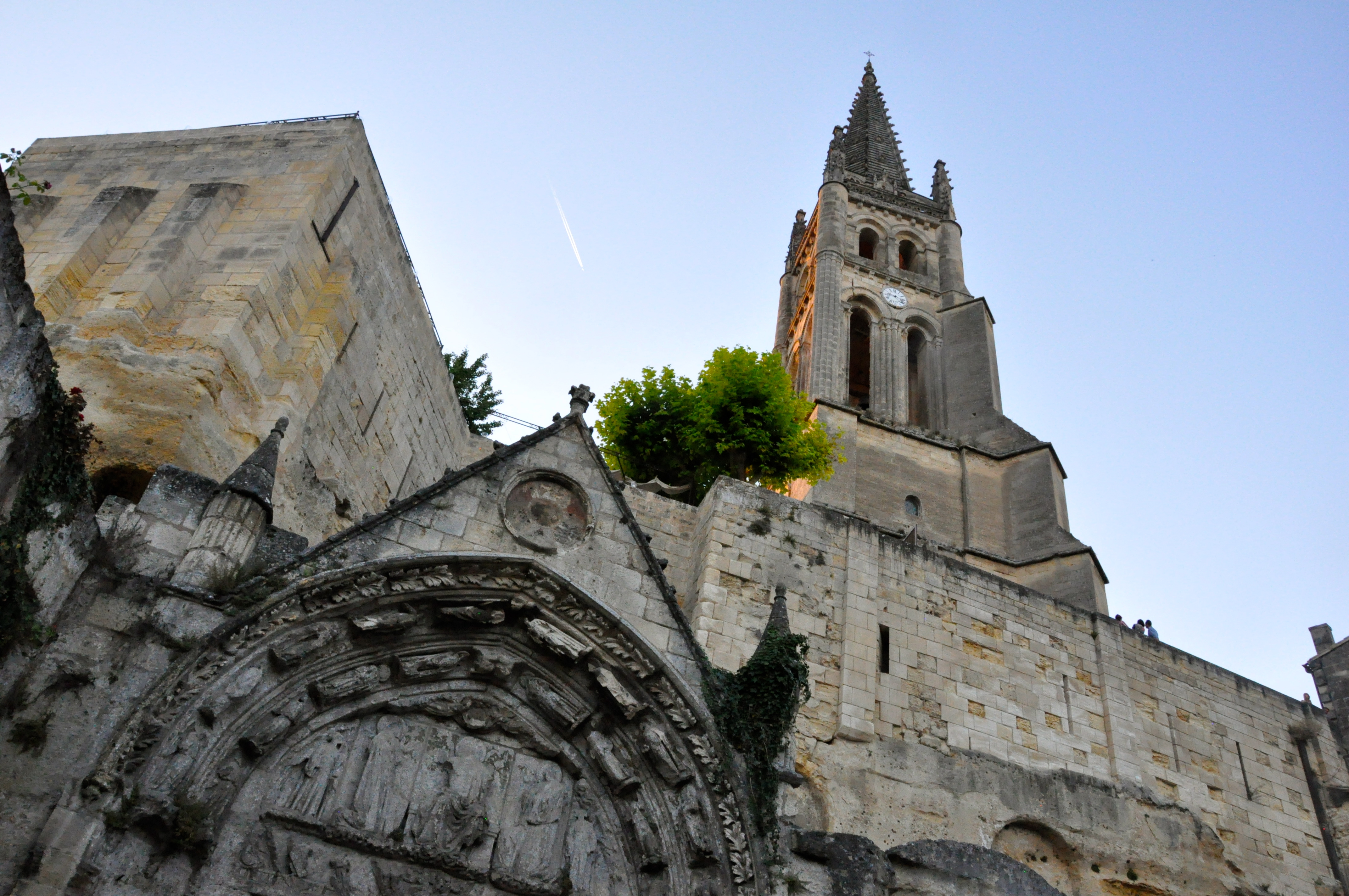
Church in Saint-Émilion

A street in Saint Émilion


Rock integrated into architecture

View from the steeple


I really loved the architecture of this hill town

The town seamlessly blended into the vineyards, and vice-versa

Small church on the hill, overlooking the vineyards

What a romantic city. Too bad the hubbies weren’t with us.


An Ode to Bordeaux.

Last week, a group of three of us packed our backpacks

and at 9am, jumped in S’s car, inputted Bordeaux, and got on track.

Our route

We were venturing through France on “Girls Trip”.

We figured we’d give the ole’ wine tasting a rip.


About four hours into our journey,

S’s car rumbled and smoked, like it needed a gurney.

Puy du Dome

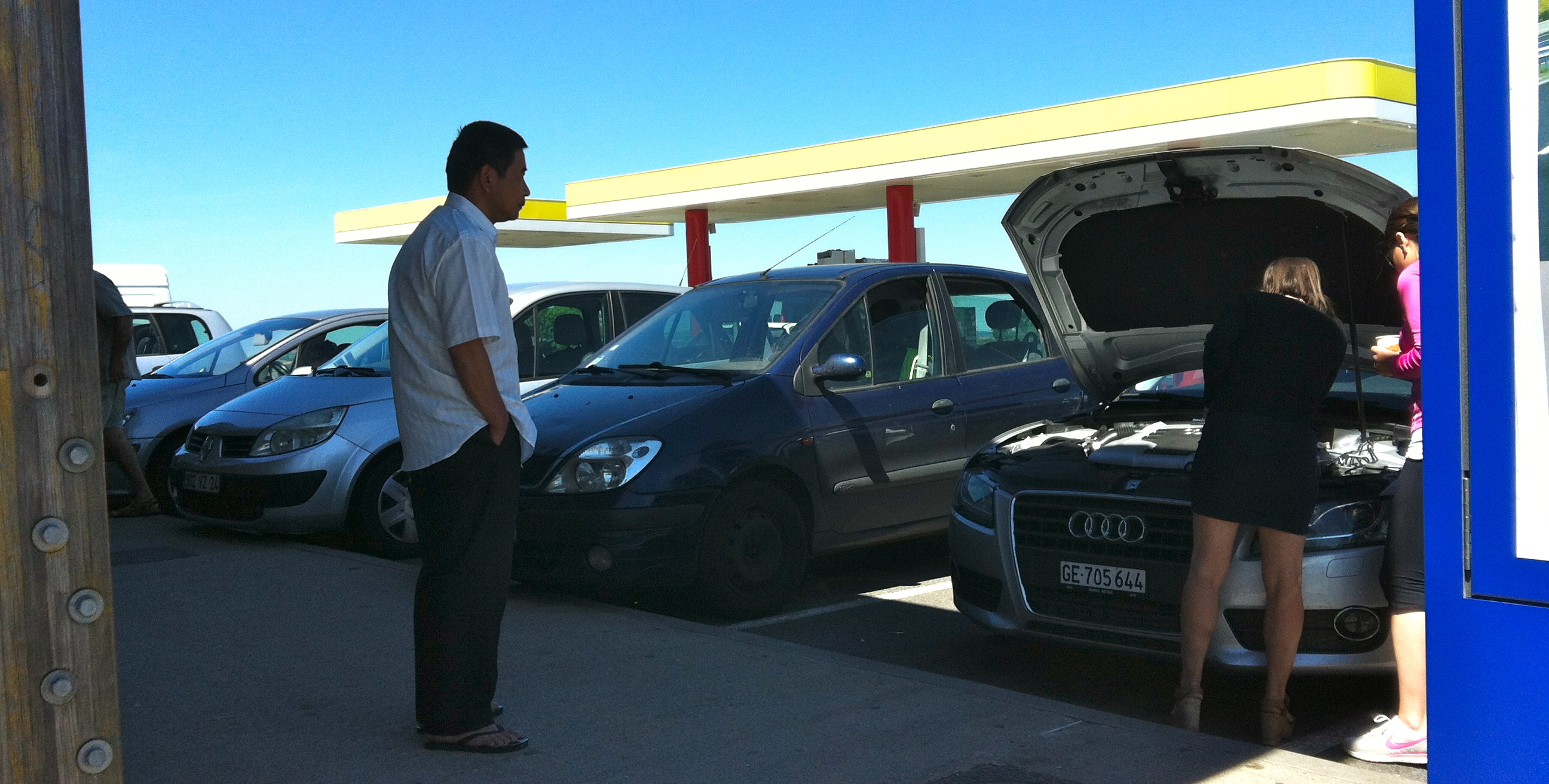
As luck would have it, we were near an Aire

which is a “rest stop” in French, if you didn’t know where.


That part was quite lucky.  But since highways in French are privately owned,

just any tow truck couldn’t come help, with the way it was zoned.


To see what was the matter, the gals looked under the hood

they got an audience, a few men, who just stood.  (apparently this isn’t common in France)

A and I bided our time by taking advantage of the rest stop buffet

It included quarters of chicken, ratatouille, wine, – quite an array!


Wine machine at the rest stop. We didn’t partake. We wanted to.

Having fun with the coffee machine


After an hour, help did arrive.

In a big blue tow truck, he did drive.
 

He took a look, and I thought he said “Bon Voyage”

but really he said, “C’est la embrayage” (the clutch)


Thank goodness S spoke fluent French.

Without her, A & I would have been in quite a pinch.


We loaded up the car onto the tow truck bed

And drove along Puy de Dome, with concerns of Bordeaux in our head.

S, on the phone, in the tow truck.


In the little town, we waited and sat.

It took four hours to arrange a car, and to wait for a taxi at that.

The dog’s name was Festine. We stayed so long, we got to see her birth certificate.

Sick of waiting


The lady on the phone said the rental car location would be 4 kilometers.

After an hour backtracking and 100 euro, the error was hers.


We were at the airport of Clermont Ferrand

More waiting we did do, at the mercy of Europcar’s hand.

The airport we didn’t fly into

Finally, we jumped into our new car,

stopping at a Q-stop (like McDonald’s) before we got too far.

Yes, we’ll take a round of “Classique” meals

We drove again past the scene of the breakdown, the exact site,

and continued 5 hours to our destination, arriving at midnight.

Saint-Émilion at midnight. Thank goodness.


Before it was time to lay our heads down,

S bought us a bottle of wine, to have a “We finally arrived” round.


Provençal Hospitality at La Maison de Françoise.

While we were in Saint-Rémy-de-Provence, we stayed at a very lovely B & B, La Maison de Françoise.   It is operated by husband and wife, Bruno and Françoise.   It is rare that I do a post exclusively on a hotel room, but this was a special place.

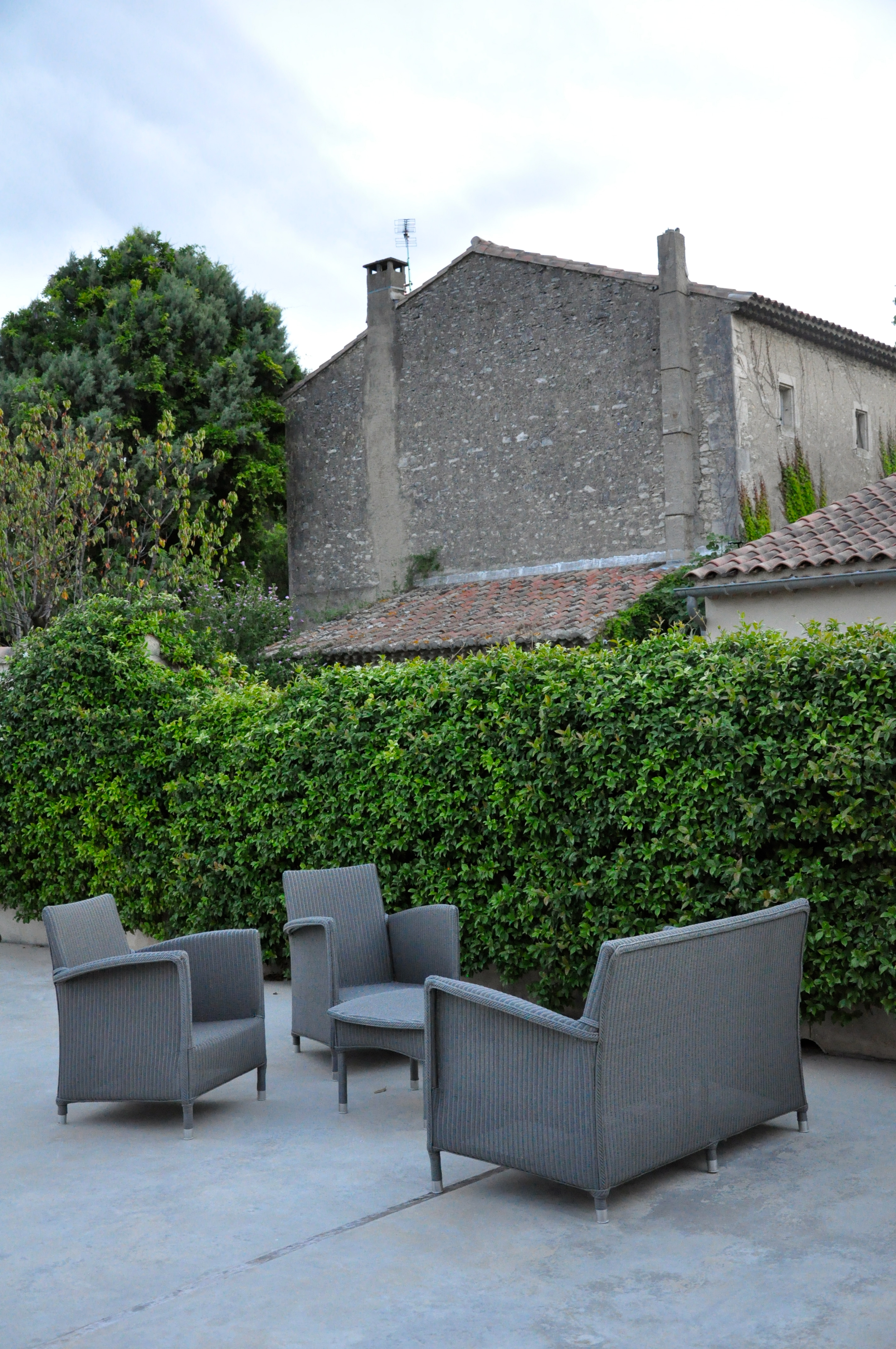
We really enjoyed the grounds of their estate.  Everything was thoughtfully done, from the gardens to the sitting rooms.

It was lovely chatting with the couple.

Lovely grounds of La Maison de Francoise

The pool…notice how all in Provence must be above ground due to the craggy rock soil?
Conversation areas

Our little room was on the top floor of this farmhouse

Our doorway

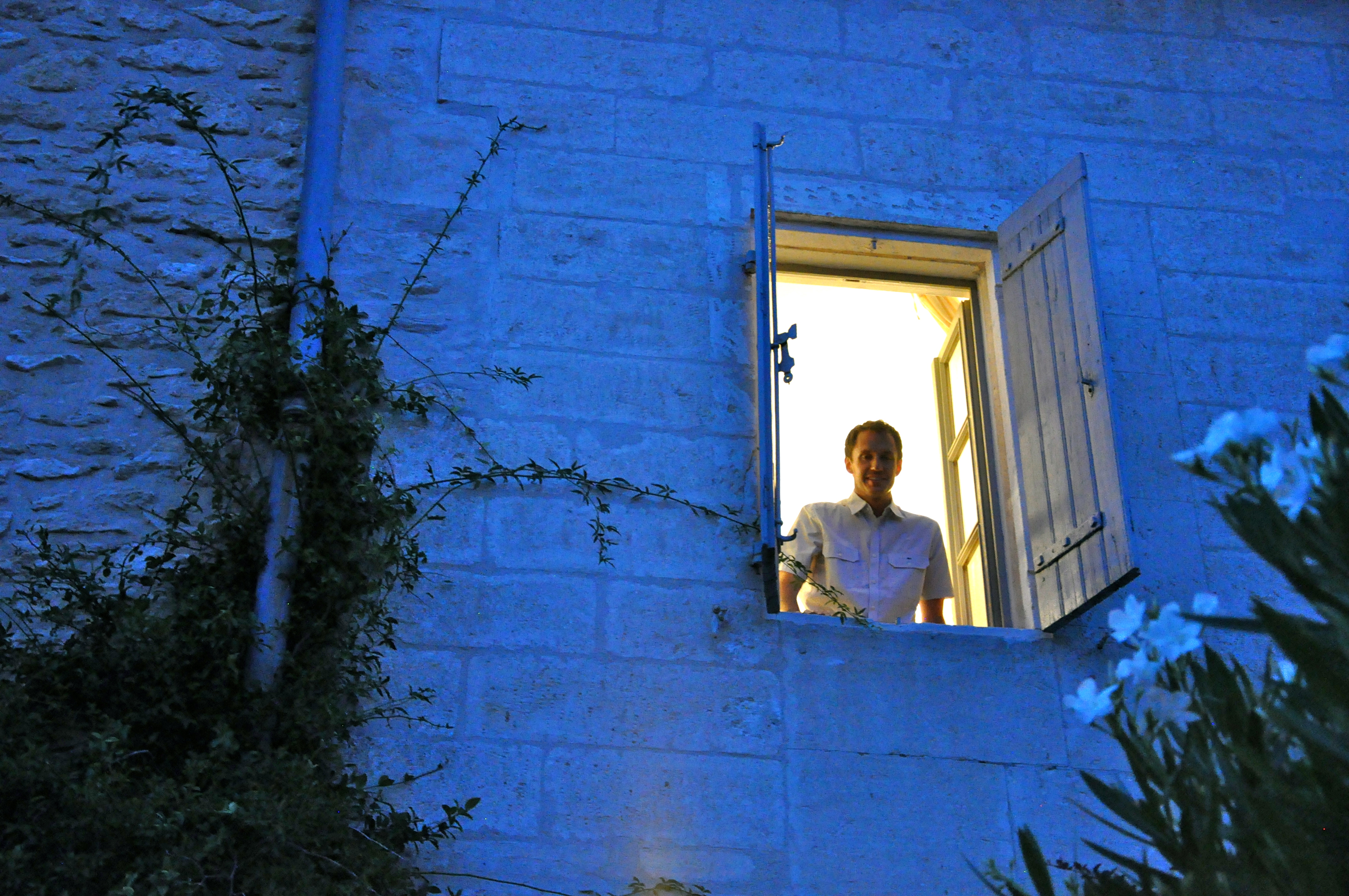
Rapunzel…let your hair down. Just kidding, he was upstairs working and I was beckoning him.

Breakfast was

Breakfast was coffee, fresh squeezed juice, and a basket of Provençal pastries and breads with confiture.

We’d certainly recommend this gem for your next trip to Provence.

La Maison de Françoise

60 avenue Albert Schweitzer

13210 Saint Rémy de Provence – France

Tél : 33(0)4.90.24.92.66

http://lamaisondefrancoise.com/presentation-anglais.htm

Diversity in Landscape

I wanted to share the diverse beauty of the South of France.  We drove through many regions to get to our destination of Provence, including Le Drôme and The Haute Alpes.

The slideshow includes a glimpse of some of the images I took from our car’s window that weren’t included in other posts:

This slideshow requires JavaScript.

I know that road trips sometimes get old, but this beauty always makes it a bit easier to enjoy being in the car!

Gratitude Friday: The Best Things In Life Are Free


I mentioned how much we liked D943 for the amazing lavender from Gordes to Sault.    I am happy to report the views didn’t stop after Sault.  We continued on our way home, weaving on small roads through some really cool gorges.

Driving home from Sault to Geneva

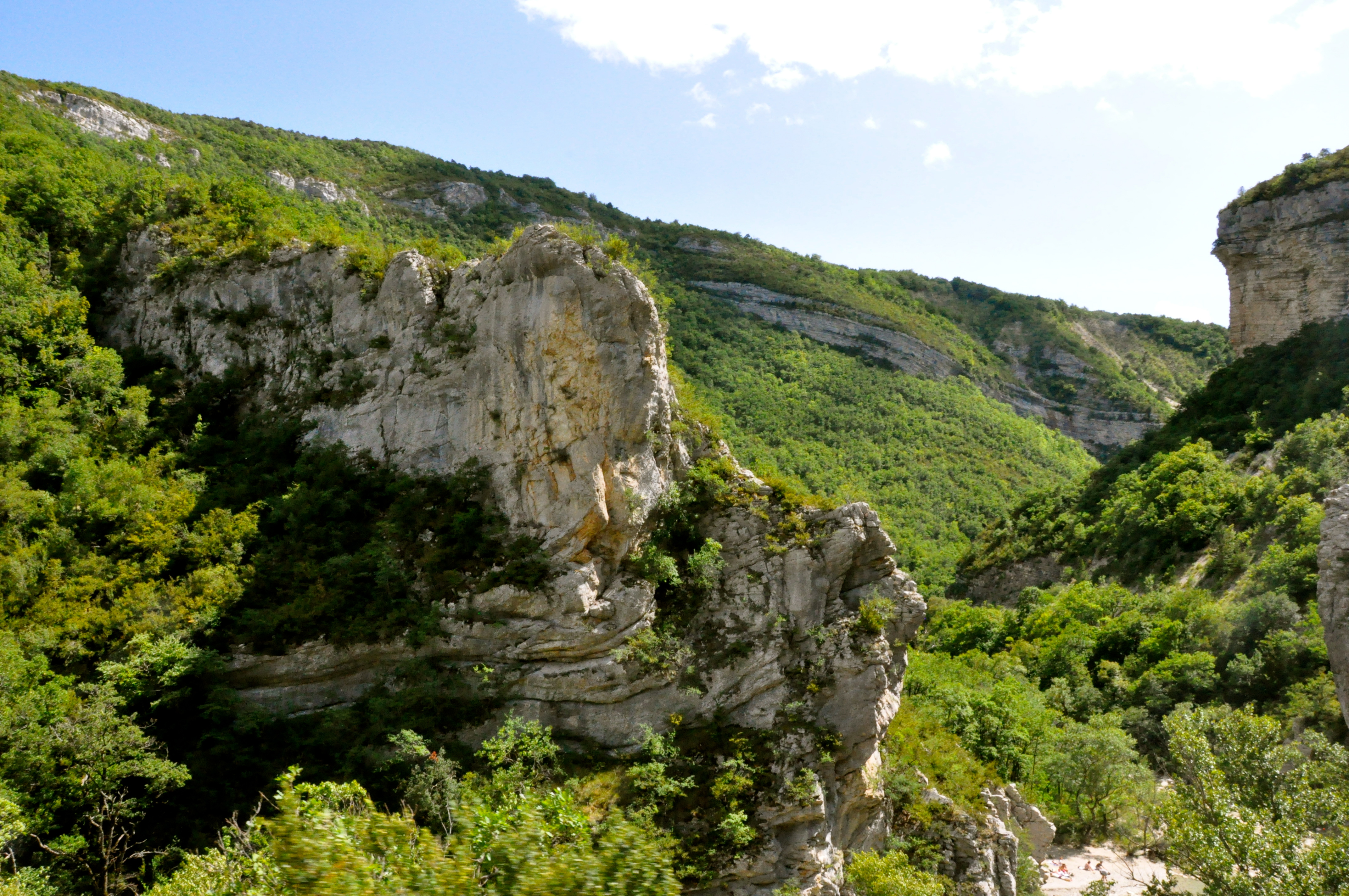
Cool rock formations

Lovely views


After a few miles, I noticed there was a river running next to the road.  Neat.

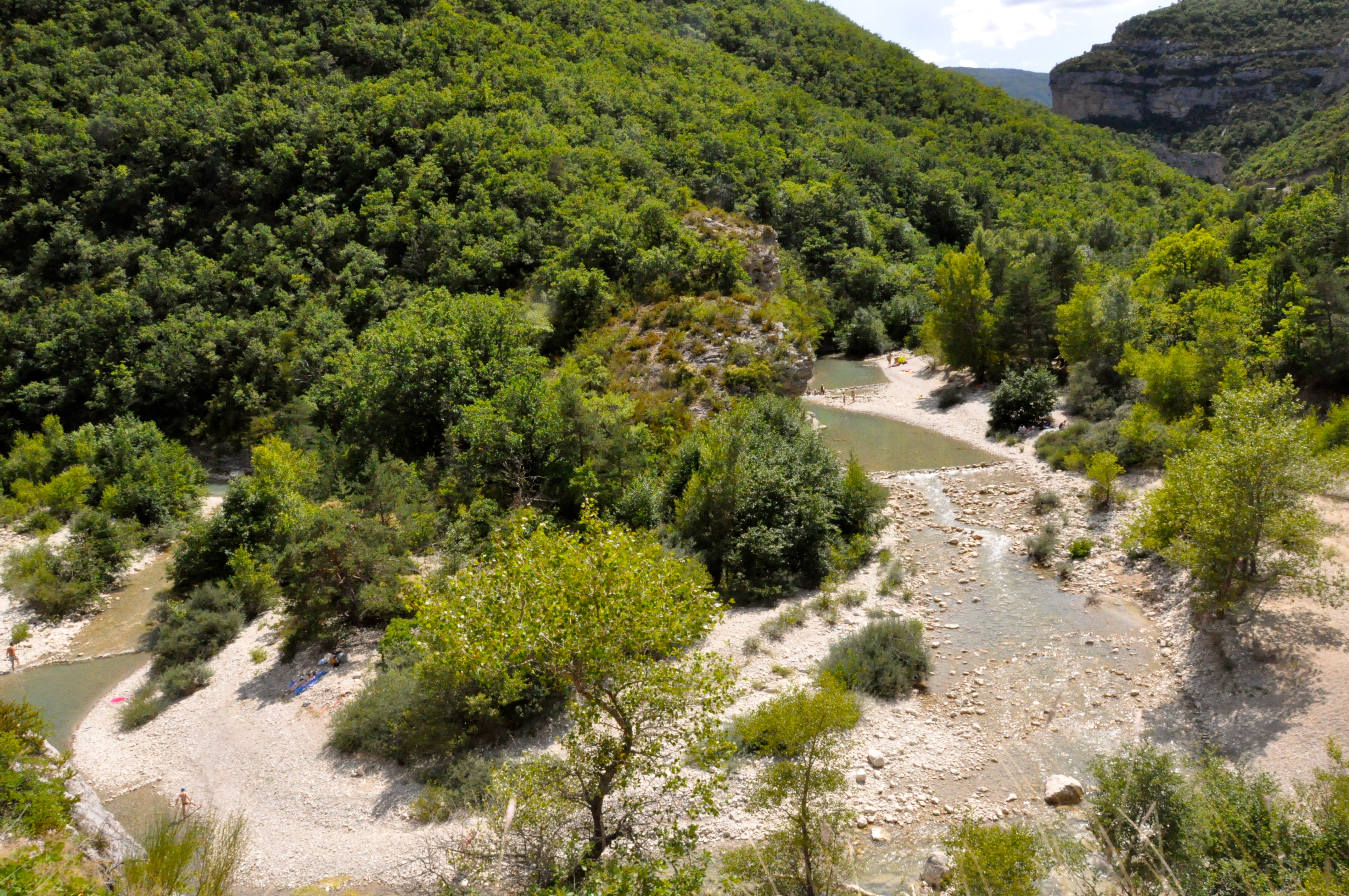
A glimpse of the water down below’


I felt bad for Gabe as he was driving and couldn’t see how pretty it was.   When we saw this view below, I exclaimed, “if you can stop, do it!”

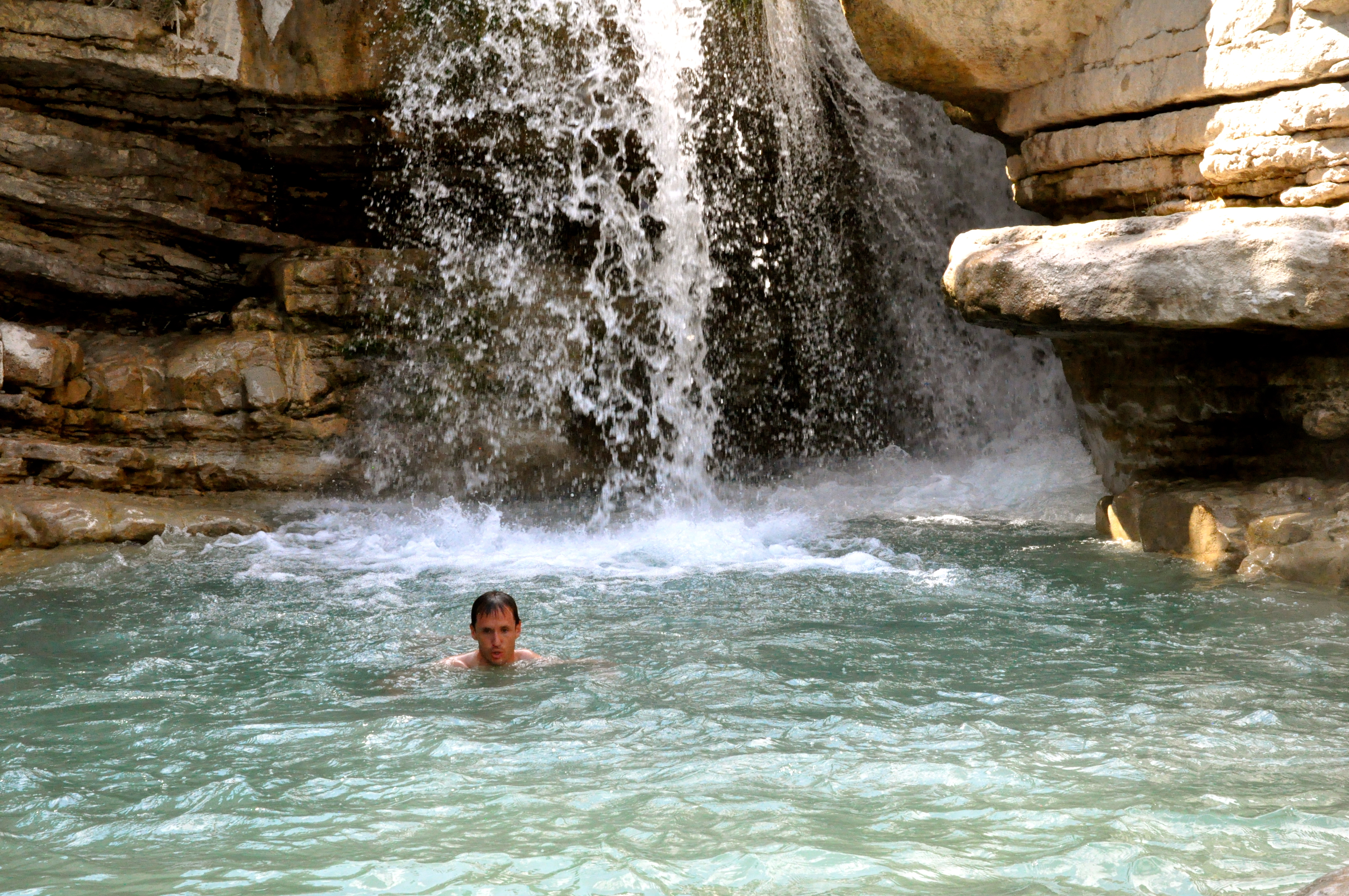
Waterfall at the gorge


So we parked our car and took a better look.  Gabe commented, “It’s an adult water park!”

After our better look, we hiked back up, changed into our suits and headed down to give it a whirl.

Walking through the gorge


Playing in the rapids. The limestone below was smooth, like the bottom of a pool.

Taking a jump

Yup. It’s cold!

My turn

Another go for Gabe


We only jumped off the second platform.   Even I could stand right there.   We don’t know how the heck these guys weren’t killing themselves:


This goes to show you, the best things in life are free.   And we are grateful for that.  We’ll never forget the day we accidentally found the free all-natural “water park”.

If you want to check it out, it is called Les Gorges De la Méouge.  Below is a map of where we found it:


Bon weekend, everyone!