The world’s best olive oil

Living in Europe, we have seen several climates that bear olives – the South of Spain, Provence (South of France), Tuscany & Umbria (in Italy), and Greece.
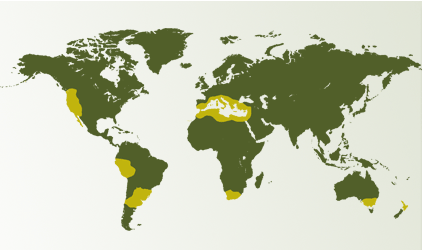
Image courtesy of olimarket.com

It takes an arid region to cultivate this delicious specialty.   It is best grown in the Mediterranean basin where the temperature and soil yields the best fruit.

We have had the opportunity to taste olive oil from each region:

In the South of Spain, we enjoyed tapas, most of them drenched in oil.  It was delicious to have their oil integrated into their cuisine.
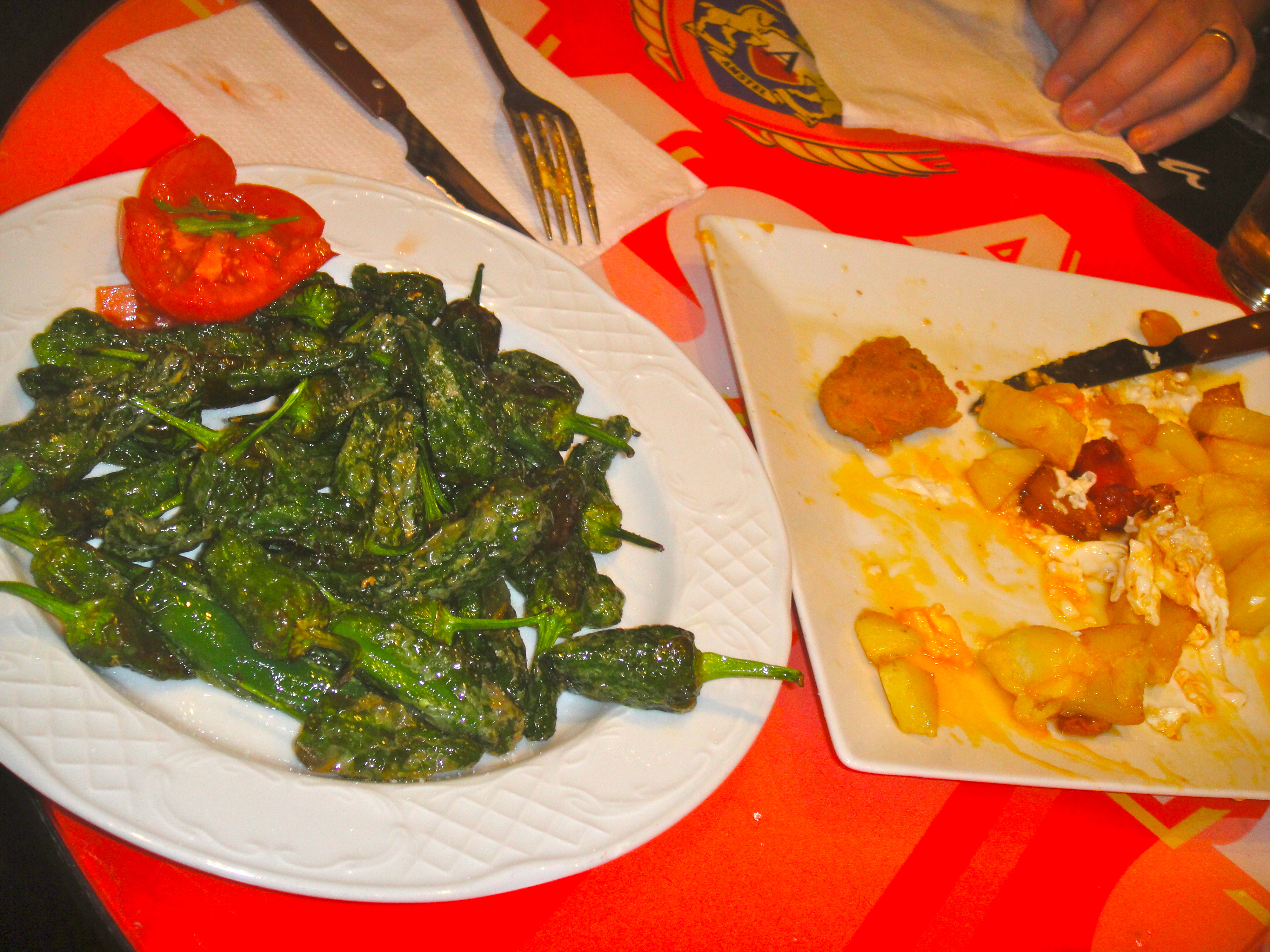
Spanish tapas. Mmmmm.

And, I actually had no clue that France produced olive oil until we did our summer trip to Provence and drove through many groves in les Alpilles.  Valdition, the estate where we found the lavender, had a hefty production of French olive oil.  We purchased some from our innkeeper.
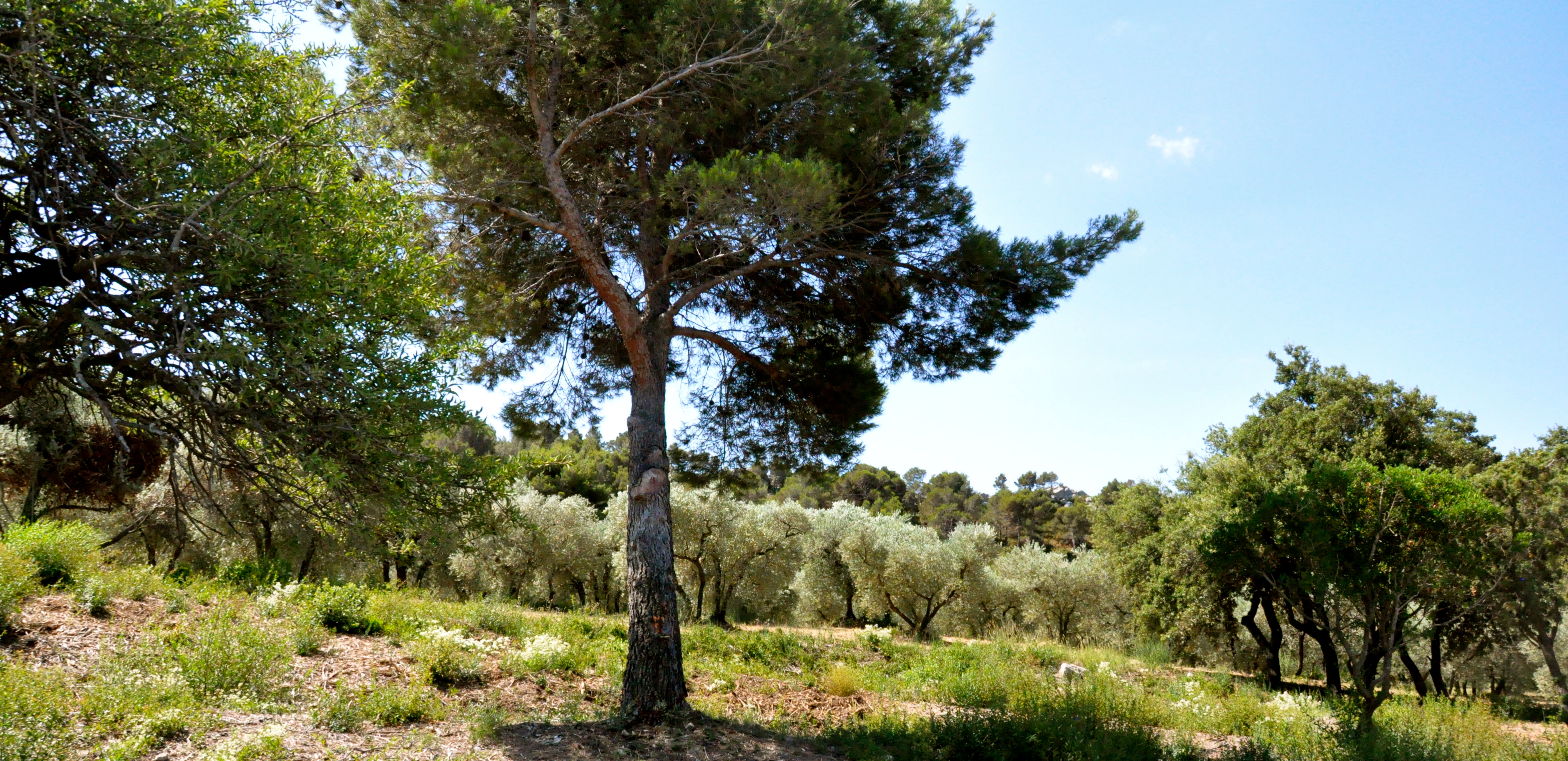
French olive groves…ooo la la.
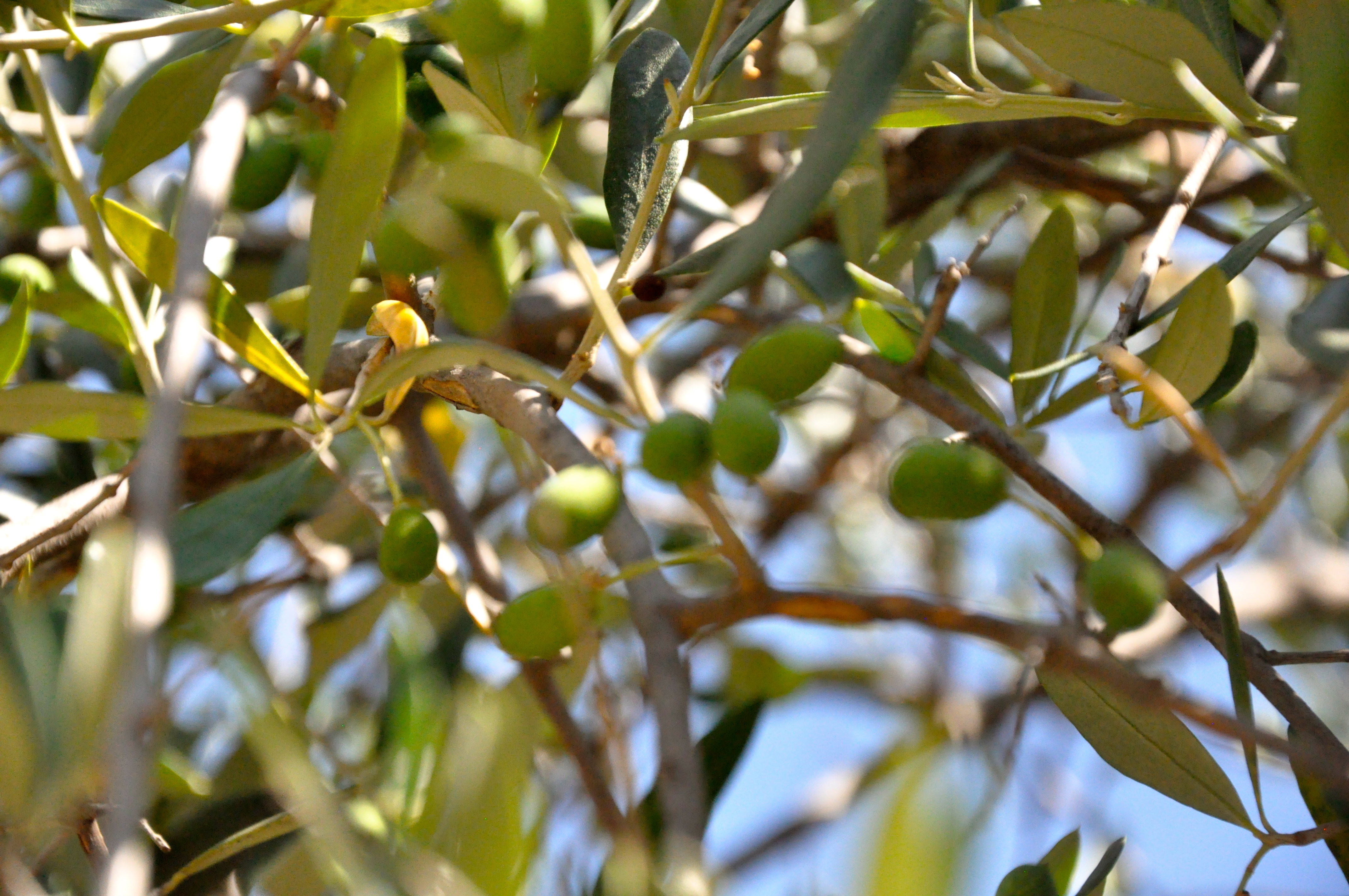
French olive branch

In Italy, we have had amazing olive oil on our trips.  As it is very delicious and fresh, it is best appreciated on bread.    Did you know that Italians actually import more than they export!

Olive trees dotting the Tuscan landscape

However, when it comes to olive oil, the Greeks dominate in consumption.  The average Greek consumes 26 L per year.   This is double Spain or Italy’s consumption at 14 L.  And the US, North America, and Northern Europe pale in comparison at 0.7 L.

The green in the hills…..those are olive trees. Crete, Greece.

One of our guide books indicated that Crete produces 20% of the worlds supply of olive oil.  I haven’t found facts to back that up, but this stat is staggering for such a small island.   I would believe it as the Cretean diet, heavy in foods farmed off their land – olive oil and fresh produce, was found to be the reason that Creteans have the lowest mortality indices, irrespective of what disease.
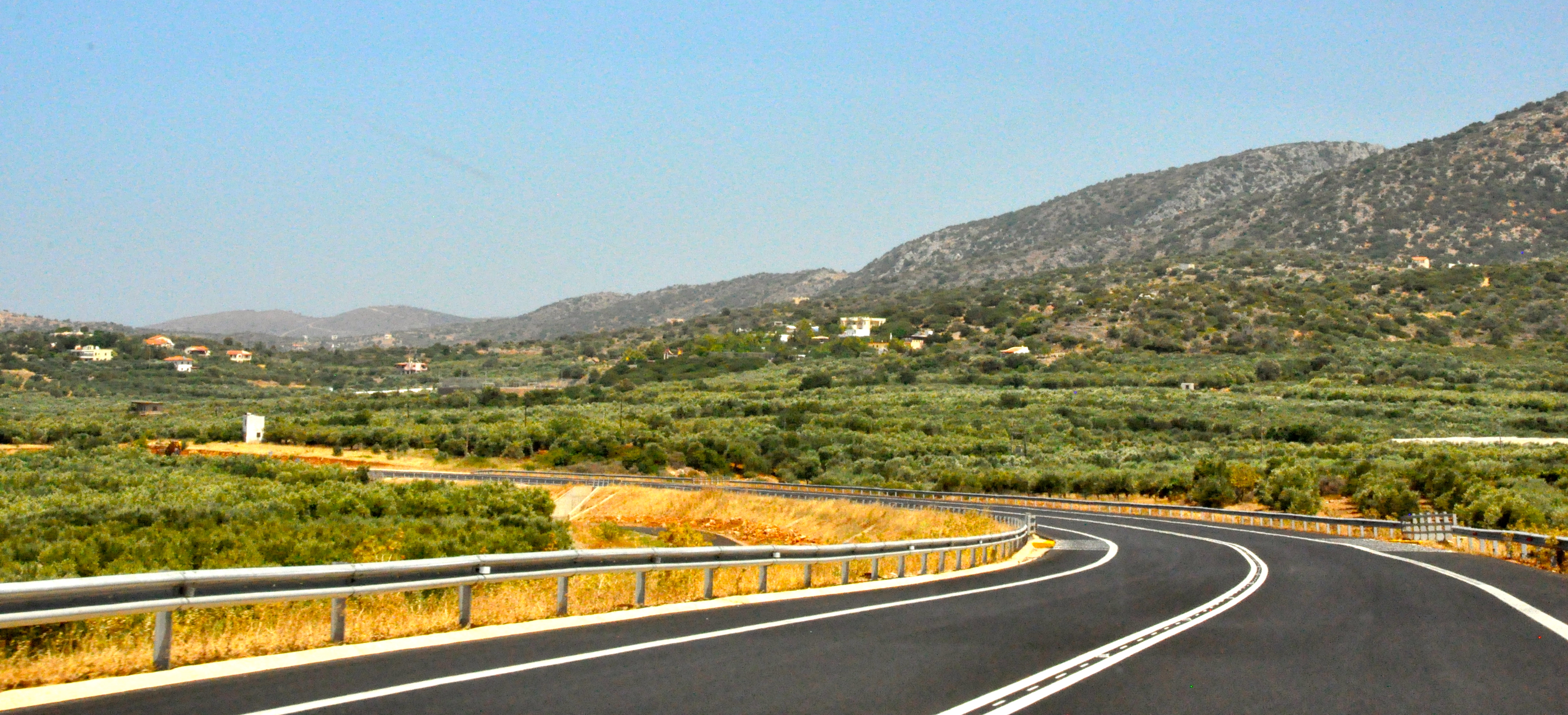
Olive trees lining the Cretean highways and mountains

Also, perhaps some of their consumed quantity could be attributed to non-traditional uses.   When in Crete, I had a massage at the hotel in which the masseuse used pure extra virgin olive oil.   I tasted my arm before leaving – it was the real deal.   Also, a friend reported that her daughter-in-law’s family, which hails from Greece, immersed her newborn grandchild in olive oil for luck upon meeting them for the first time.
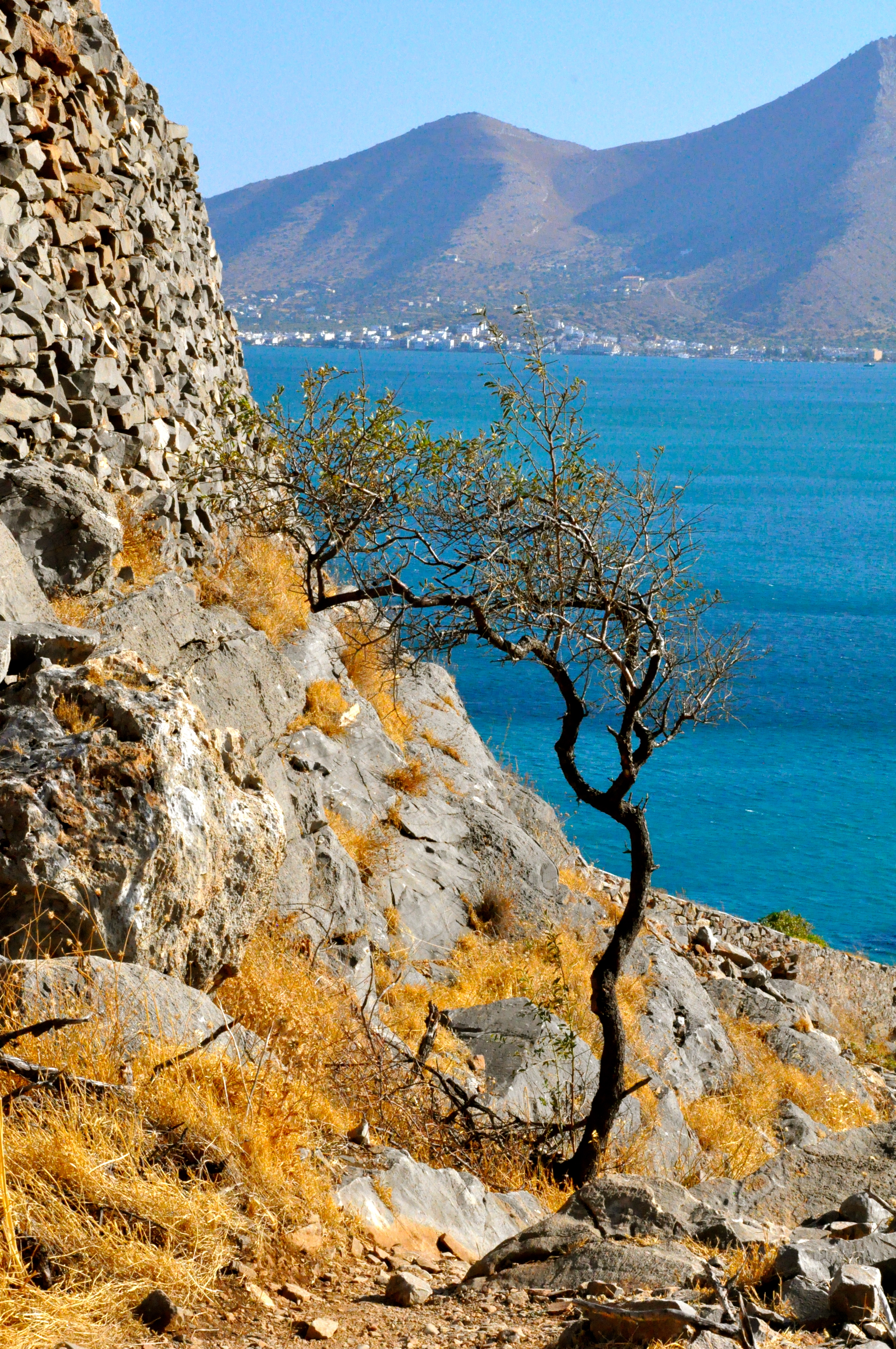
A lone olive tree, Spinalonga island

Regardless of the use, we would argue the best tasting olive oil comes from Greece.   From our first taste in Athens at Pritangon to our most recent tastes in Crete at Osteria Fish Taven, it is still confirmed our favorite.   Surprisingly, I even heard an Italian in Sorrento admit that the Greek oil was the best.

So, why is olive oil Greece’s best kept secret?    I guarantee you if the world knew how amazing this stuff is, then Greece’s economy wouldn’t be struggling so much!
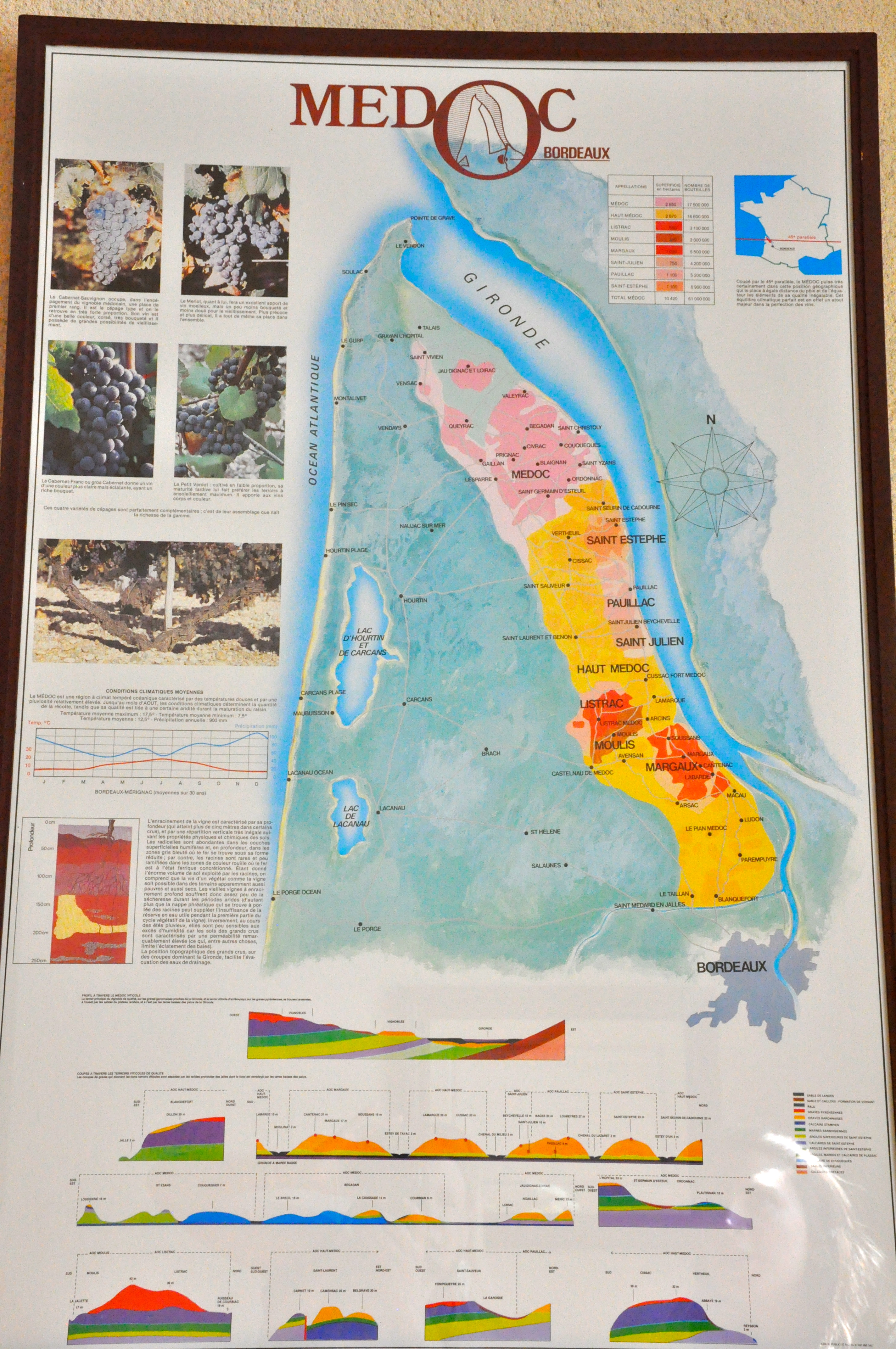
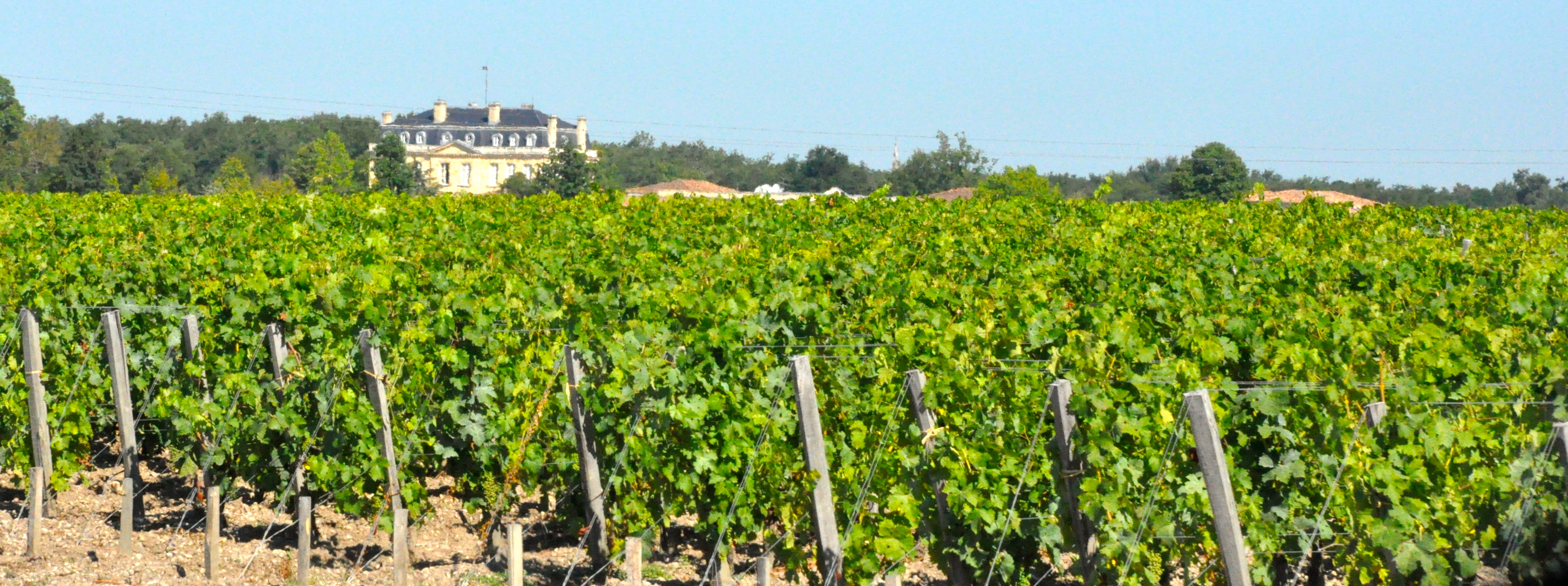
Big Bordeaux: Château tastings in Médoc

Médoc was the second region we explored on the Bordeaux wine adventure.

Map of Médoc / Bordeaux wine regions

While Saint-Émilion is quaint, Médoc is high brow.

First of all, they have very strict classifications.   You might say, well, Saint Émilion and Burgundy also have classifications.  Well, in Médoc, when the classifications were set in 1855, they have only made one exception.   So, they are very rigidly based on the land.  It doesn’t account for changes to the land, to the owner, or to the wine-maker.

It was set back in 1855 by Exposition Universelle de Paris and was the idea of Napolean III to show off all things France.  He wanted to show superiority of Bordeaux wines, thus upping the great exhibitions of England.

The designations are :

Premier Cru / 1st

Deuxièmes Crus / 2nd

Troisièmes Crus / 3rd

Quatrièmes Crus / 4th

Cinquièmes Crus /5th

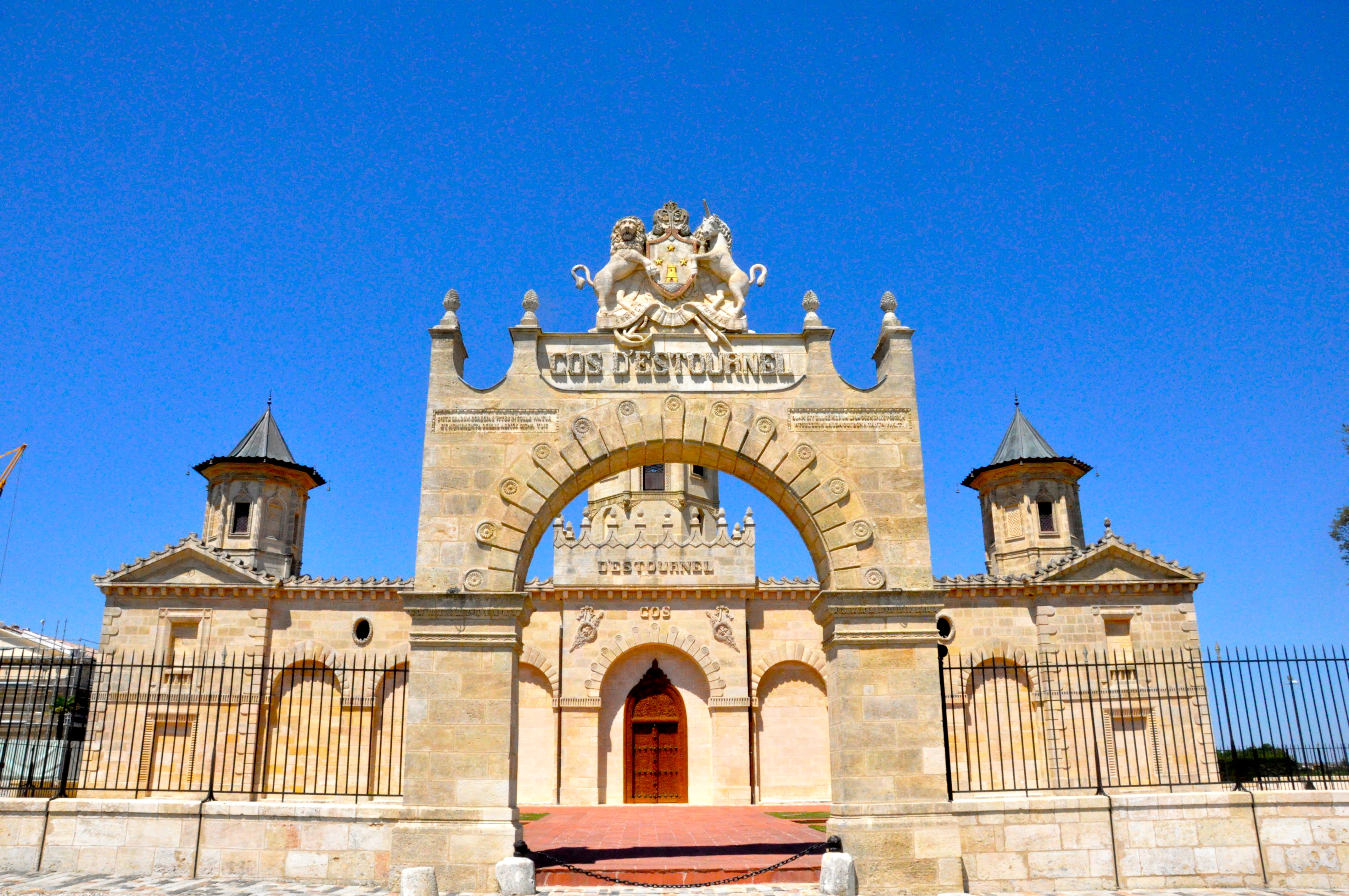
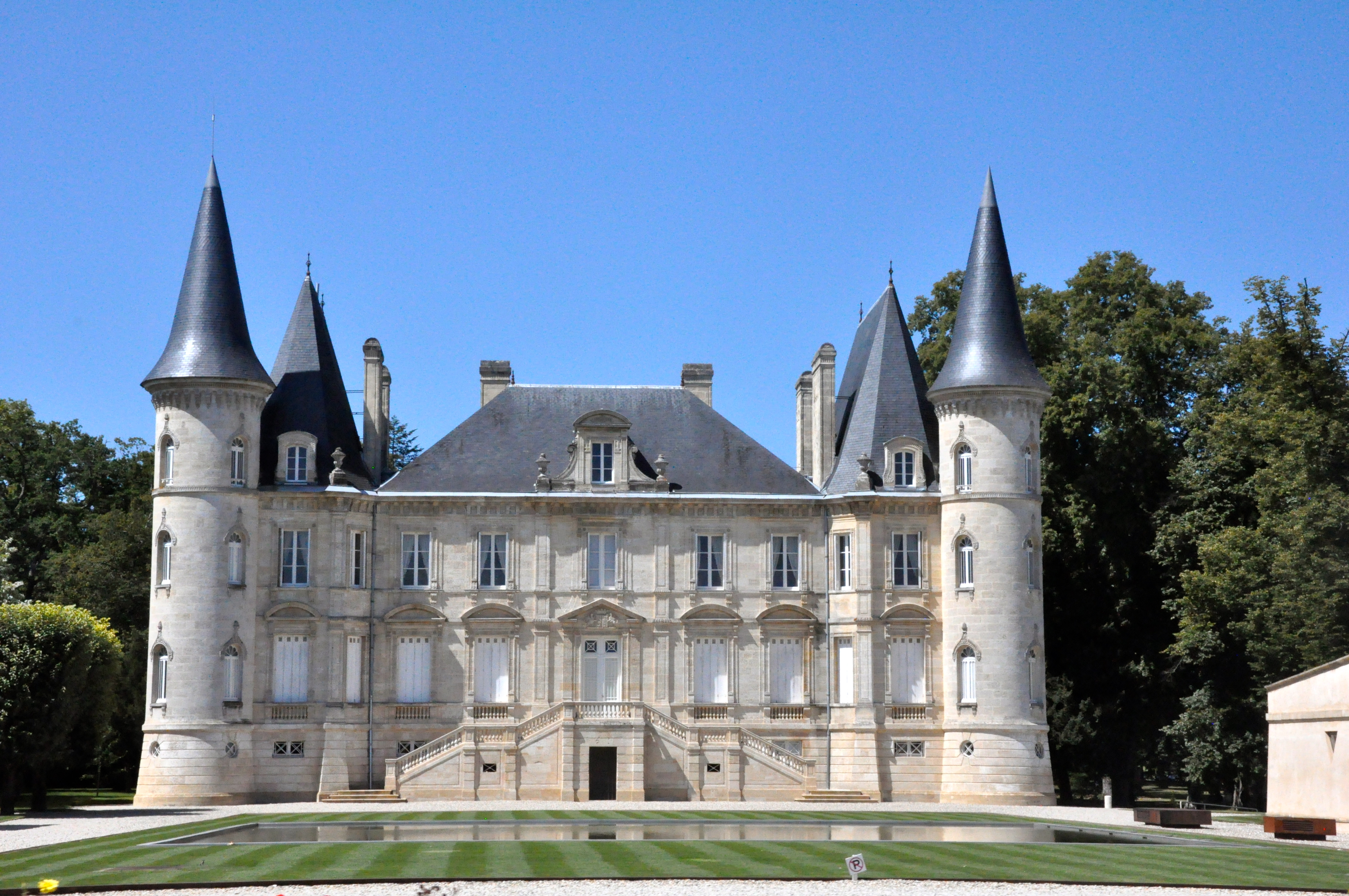
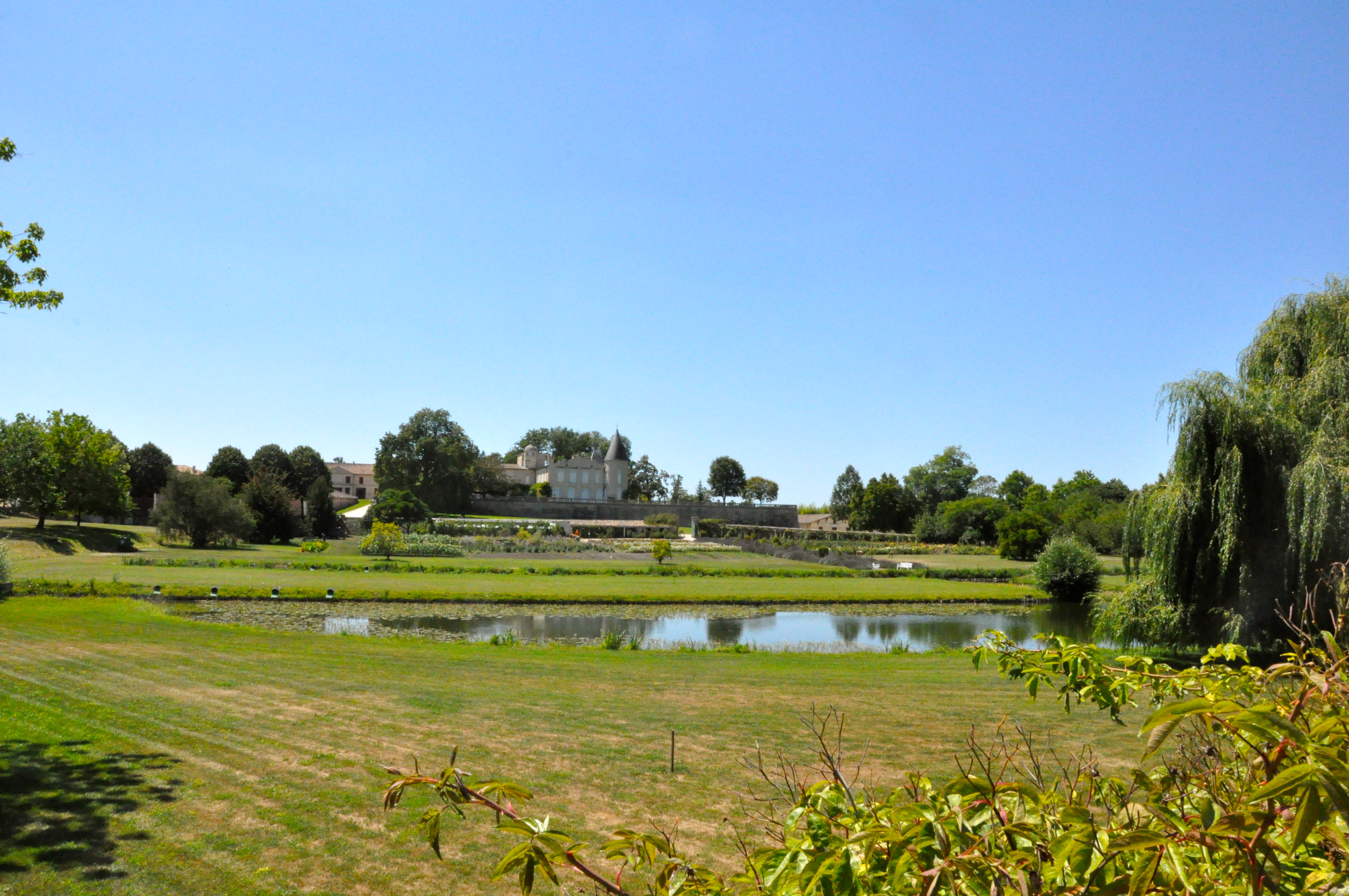
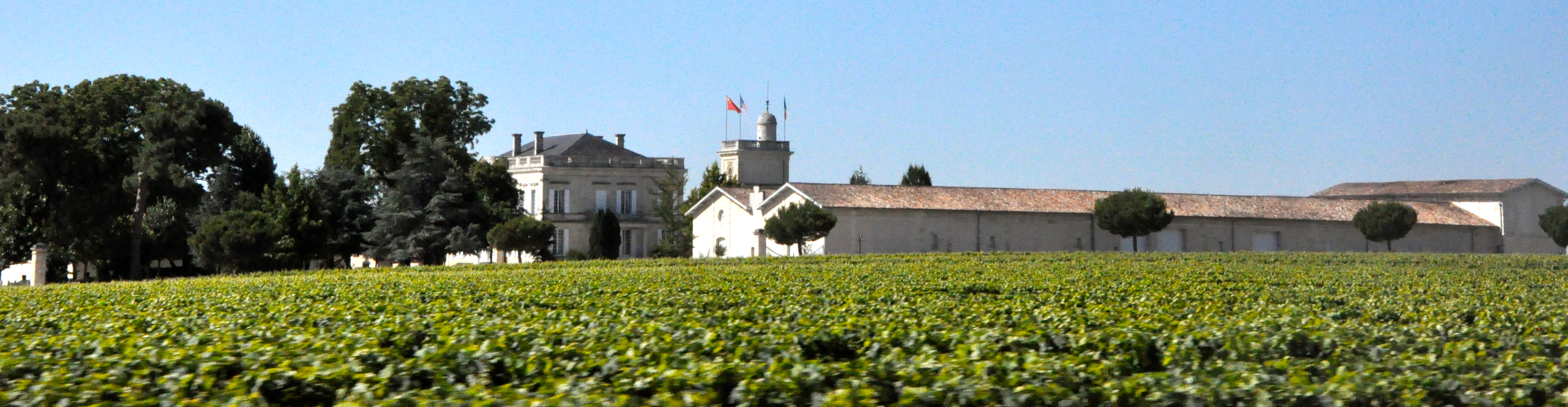
In addition to strict designations, most Médoc wineries are in châteaus, castles.   Just driving around in Médoc, this is the type of winery you see:

Typical landscape in Médoc

Middle Eastern flair

Just a little ole winery

Rothchild estate

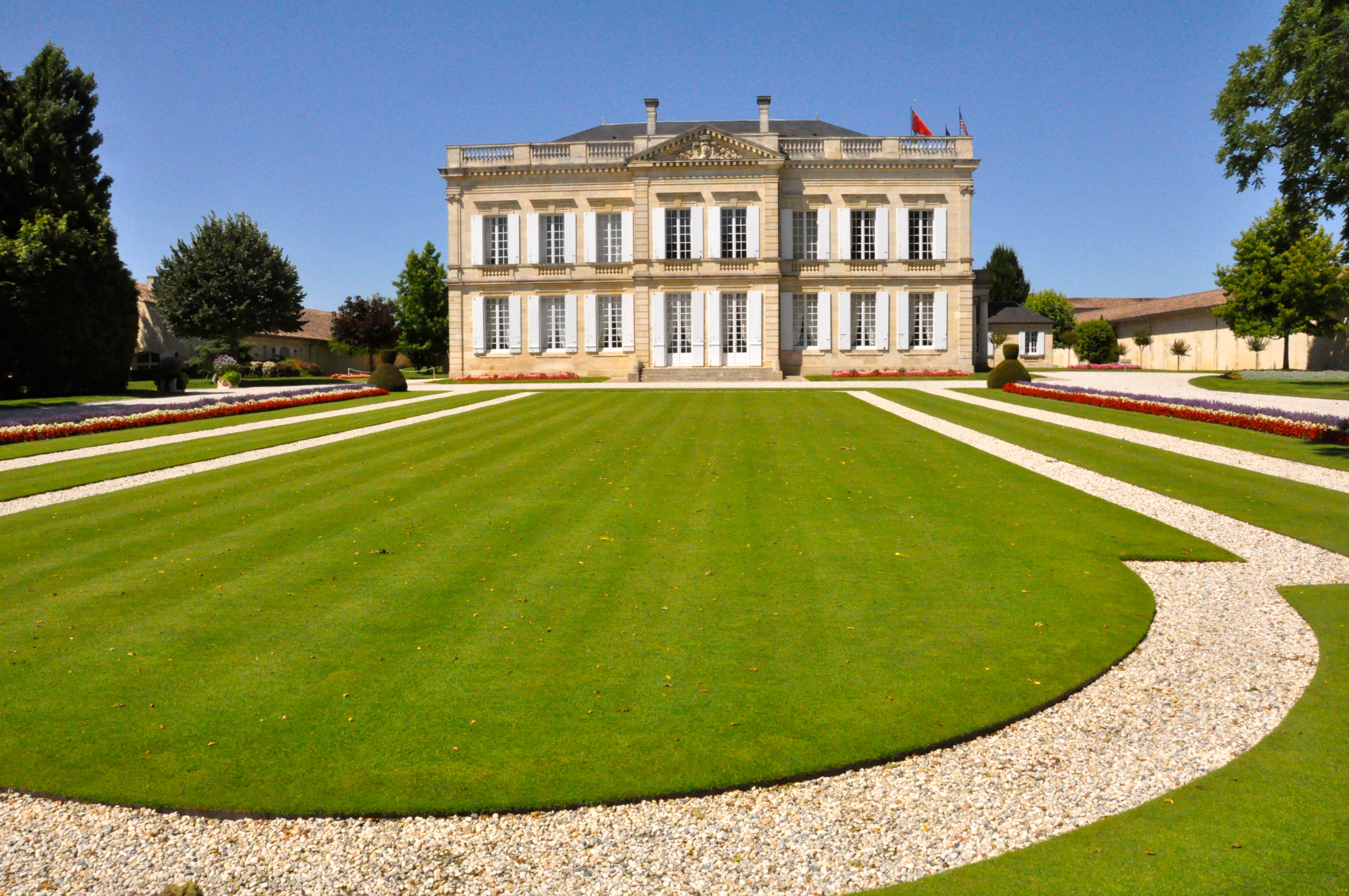
We happened to start our Médoc at Château Gruaud-Larose, a deuxieme cru (2nd).

Château # 1 – Gruaud-Larose

The grounds

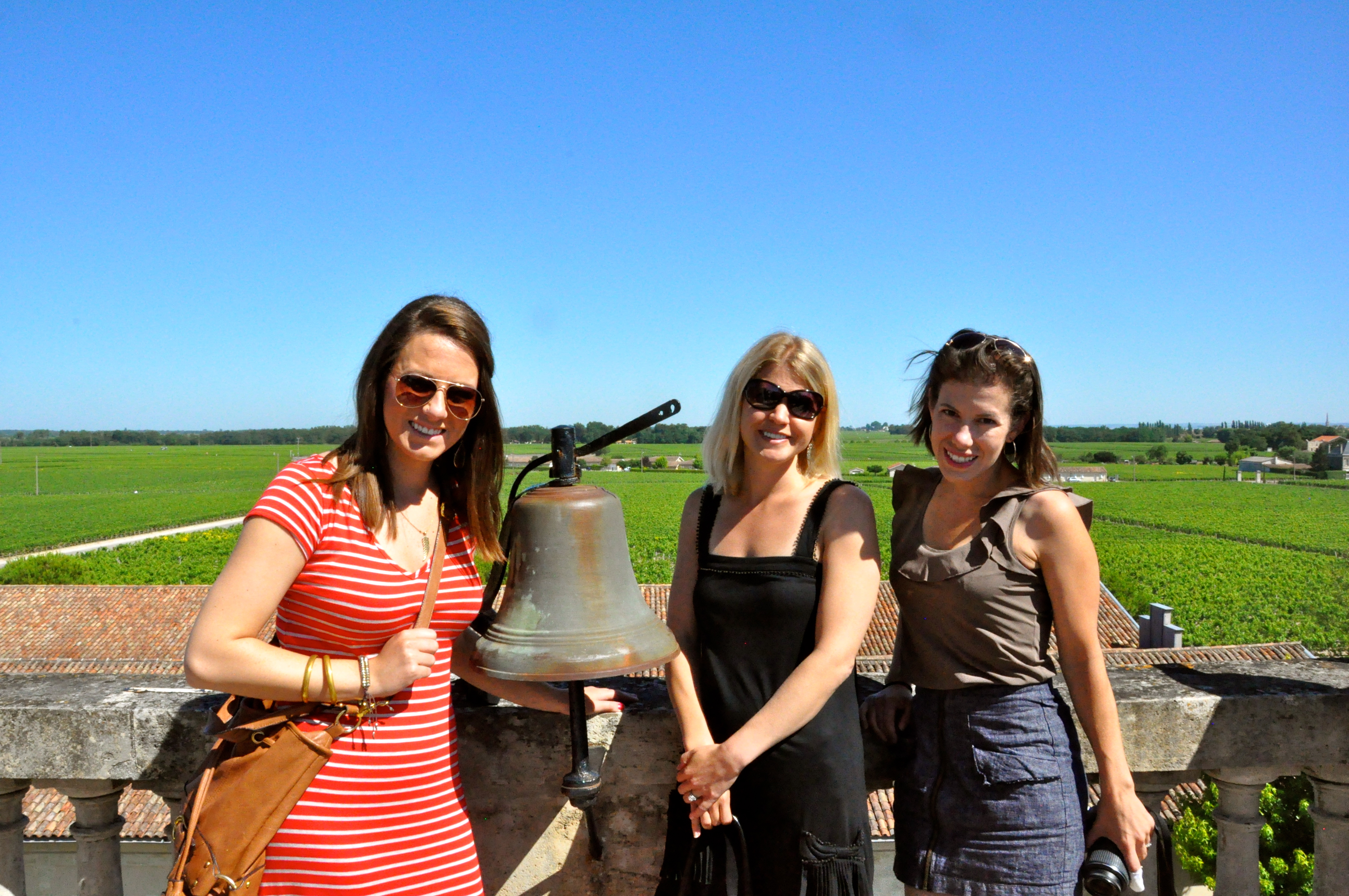
View from the bell tower.

Tempted to ring the bell

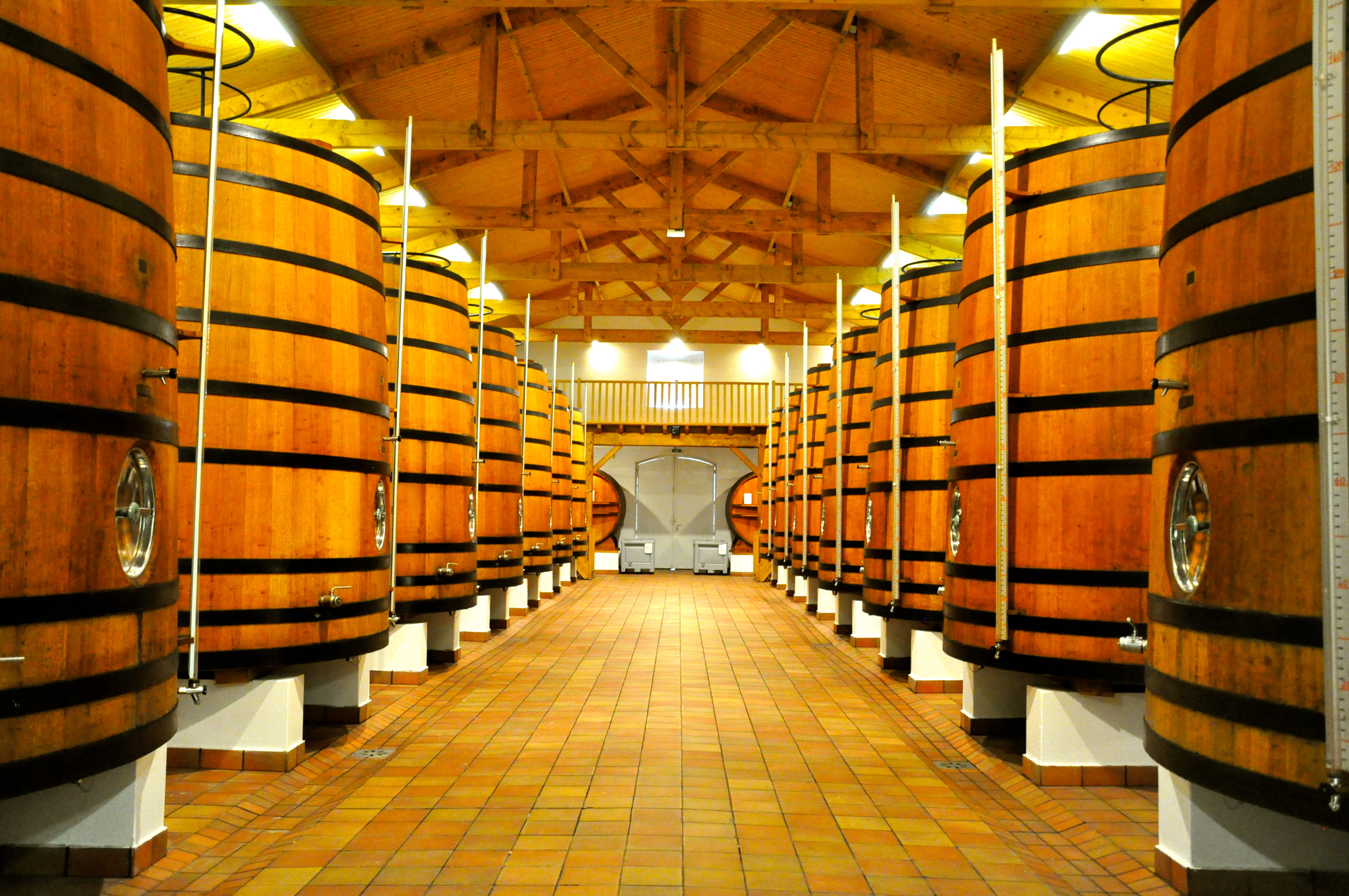
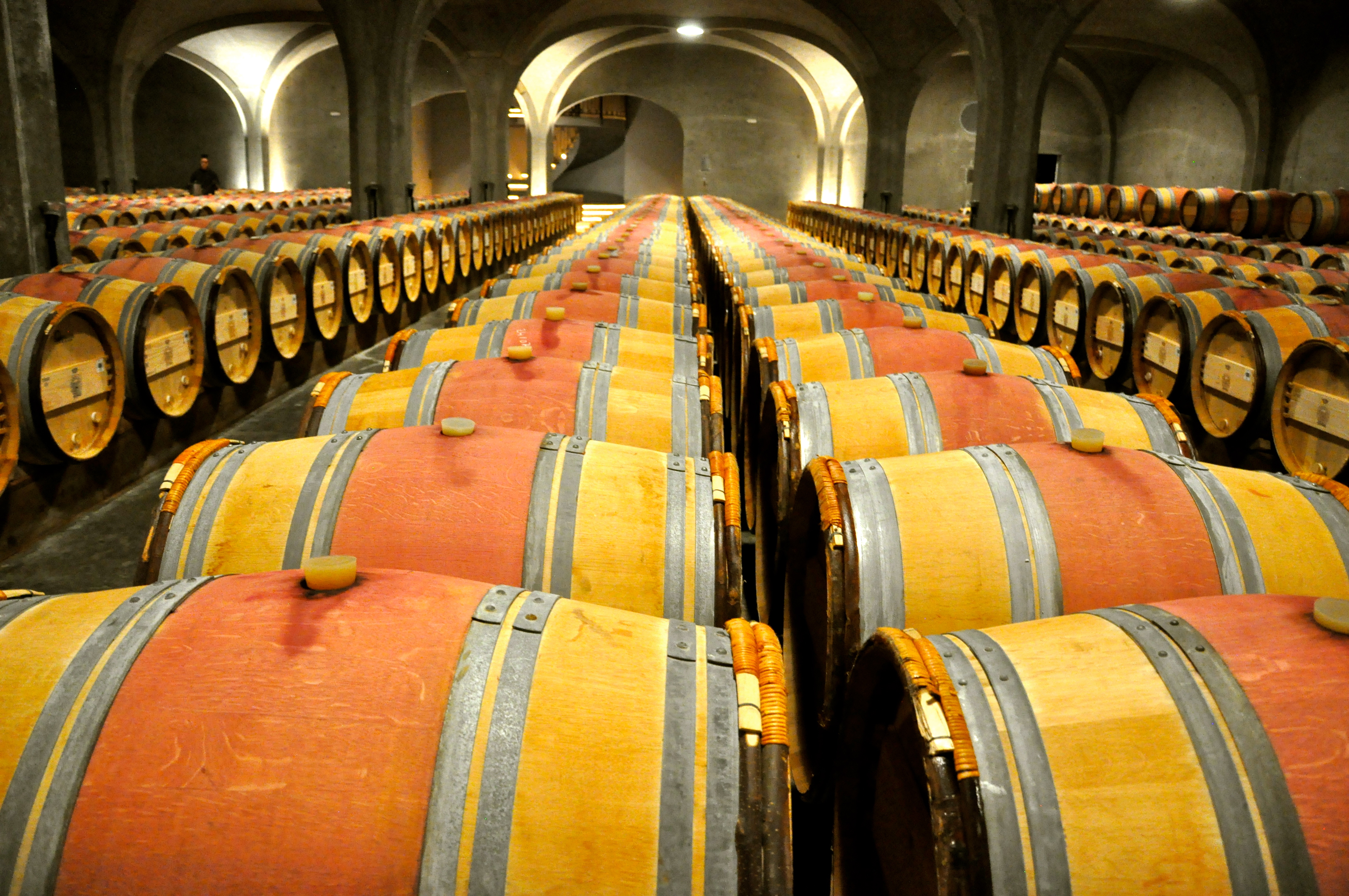
Beautiful wood tanks

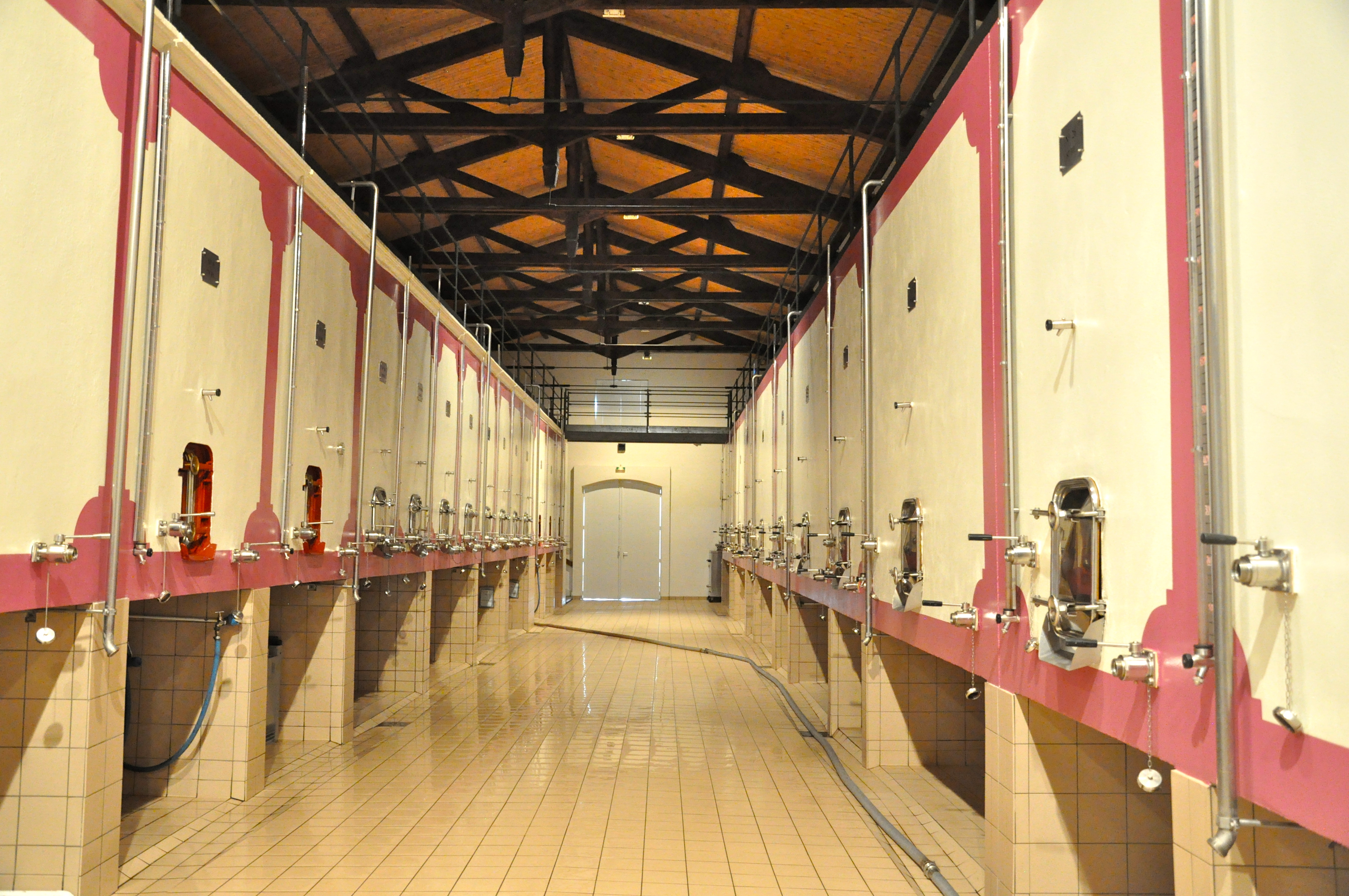
Spotless and immense concrete tanks

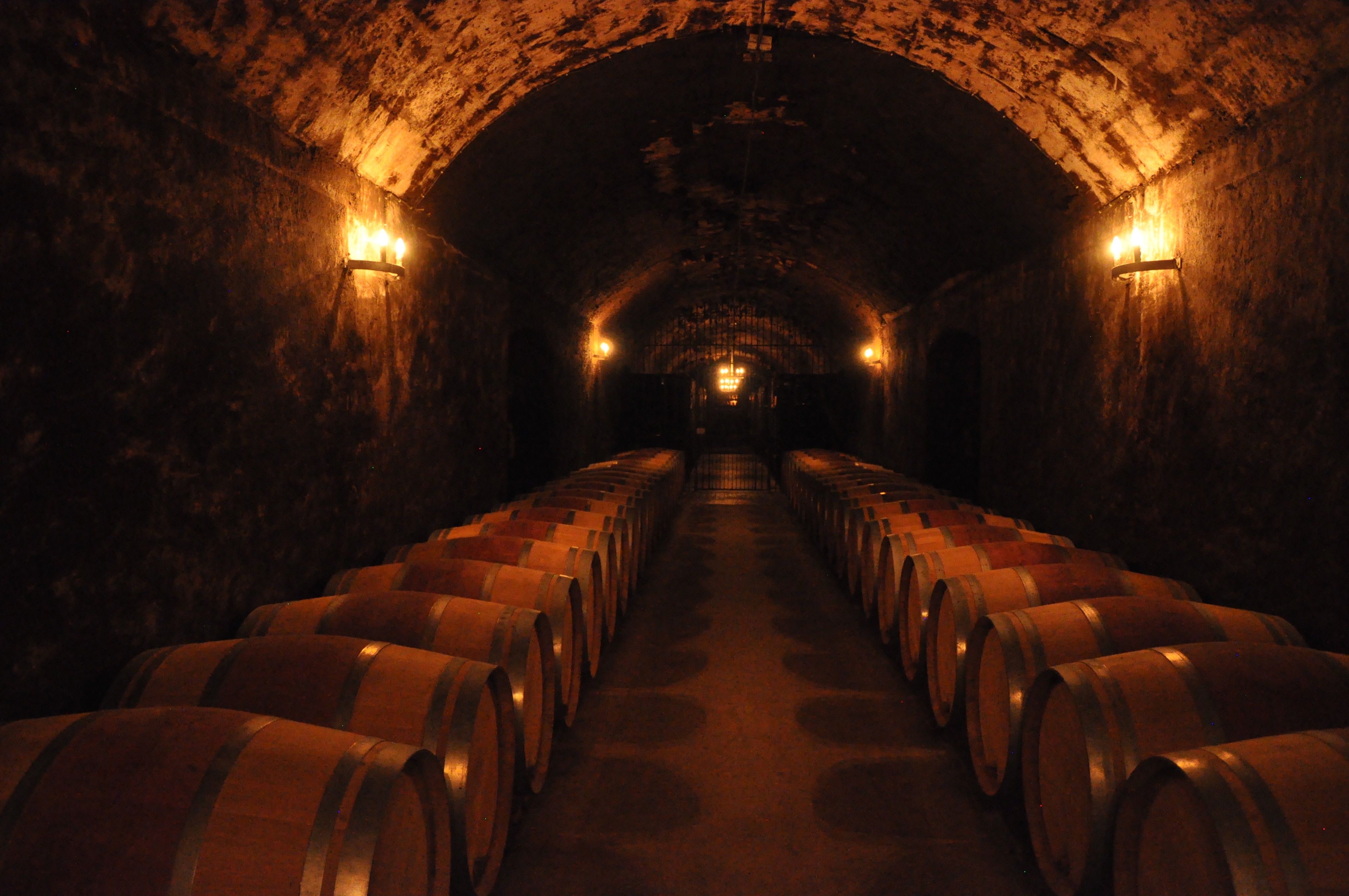
Lines of barrels in the old basement

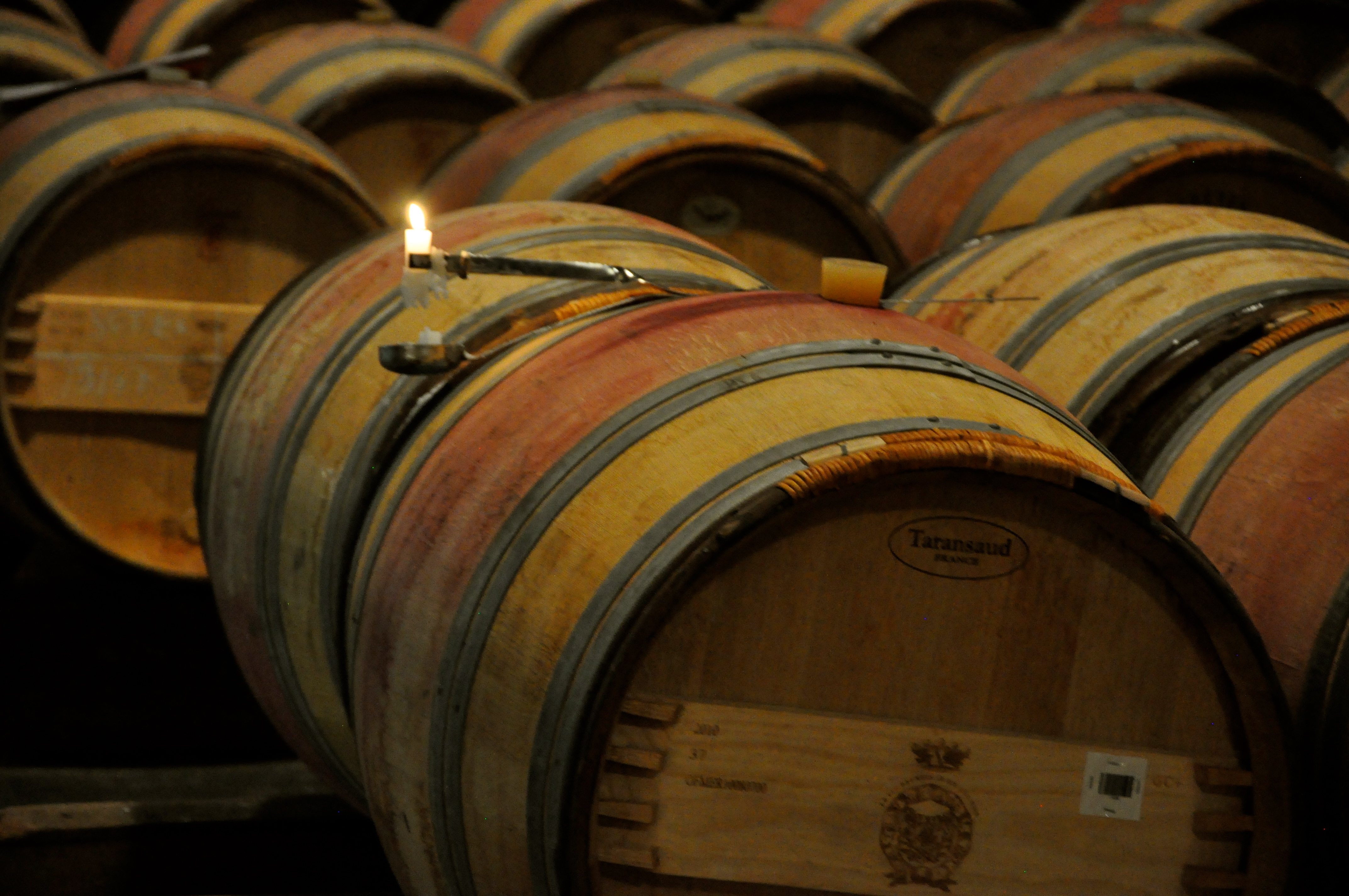
Old world racking technique

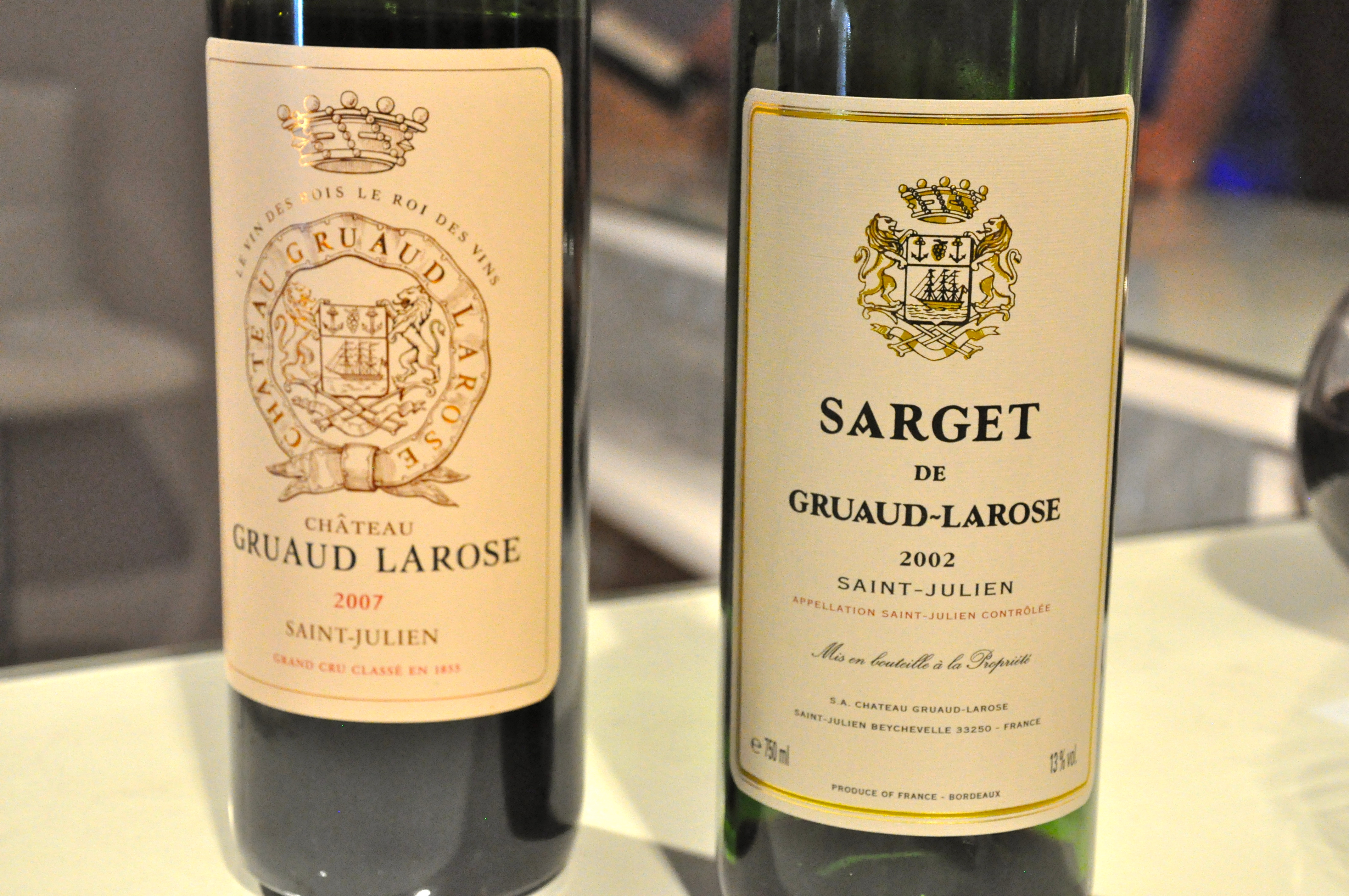
Unlike Saint-Émilion,some of the Médoc have two types of wine.  They call it first and second label.   The first retails for higher. The second makes use of the wine from vines not deemed to be qualified for the first label…maybe younger, or a specific plot not included for some reason.  That way, they can still keep the first label quality and price up, while still using the marketing benefit of their name on a less expensive bottle.

Our tasting. These bottles retail for about 100 euros and 80 euros each. We didn’t buy any.

When we were tasting, our guide mentioned that she recently had a Russian client who bought a 1200 euro bottle, just to taste.   I would guess she was pretty disappointed she got us that day.

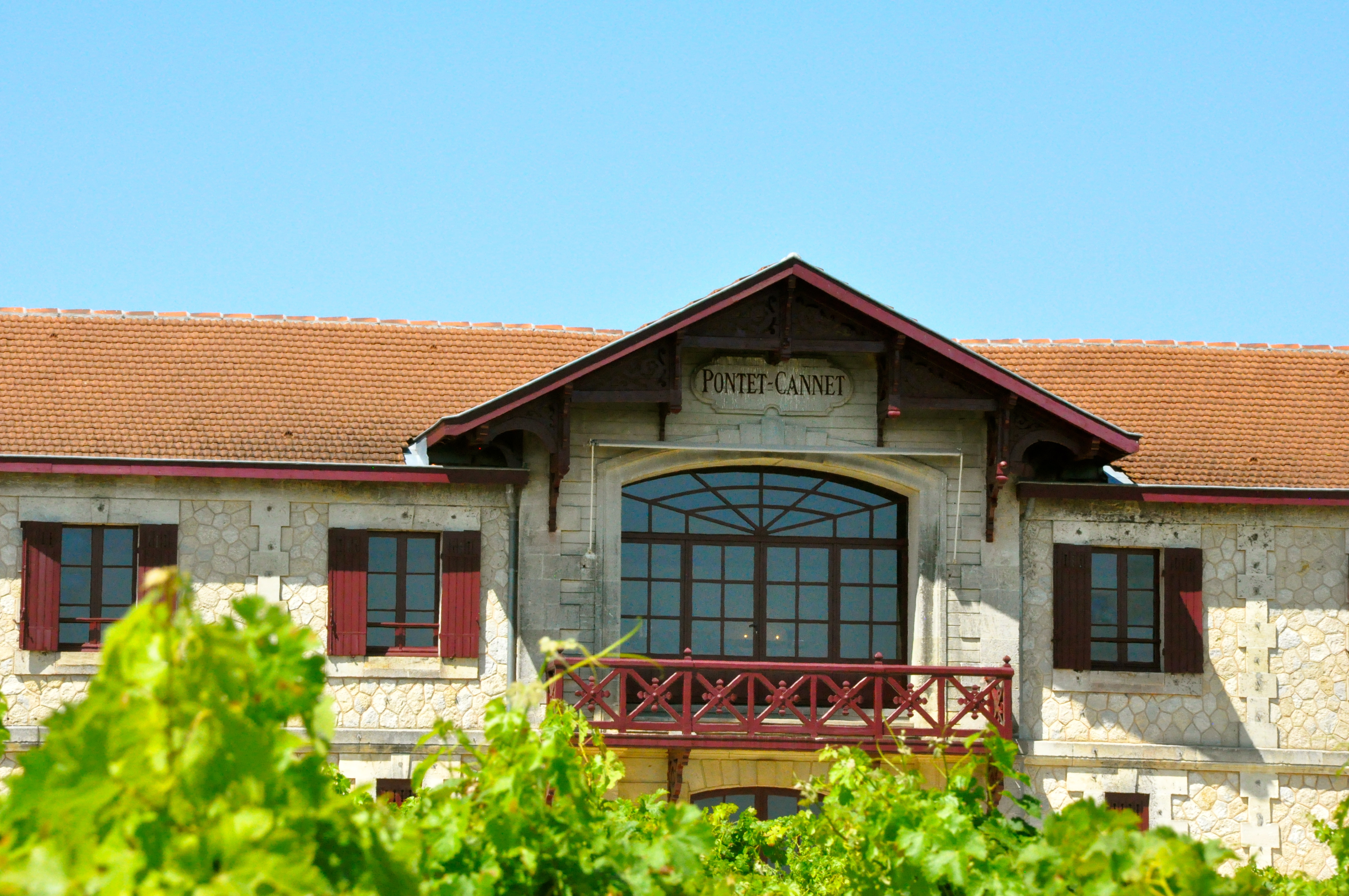
After a charming lunch in Bages, we headed on to our second château, Château Pontet-Canet.  This one is a cinquieme (5th) but is such renowned quality and technique, it prices for higher than deuxieme / 2nd.   It doesn’t make any sense and is a fault of the current classification system.

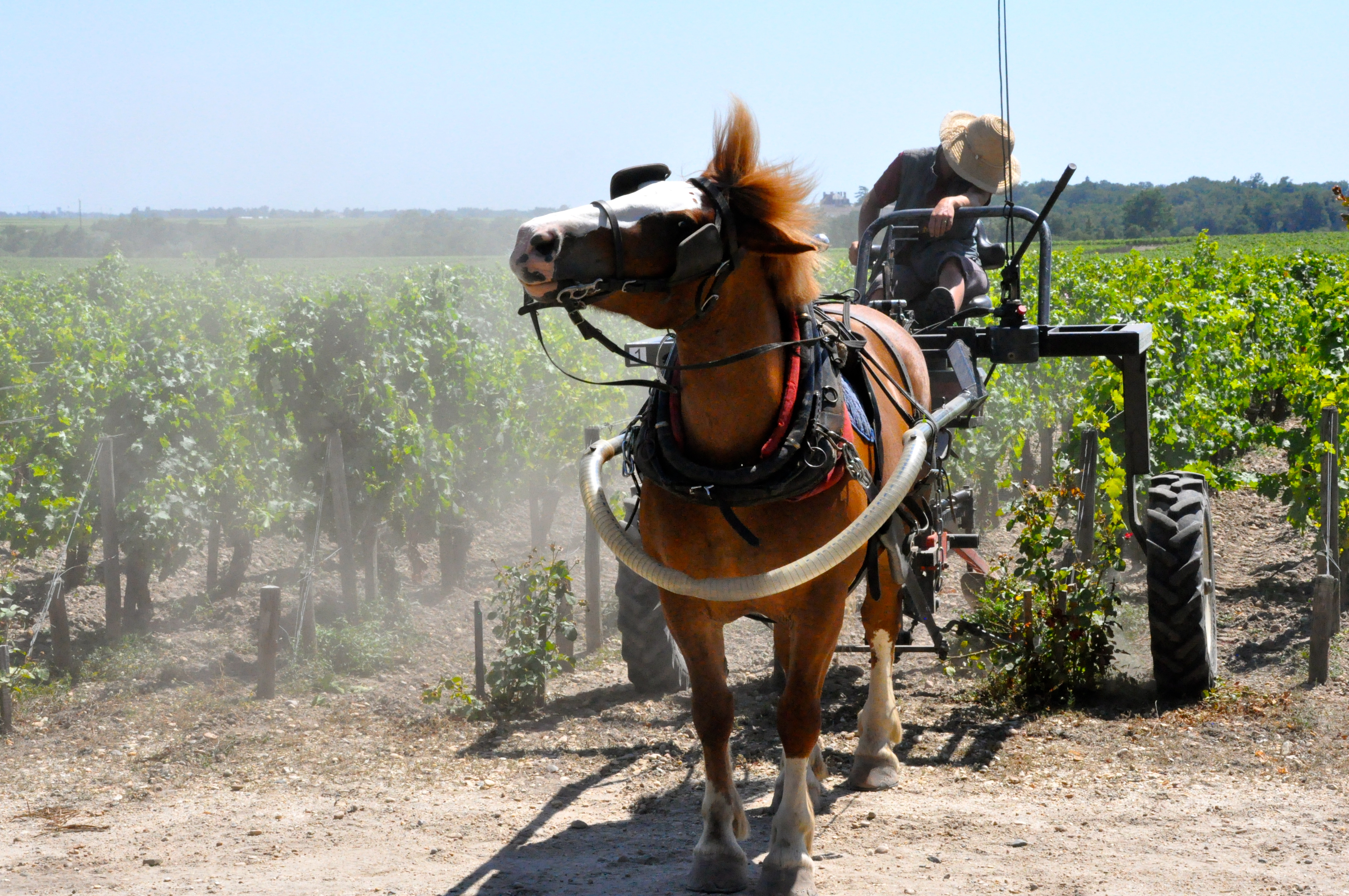
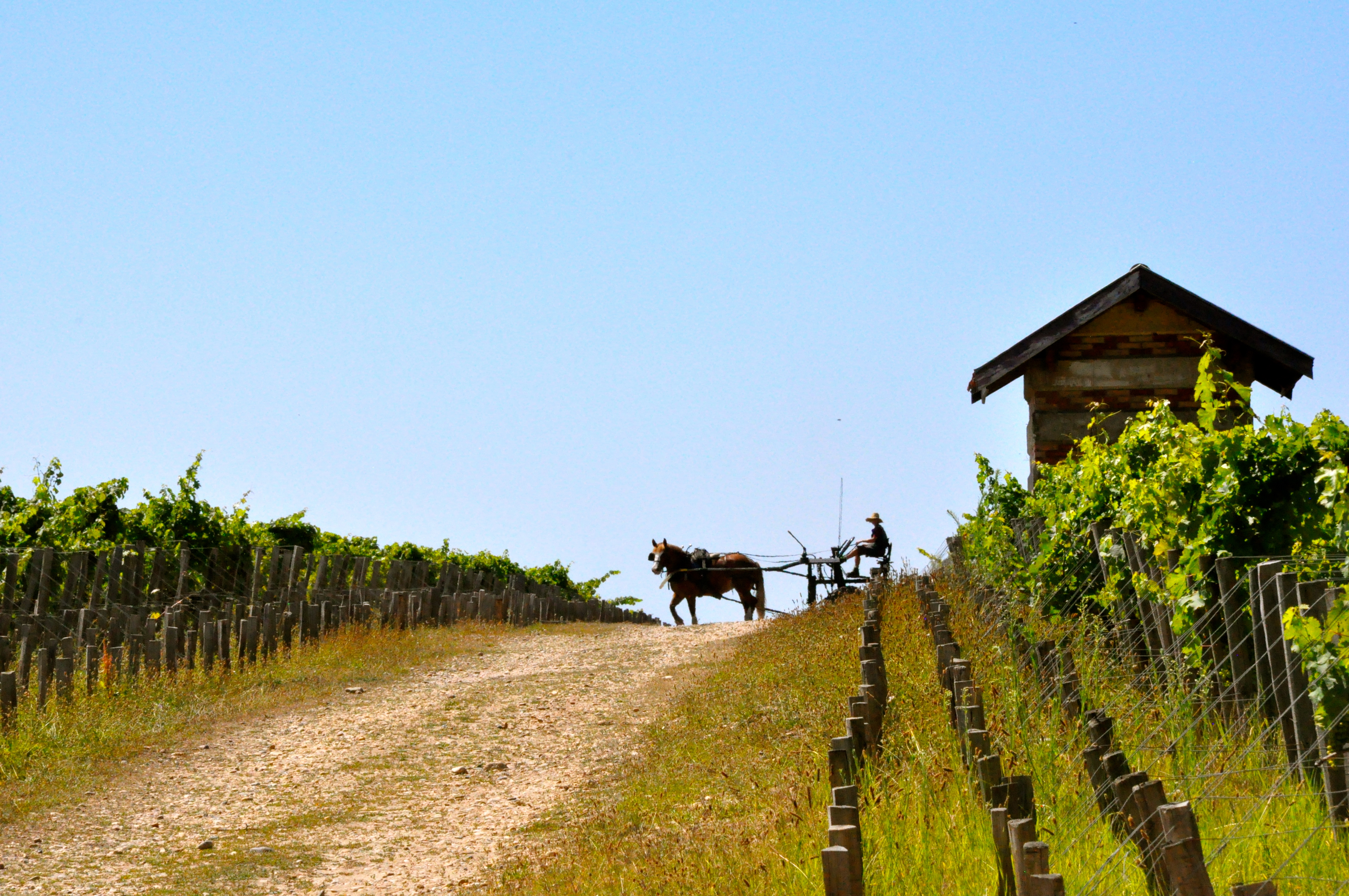
The most interesting thing here was that they were organic & biodynamic.  As such, they had stopped using tractors and other heavy equipment, and had gone back to the technique of horses.    They had created special carts that allowed weeds to be picked out of the vineyards by horse-drawn cart:

Horses hard at work

Taking a break.

I thought that was really neat.   Just like our first chateau, this one boasted immaculate facilities:

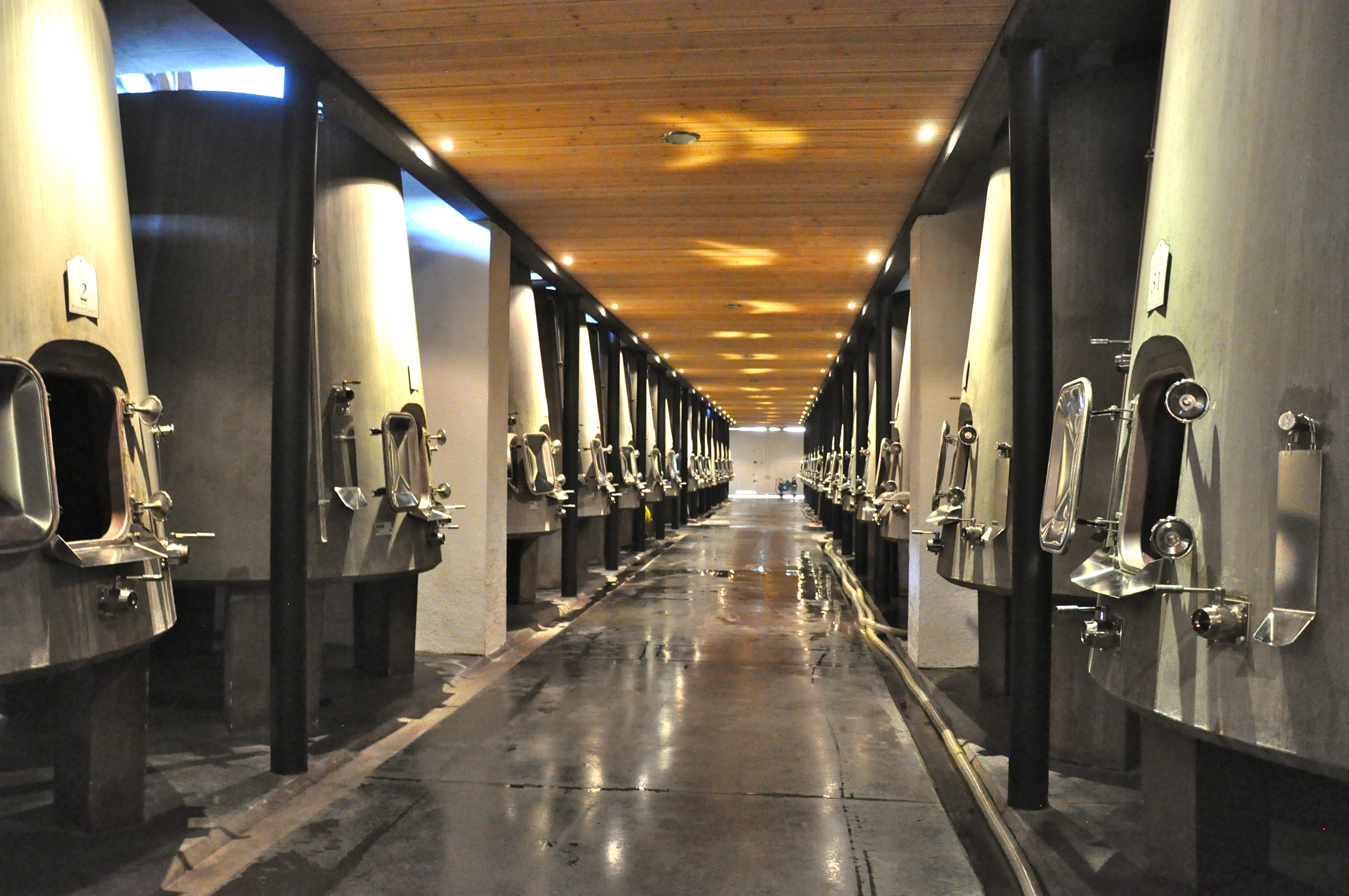
Concrete tanks

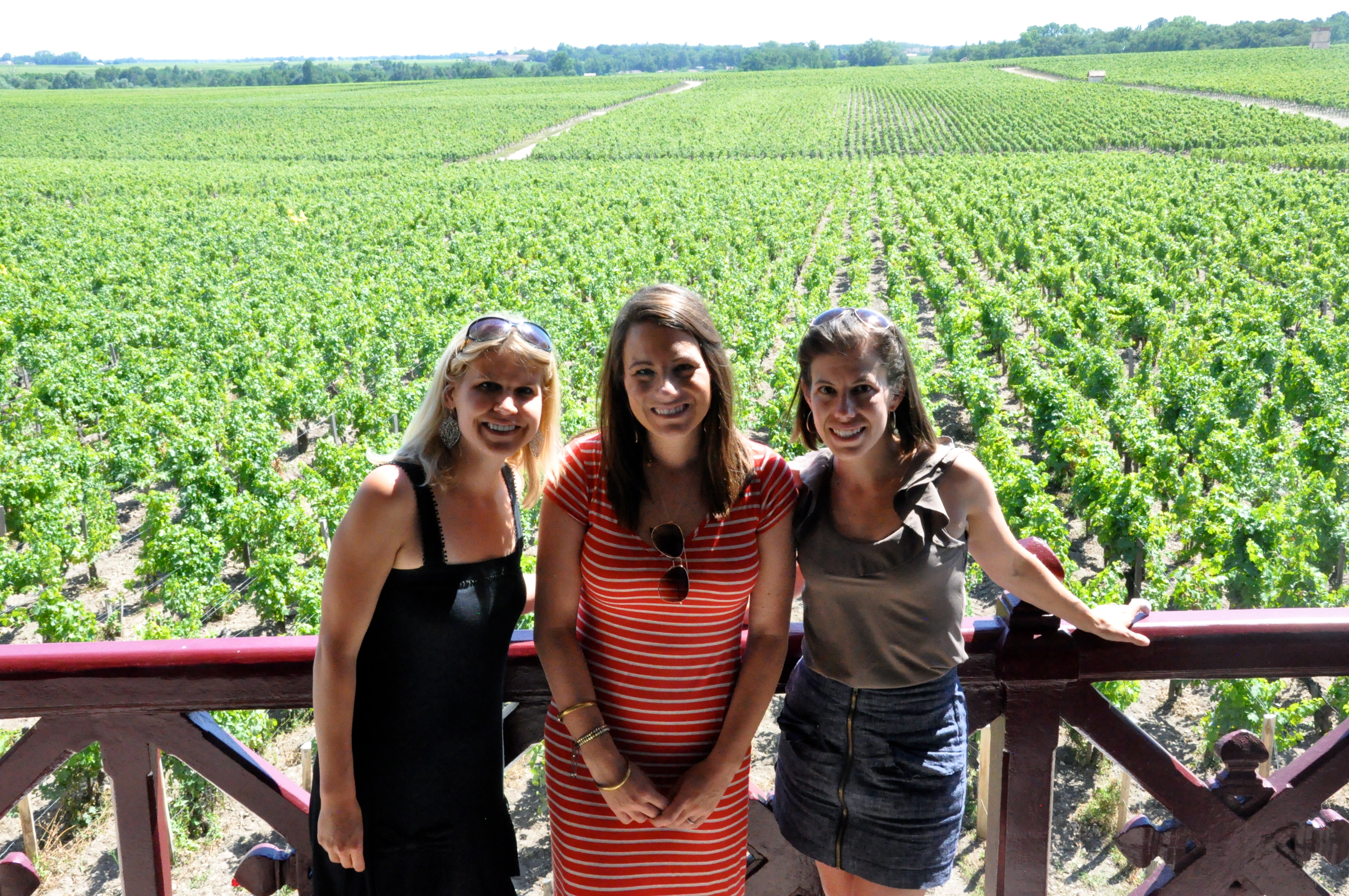
They called this terrace, “The Ocean of Vines”

Cellars at Château Pontet-Canet

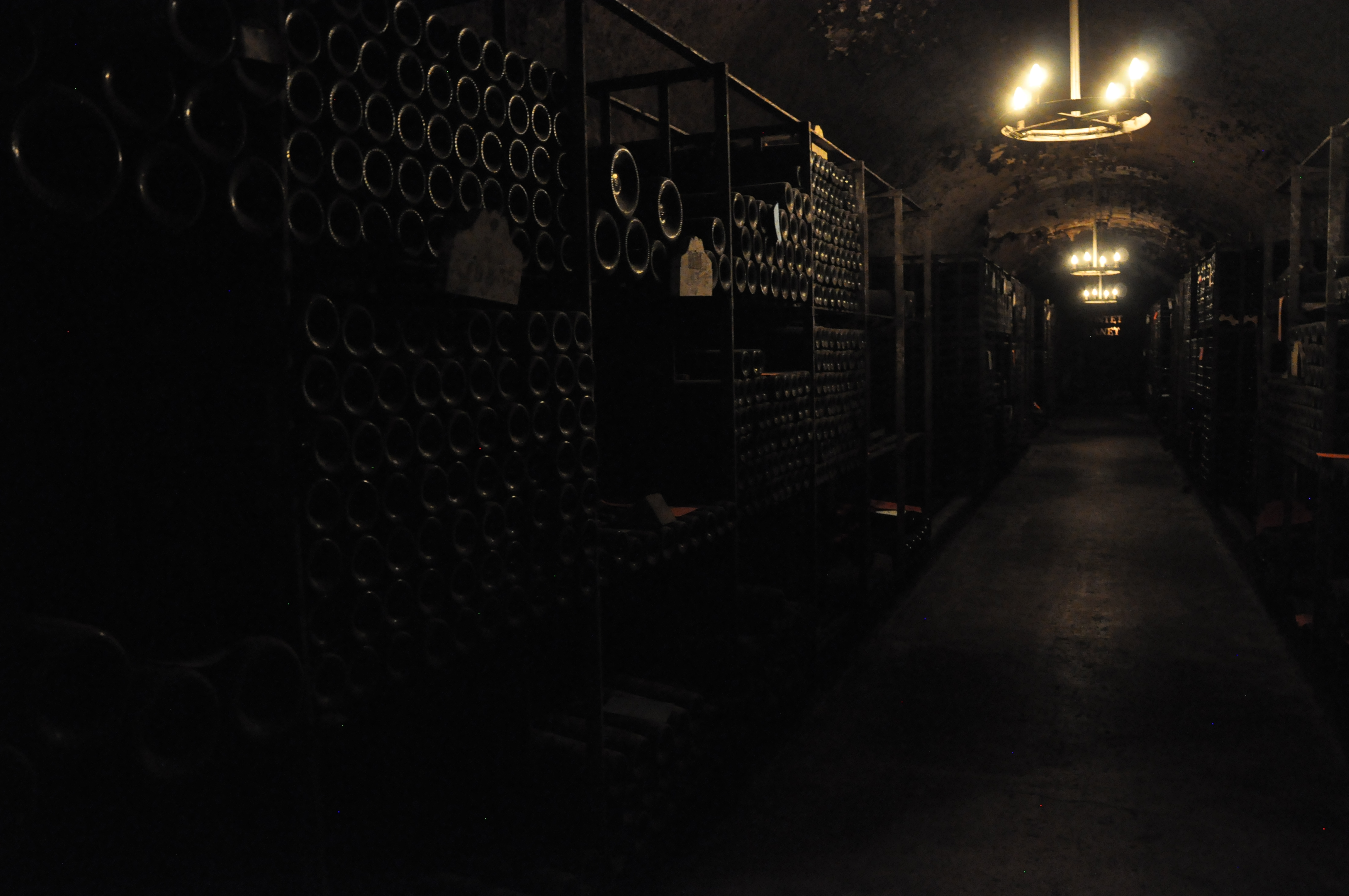
The “library” of old vintages

Our tasting. We had the 2007 which was 68 euro a bottle. The 2008 jumps to 130 and keeps climbing. Didn’t buy here either!
It was really nice to see this famous wine region.   It is unlike any I have ever visited.  Too bad our budget keeps us from actually purchasing the good Bordeaux stuff!

Related Links:

The Wine Doctor:  Bordeaux Classifications

The Swiss Watch Blog: Adventures in Bourgogne Wine

The Swiss Watch Blog:  Getting Intimate with the vines in St Émilion

Getting intimate with the vines in Saint-Émilion


Our first stop on our Bordeaux regional wine tour was the little town of Saint Émilion, where we were staying.   We had wanted a blend of these small family-owned wineries in Saint-Émilion, along with the larger châteaus in Médoc.

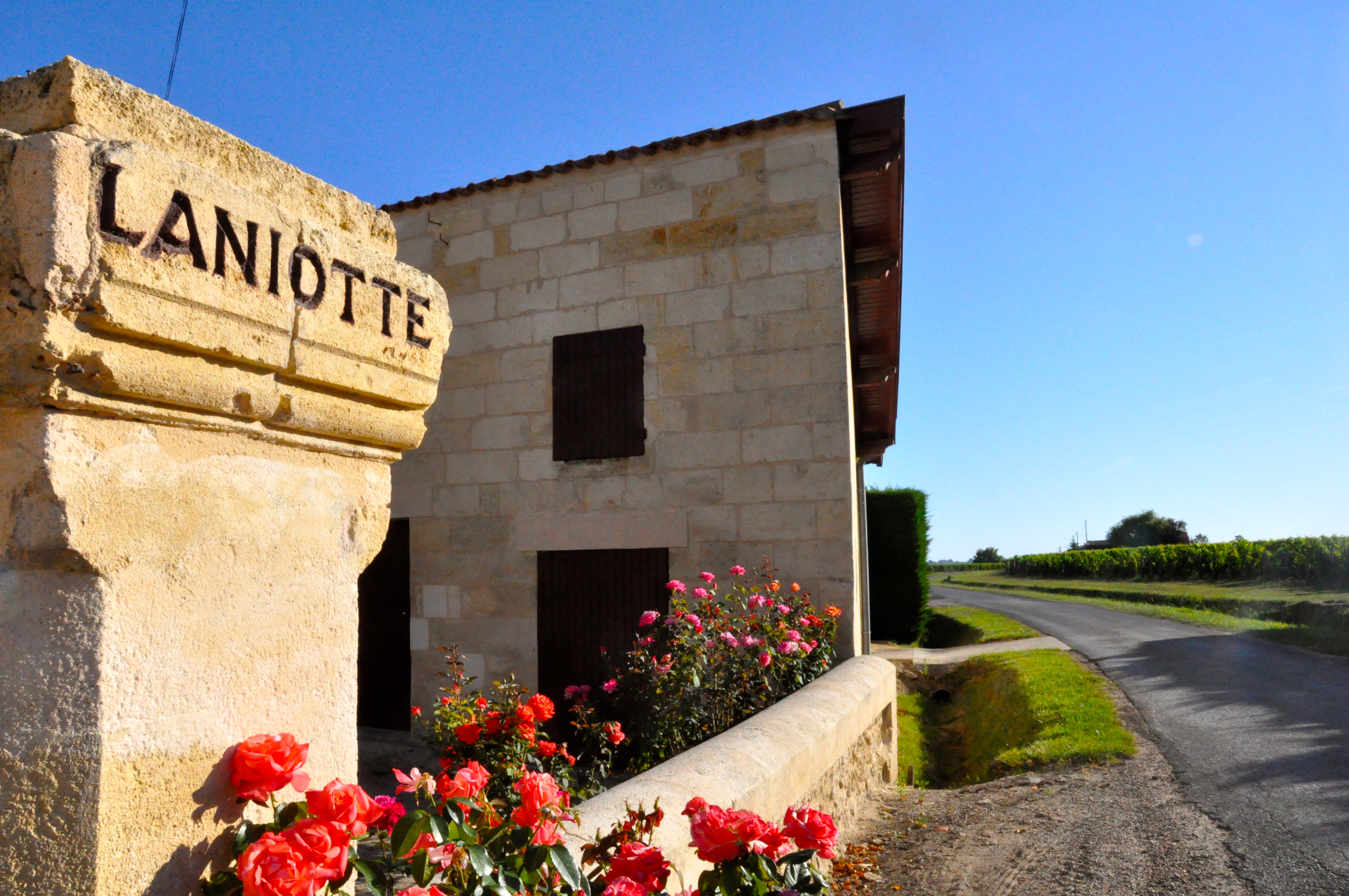
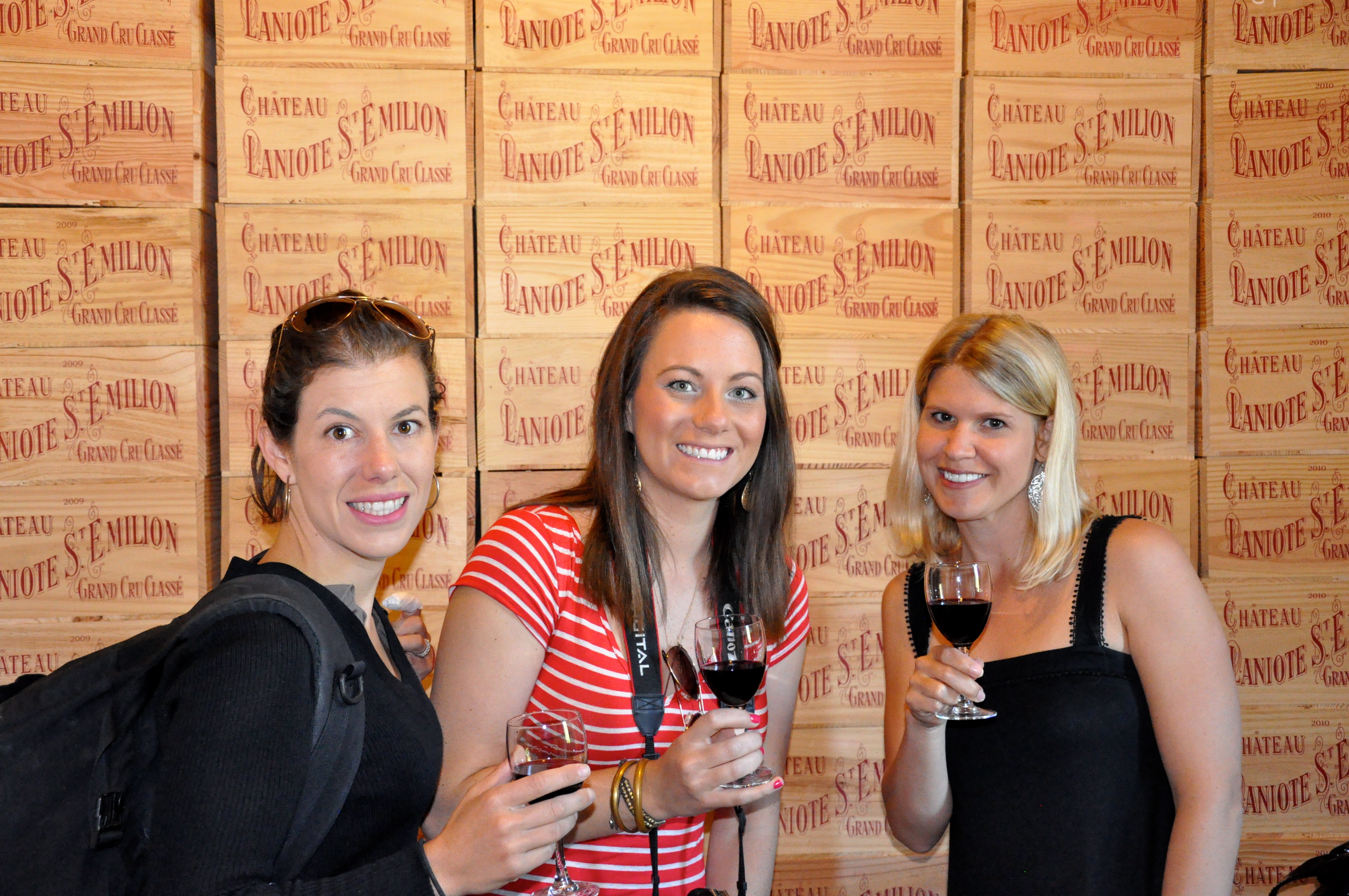
We stared out at Laniotte, which is family owned.  The man who runs it is actually a baron.  However, you wouldn’t know from his humorous personality.

Laniotte winery

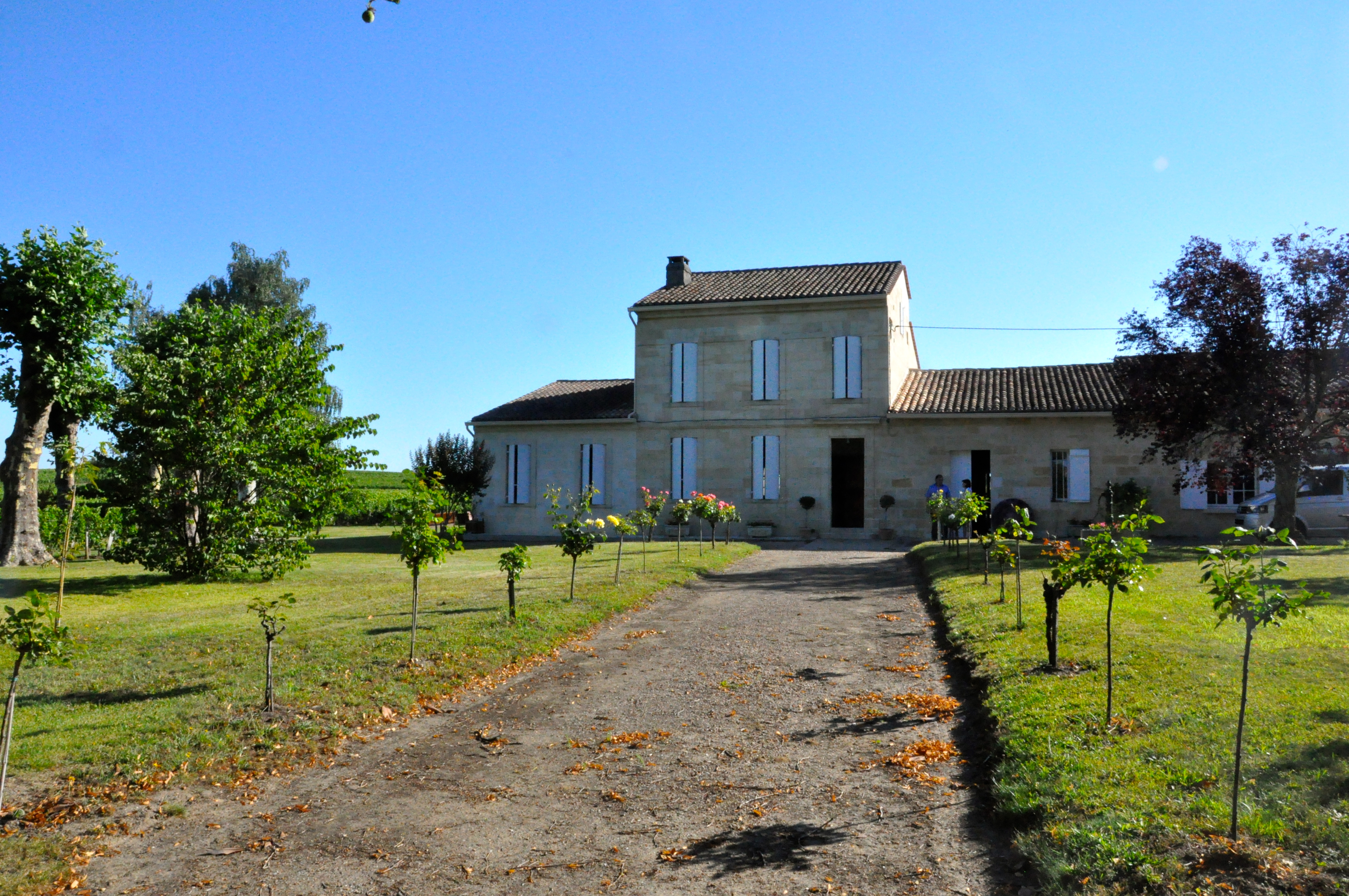
Farmhouse / winery at Laniotte


One thing that was interesting to me was that these small wineries only produced one wine.    In the US, one winery might have a Cabernet Sauvignon, a Merlot, and a variety of whites.   Not here….they made one.

And the classification is very important.   At this winery, their product is a “Grand Cru”.   We had learned about cru designations when we went tasting in Burgundy last Fall.  In that region, they were given the designation: Grand Cru, Premier Cru, Village level, or Regional AOC.

However, here in Saint Émilion, the best was Premier Grand Cru, and the next was Grand Cru.

Still different nomenclature from Burgundy.   Confusing, huh?


Packing room of their wine:  A Grand Cru Classé


The owner’s wife was a chemist.  She explained to us how they sometimes used the pure juice from the vats.  However, sometimes the pressed grape juice was added.  It just depended on the year, and what the wine “needed” in order to reach its best formulation.


The crusher

The press

This winery produces 60,000 bottles a year.   Not bad.   At the time, they were racking.   Racking is the process of moving a barrel of wine into another barrel.

Enjoying our small personal tour of Laniotte

I am familiar with wine tanks which were used in the fermentation process.  However, most of the time, I had seen stainless steel.  This was the first concrete one I had seen.   The winemakers said concrete helps retain the temperature more constant.

My first time seeing concrete tanks


The result?   Nice.

Our tasting. More like a full glass.  Very nice for a bottle that retails for 32 euros. 

We enjoyed meeting the family and tasting their product.

Enjoying our taste.  Mind you, this is 9am. 

While tasting, we asked if we could explore the vines.   We had noticed that the vines in this region are more squarely pruned.  It is hard to tell from this photo, but they looked more manicured compared to those I had seen.

Checking out the vines

Later that night, we had more time to get “intimate” with the vines, as we took a little post-dinner walk through some of the terraces of Saint-Émilion:


Vineyards at dusk

Vineyards, very close to the town center

Terraces at dusk.  Aren’t they well “manicured”?

Sun setting on Saint Émilion’s vineyards

Vineyards going into town

Night falls on the vineyards


We witnessed a world record

When we were in Venice, I wanted to show everyone St. Marks Square.  When R and I went back in 2007, we loved sitting in the square at night, listening to dueling orchestras and enjoying a $20 ice cream.

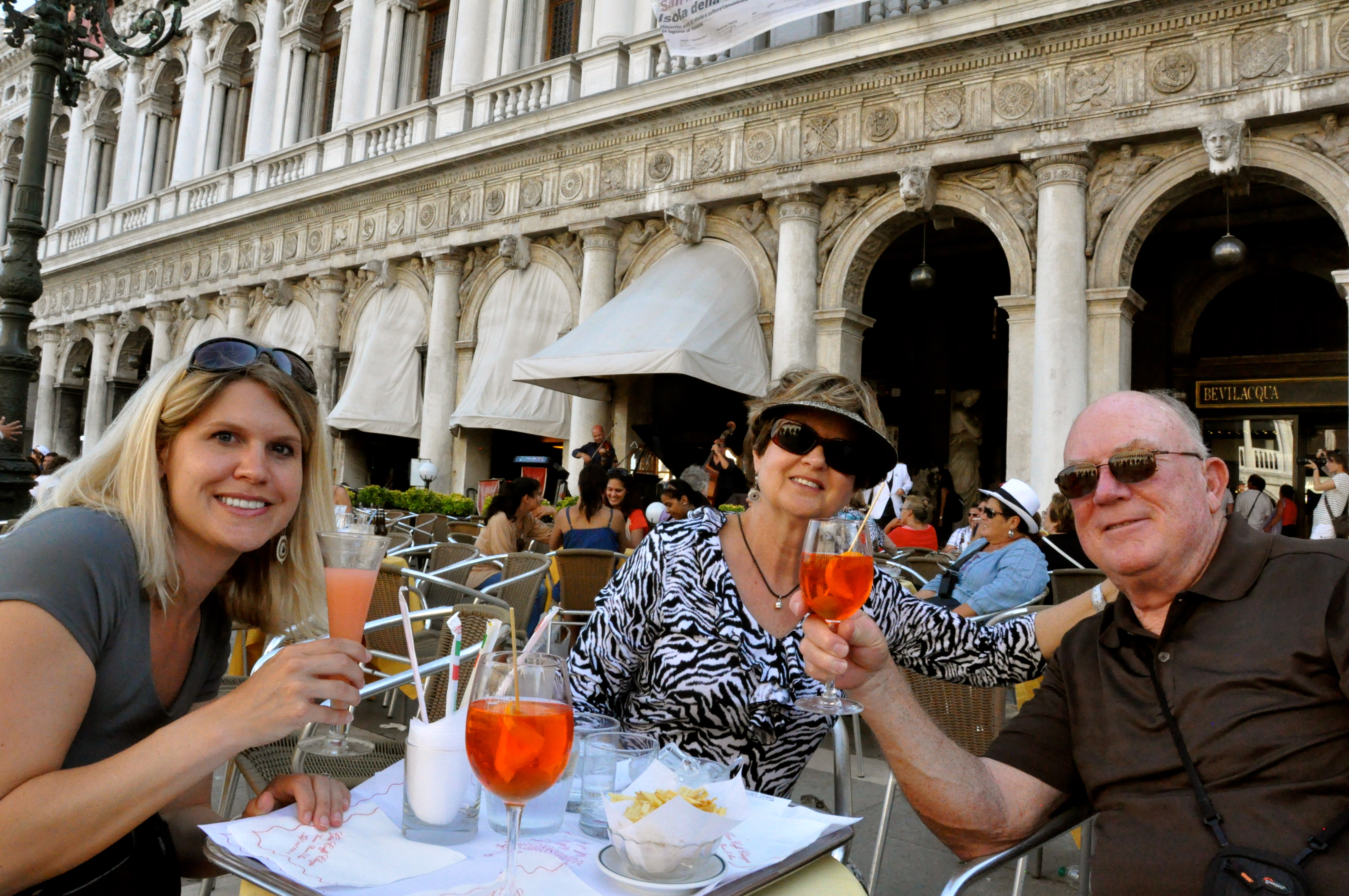
So, we headed to St. Marks on a vaporetti (bus  / boat ) from our hotel.    Vaporettis are great direct and affordable transportation in Venice.  They also allow you to see the canals.   But in the summer, they can be hot and crowded.  We were in need of some refreshment immediately after docking, so we had a round of drinks across from Doges Palace before heading towards the area.

Me with a Bellini. Gabe & Solid with Spritz’s. Twin with water.

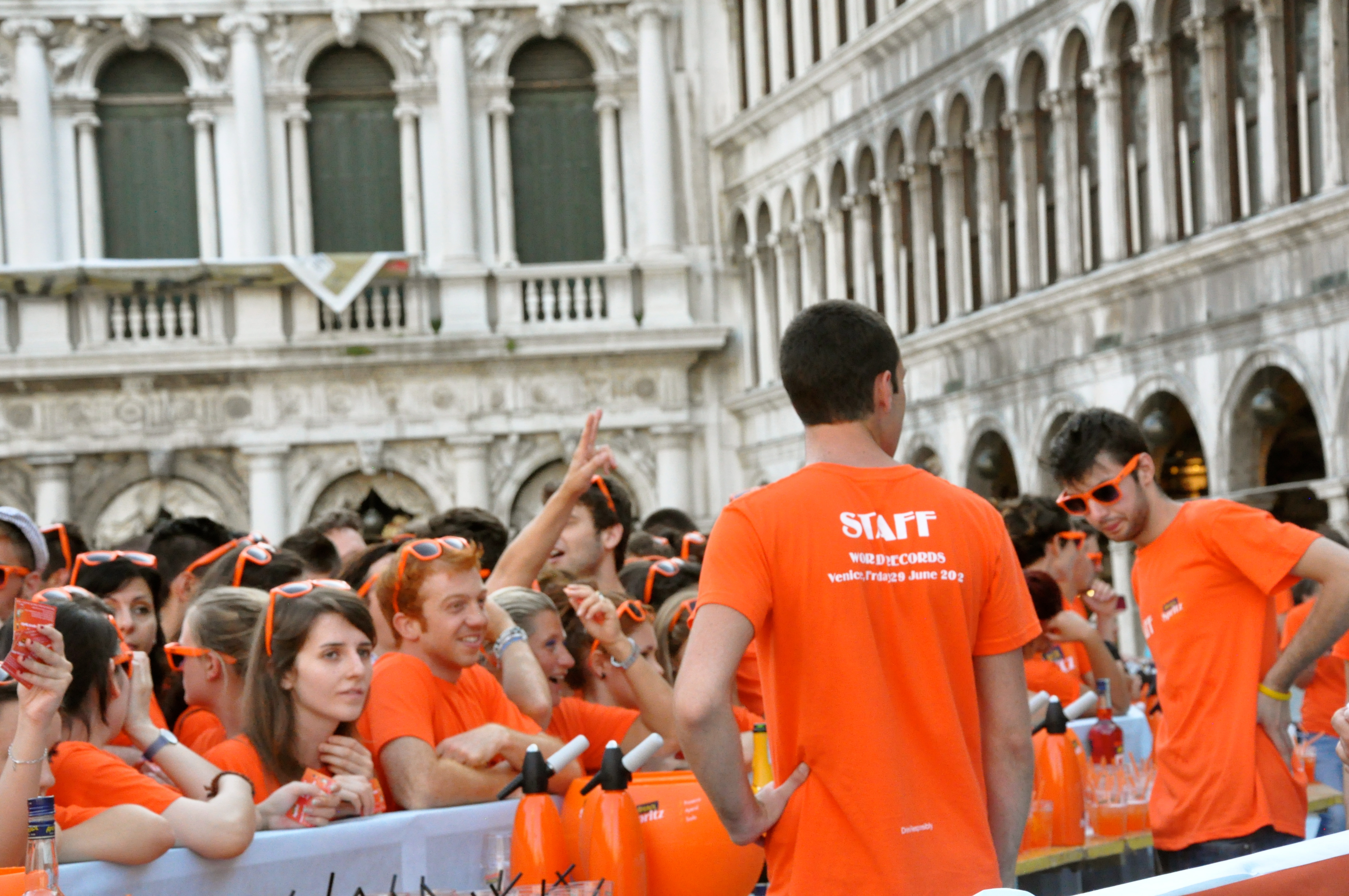
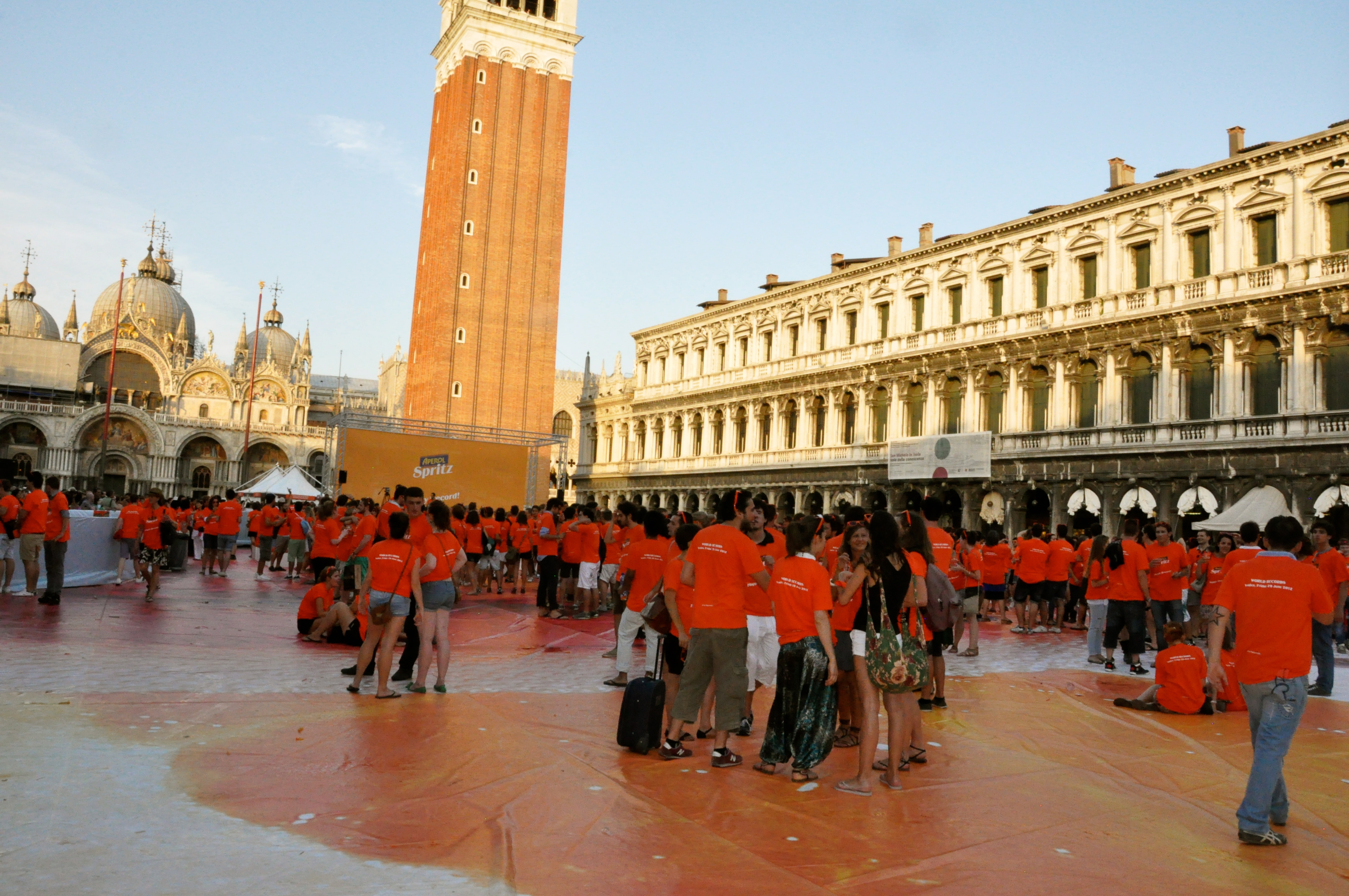
However, when we approached St. Mark’s, all we saw was orange.

Aperol set-up in St. Marks Square

Aperol was hosting “The biggest Spritz toast” in St. Marks Square.  You could simply just walk up, get a free tee-shirt, and join in with free Spritz’s.  We were tempted.  But it looked crowded.  That is how you know you are getting old…turning down free Spritz’s because of not wanting to be in a crowd.

Revelers waiting for their Spritz

A Spritz is 3 parts Prosecco (Italian sparkling wine), 2 parts Aperol, and 1 part club soda.   They are usually served with an orange slice.  Sometimes, they are served with a yummy olive too.    This mainly happens in Italy.

Gabe always orders a Spritz for an aperitif when we go out to our favorite Italian place in Geneva, Luigia.

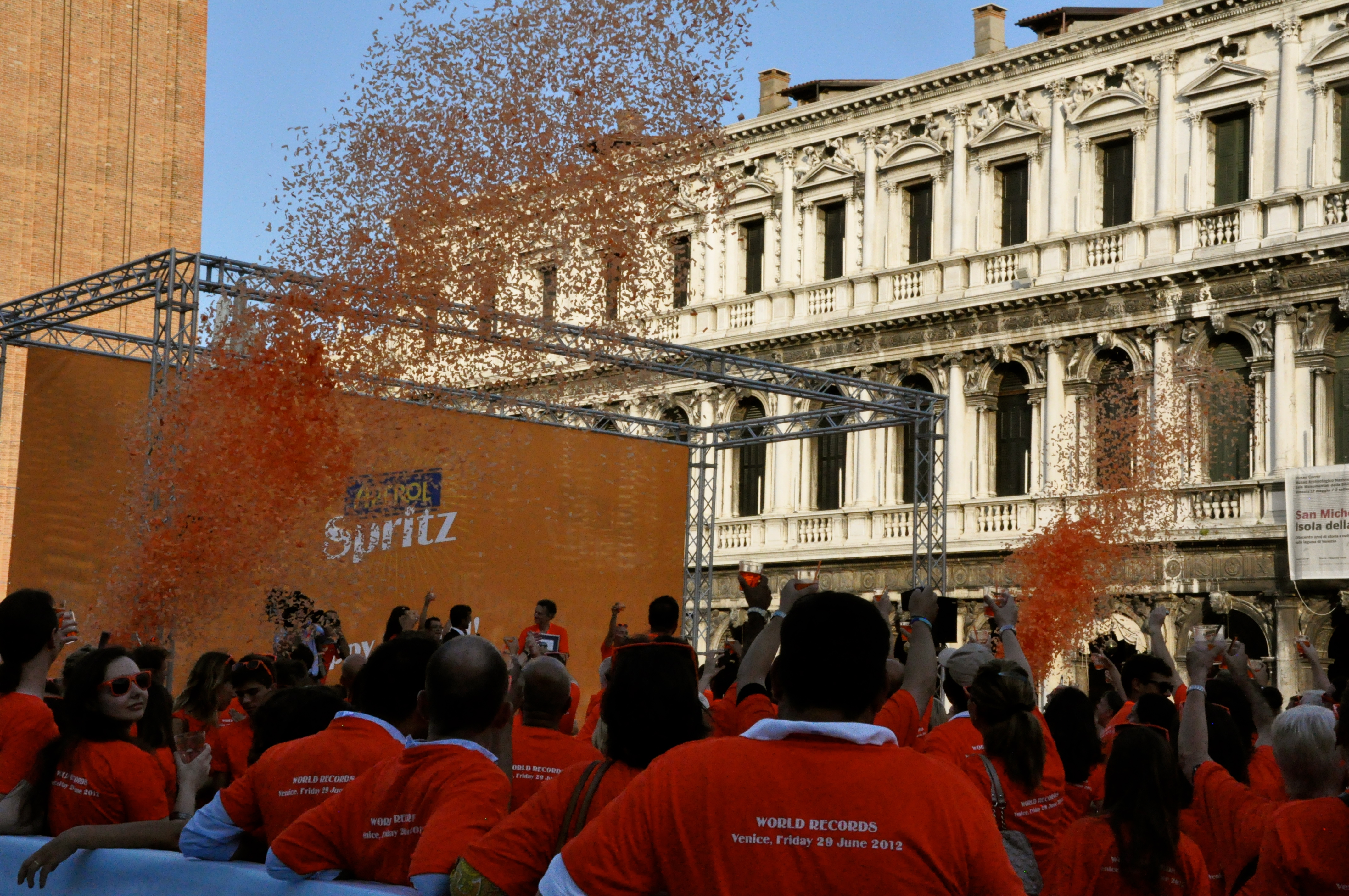
Announcing the world record

The moment everyone was waiting on (or not really waiting on, some people had empty glasses by then)

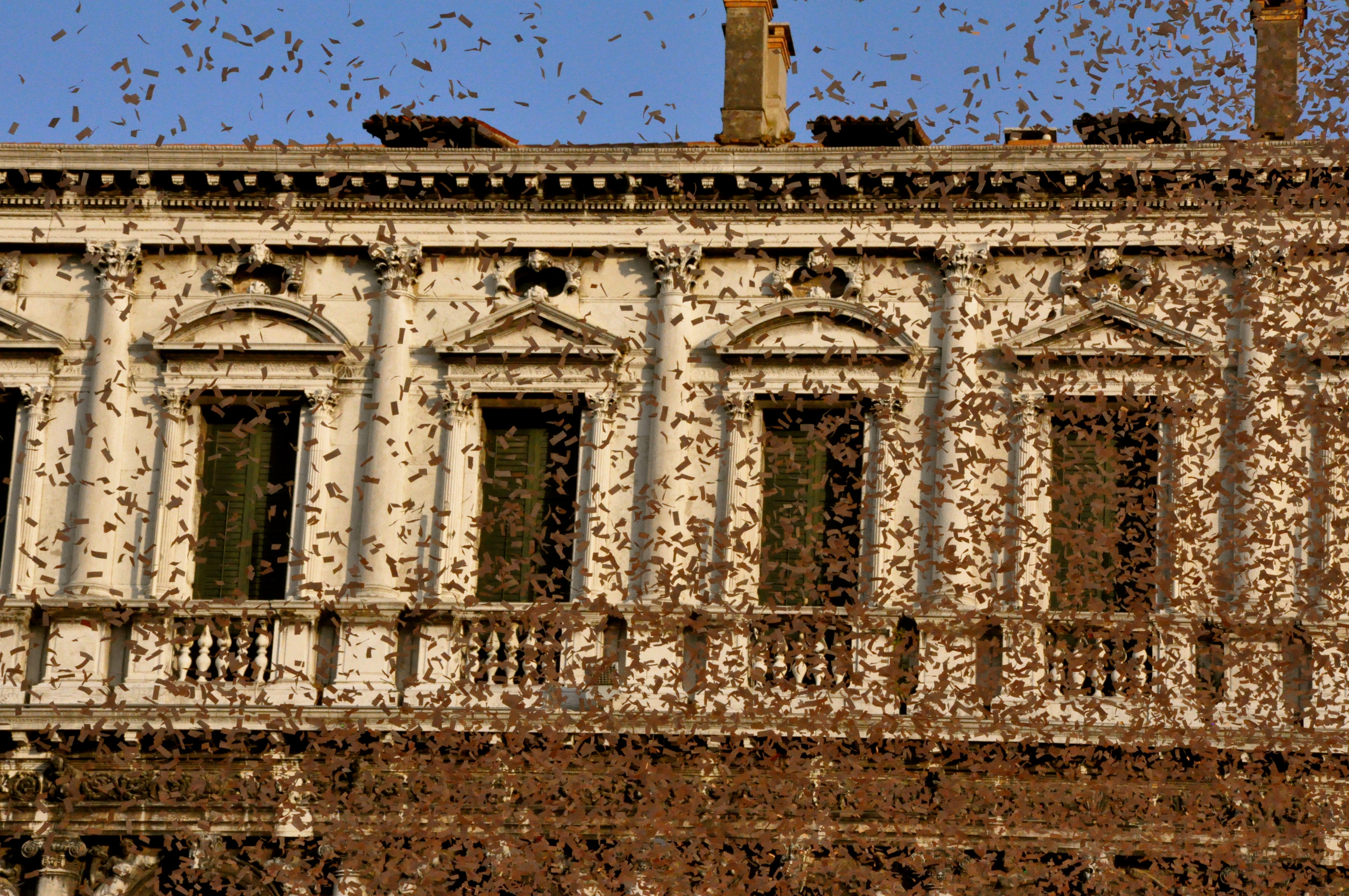
Cue: launch the confetti canons

The sky was all orange confetti

Congrats, Spritz, on your world record.

More Summer Fun at Montreux Jazz Fest

We went to Montreux this weekend for the 46th annual Montreux Jazz Festival.  Even though I had taken Twin & Solid while they were here, I still wanted to go back.  This marks my fourth time and Gabe’s 3rd time going to the festival.

A round trip train ticket from Geneva costs 25 CHF each for us to go, but it is a fun summer activity.

A very pleasant ride from Geneva – an hour total and 25 CHF with your half fare card and 10% SBB discount for attending the JazzFest (no ticket required).

Everyone thinks we are weird that we don’t buy tickets for the shows.  My physio gave me a very quizzical look.   But, the free music is lovely.   You just simply show up to the park, find a spot and listen to your heart’s content.  The shows start about 3:30 on weekdays and 2:00 on the weekend and play back-to-back with 1/2 hour or hour breaks in between.

Taking in the scene, listening to a South African band.

Pants optional. Dogs are allowed. As demonstrated by this gentleman.  To his credit, the lake is right there.


If you feel like walking around, there is plenty to see and do.  There are a ton of vendors selling handcrafted goods.

Also the food is pretty yummy.  Gabe and I justify our expenditure on 25 CHF train tickets + festival food = cheaper than a low end restaurant in Geneva.

Image courtesy of Henry Birmingham from last year. The paella guys were back again this year.


Some people wander to the end of the festival to enjoy the swimming.  This is one of my favorite docks.

Lovely dock on Lake Geneva – Montreux.

This year, you could watch the gliders come in and try to land on the orange pad.

Coming in for landing….


Approaching…

Boom!

Freddie Mercury even enjoyed watching them a time or two.

Freddie Mercury tribute statue in Montreux.

The festival runs until this Sunday, July 15th – I’d encourage you to check it out!

The Little Train That Could….Drink Wine.

We love the Lavaux region.   The wine terraces are magical.   Twin had read my blog before their visit and had really wanted to stop in because of our rave reviews.

There are many options for seeing Lavaux.    If you have a car, you can drive through leisurely.   I do warn you that it is difficult.  S may have accidentally driven on a wine road not meant for cars.   Gabe found it challenging when we drove from Chexbres down to Rivaz with Couch Surfer.

You can also take a train.  I knew of two tasting spots accessible by train.  One is Vinorama nearby the Rivaz stop (bottom of the hill).  It has a lovely tasting room featuring hundreds of Lavaux wines and also a really well-done video which gives you more information about the UNESCO World Heritage Site.   The other is called Le Deck.  We haven’t been there but A & A raved about the magnificent terrace.   You can reach it by car, or by train via Vevey at the Chexbres-Village stop (top of the hill).

You can also hike the region.  The women’s club hosts a magnificent hike every fall during harvest.   I did it and enjoyed it, but it was 5 hours from St. Saphorin to Lutry, which is a little challenging for me.  You can design your own hikes by researching distance and picking a starting and stopping train station.

Lastly, I had recently heard about the Lavaux Express touristic train.   Before E-dawg came, I had listed it as an option since my feet were still recovering and I can’t drive our car, Frau Hilda.   However, we ran out of time.   I had honestly forgotten about it until I read Swiss Wife’s blog and saw her pictures.

So, Twin, Solid and I decided to try it out.   The little train schedule can be found online.   It only goes at certain times and actually on differing days it switches between Lutry and Cully.   Since we did it on a Wednesday, we left from Lutry, which was adorable in itself.

Port at little town of Lutry

Driving through Lutry’s cute streets on the Lavaux Express

Starting our ascent

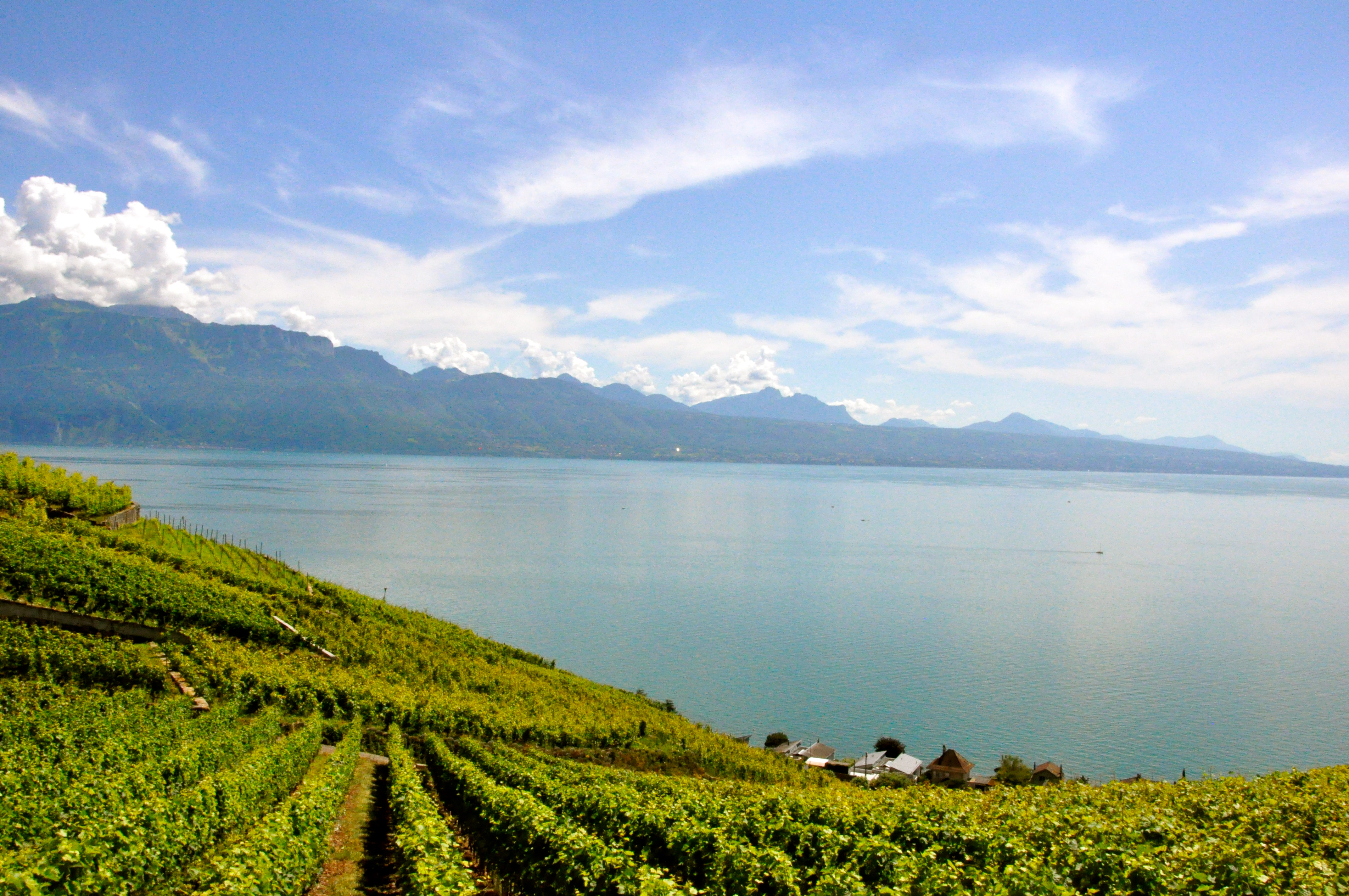
The terraces are what Lavaux is known for

Rolling vineyards into Lake Geneva

The Swiss Wife had warned us that the daytime trains didn’t serve wine.  There is a 6:30pm weekend one that includes a taste, but we were going during the week.  So, we were prepared so that we wouldn’t be disappointed.

However, surprise, surprise….halfway through, the driver pulled off and their was a little hut with a lady offering tastes for 3 CHF.  So, we decided to partake.

Twin tasting Lavaux Pinot Noir

Solid exploring the vineyards with his glass of wine

The train was 13 CHF for adults.  We considered it a great value in order to get to see the vineyards without a car (and if you aren’t up for hiking super steep terrain).

Related Links:

The Swiss Watch Blog:  Lavaux Wine Tasting

The Swiss Watch Blog:  Gratitude Friday: My French teacher.

Swiss Wife Style:  All Aboard The Lavaux Express

Schwingen In Switzerland:  Stopping at Lavaux

Schwingen In Switzerland:  St. Saphorin

Schwingen In Switzerland:  Lavaux

The Land of Chocolate and Cheese

Switzerland is known to be the land of chocolate and cheese.  So, when Twin and Solid were in town, we had to partake in both delicacies.

It is possible to do a Chocolate & Cheese train out of Montreux.   However, it runs around 99 CHF a person.  We figured that we’d be driving through the lovely canton of Fribourg (which is home to both stops on the tour) enroute to Luzern, so why not do it ourselves?

We set off from Geneva around 9am.  We made it to Broc, Switzerland in about an hour & a half.  Broc is the home of the Cailler Chocolate Factory.   You may recall we visited this yummy destination with Couch Surfer when it was raining.   However, with my mom being a severe chocoholic, we didn’t need to wait for rain for a visit, it was a #1 priority.

Arrival at Cailler, in the middle of the Alps

I had decided to skip the hour long tour this time, having done it before with Couch Surfer.  Gabe, however, wanted to make sure that Twin and Solid were okay so he volunteered jumped at the chance to do it a second time.

Tasting the cocoa bean

Smelling the hazelnuts

I consider it a good thing he went because he could supervise Twin.  I thought I might get a call from the factory forbidding us to bring guests anymore due to her love of chocolate.  I’m sure she can eat more than her 10 CHF worth that the price of admission costs. They do let you have how much you can consume in the tasting room.

Checking out the Branches being made.

Checking out the selection. I’d advised her to hold out to the end. It’s where the high-end yummy dark chocolates are given out.  They liked the coffee flavored dark ones the best.

Overall they enjoyed Cailler.   They gave it a thumbs up:

If its not gluttony enough to indulge in chocolate, Switzerland keeps its other fabulous agricultural delicacy close-by….Gruyere cheese.   The little hilltop town is just 10 minutes from the Cailler factory.

Doesn’t get much cuter than Gruyeres

The cows welcomed us……

Mooo!!!!!  We make yummy cheese!

How adorable is Gruyeres?

Aww….

Something must be in the air in Gruyeres!

We all decided that maybe we should skip the cheese tour.  After all, we had indulged enough.

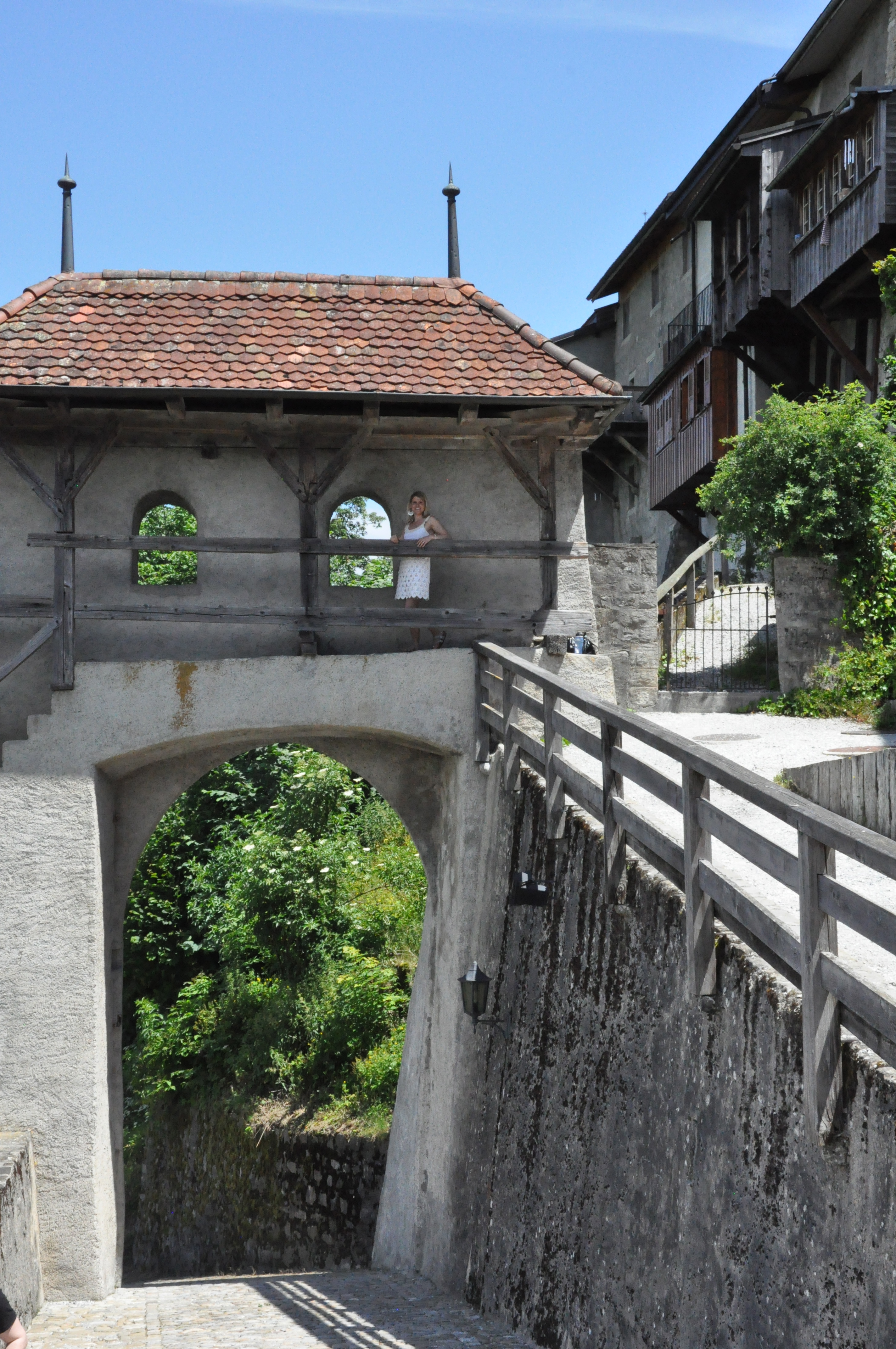
Instead, we decided to explore the castle grounds and the ramparts of Gruyeres, known for its defensive position on the hilltop.

Me climbing the ramparts.

Luckily, we didn’t skip tasting Gruyere cheese altogether.    Look at the smile on Solid’s face when he ordered a Croque Madame in nearby Chateau D’Oex a few days later…

A happy man…

We also had a good fill of Swiss cheese in Wengen when we stayed an overnight there.   More to come on that!

Related Links:

The Swiss Watch Blog:   Cheese Wars

The Swiss Watch Blog:   It’s Raining – I guess we have to go to the chocolate factory

The Swiss Watch Blog:  Famous Swiss Foods – Cheese

The Swiss Watch Blog:  Famous Swiss Foods – Chocolate

The Swiss Watch Blog:  Guests:  What to Expect out of a European Hotel

Copenhagen Cuisine & Nightlife

If you are wondering how Rhubarbara Streisand and Kung Foolish got their blog names*, look no further than our bar tab at Kung Fu II in NØrrebro.

They were appropriately named because Rhubarbara Streisand happened to be on the continent because of her job as a market manager at Purity Vodka, whose headquarters are near Malmo, Sweeden.   If you haven’t heard of it, you should.   It’s 34 times distilled and the smoothest liquor that Gabe & I have ever tried.

It’s meant for mixology – the art of science of cocktails.  Bartenders use seasonal ingredients, even herbs and spices to deliver a drink that resembles more a work of art than the type of cocktail I was used to seeing.   They also come with creative names, such as the ones we selected for our visiting friends blog names.

Rhubarbara’s colleague had recommended Kung Fu 2 to her, as they had this type of mixology.   We were a little skeptical as the name sounded like a fast food chinese place.  However, what we found couldn’t be further from the naive expectations we had.

Enjoying a drink at Kung Fu 2 / Isakaya bar

The Rhubarbara Streisand drink – amazing!! It was made with homemade rhubarb soda which was in season and accentuated the Purity.

The wasabi gimlet made with Purity. Wow.

After cocktails, we were seated at our table and we selected Omakase service.  This basically means that the chef recommends a tasting menu that is brought out slowly.   We loved all six small courses, thoroughly enjoying every one.

Kung Foolish & Rhubarbara Streisand

We’d highly recommend Kung Fu 2 and sitting in the bar area.  The barmen were incredibly experienced and they really created an enjoyable memory for our first night in Copenhagen.

The second night, we went to Radio.  It was listed as the 2nd best restaurant in Copenhagen.  Noma is the 1st and impossible to get into because it is actually also the 1st in the world since 2010 (although our friends Lady J & The Man scored a reservation at Noma).

We felt fortunate to get a table at Radio, even though it was 5:30.  Early bird special.

Radio, image courtesy of Nile Guide

The food was absolutely incredible.  Five courses of inventive Nordic cuisine, including amazing homemade bread, a salad with foam dressing, asparagus starter, fish, meat and a tasty pear dessert.  Gabe opted for a sixth, a pork belly, that came prior to dessert, and claimed it to be the best.   He is still talking about it.  Anyhow, Radio left us full and happy.

After, we walked to Salon 39, recommended by Rhubarbara’s colleague.  The barman, Michael, was a friendly chap who entertained us as we sat in the old-world style cocktail bar.  We loved watching his creative take on our request for Purity.   My favorite drink of the weekend came from this charming place, the Eucalyptus Daiquiri.

Image courtesy of Salon 39

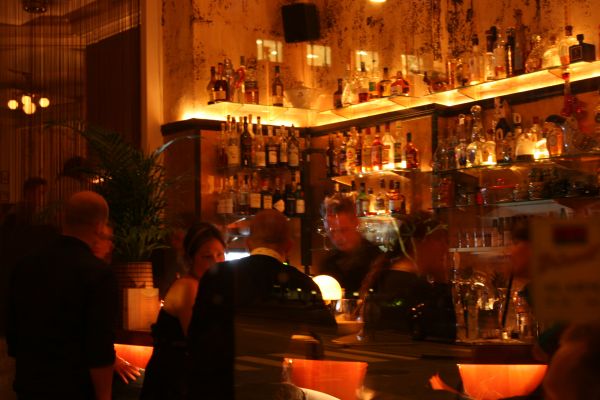
After a round, we moved onto Ruby’s Cocktail Chronicles in the centre city.  When we arrived around 10pm, there was already a line.    The interior was really neat – it felt like we’d taken a step back into the Roaring 20’s and we enjoyed the scene while we sipped our cocktails.

Ruby’s image courtesy of worlds best bars

After a drink, we moved onto a bar by Kung Foolish’s requests – Charlie’s Bar.  He’d heard from two separate people as being the best bar in Copenhagen.  We got beers and sat next to a local and soon we were engaged in a 2 hour conversation that lasted until 2am.

Image courtesy of Flick river

It’s always fun to run into locals when enjoyed the nightlife in a city.   It really is the best part to learn about the culture and feel of a place.   This guy was really interested in why we selected Copenhagen to visit.  We explained we’d only heard good things and loved the water, the food and the progressiveness of the city.   Our conversation varied from everything to the triathlon he’d just participated in, to healthcare, to public transport, and politics.   After an enlightening evening, we said farewell, jumped into a cab and headed home.

So, Copenhagen gets a great review for food & drink.  If you head to this Nordic city, expect a happy belly.   Living in Geneva, we need to experience this every once in awhile 🙂

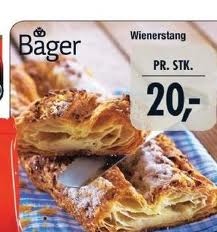
*Most everyone on our blog has a “blog name” to protect their privacy.  We started calling everyone by their first initial until Henry Birmingham asked if he could suggest a name.  Since then, we force ask everyone to come up with a name.  If they don’t, we come up with it ourselves.  For instance, Kung Foolish’s was going to be Weinerstang after this interestingly named Danish pastry:

Animals of Ireland

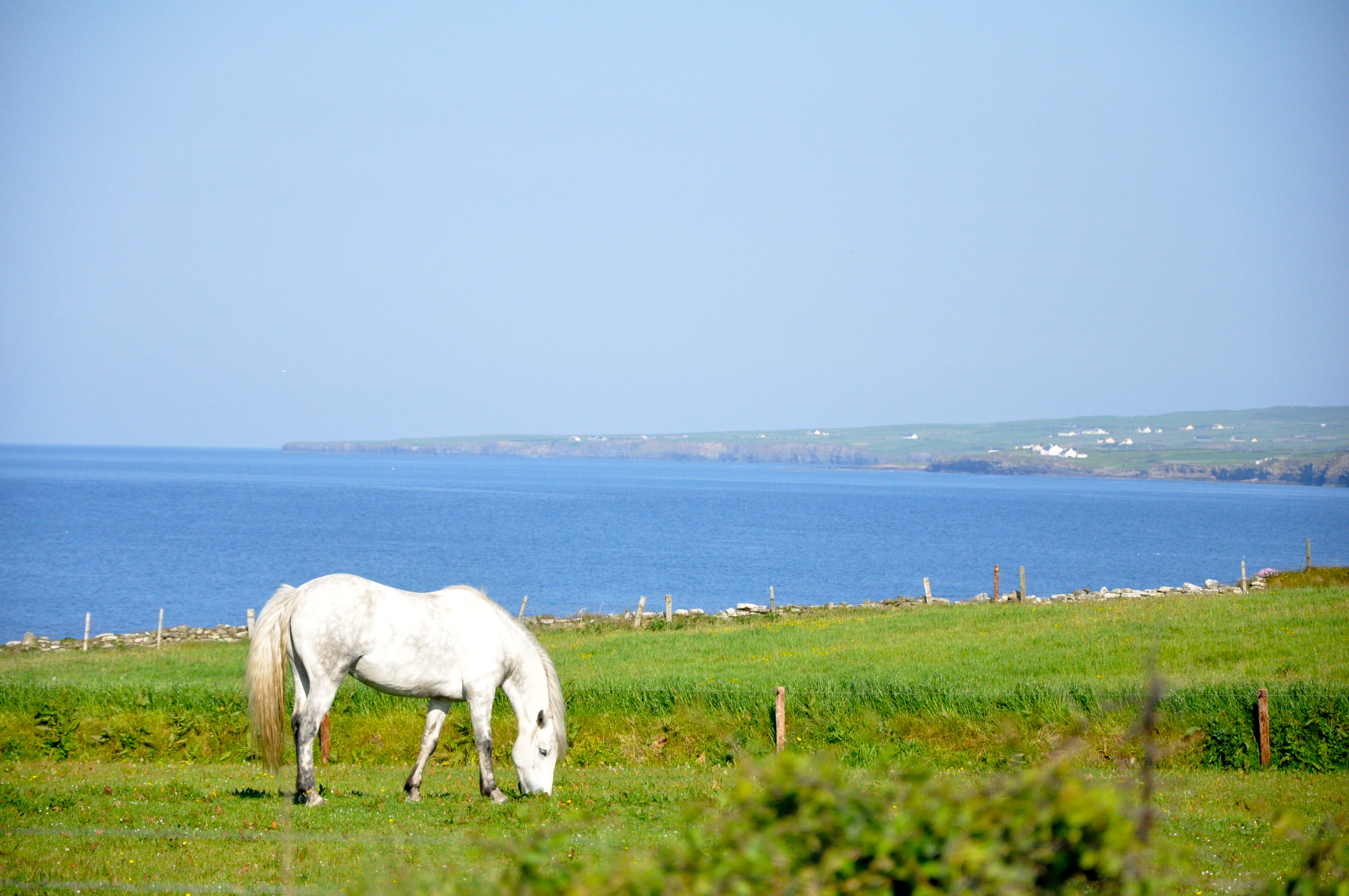
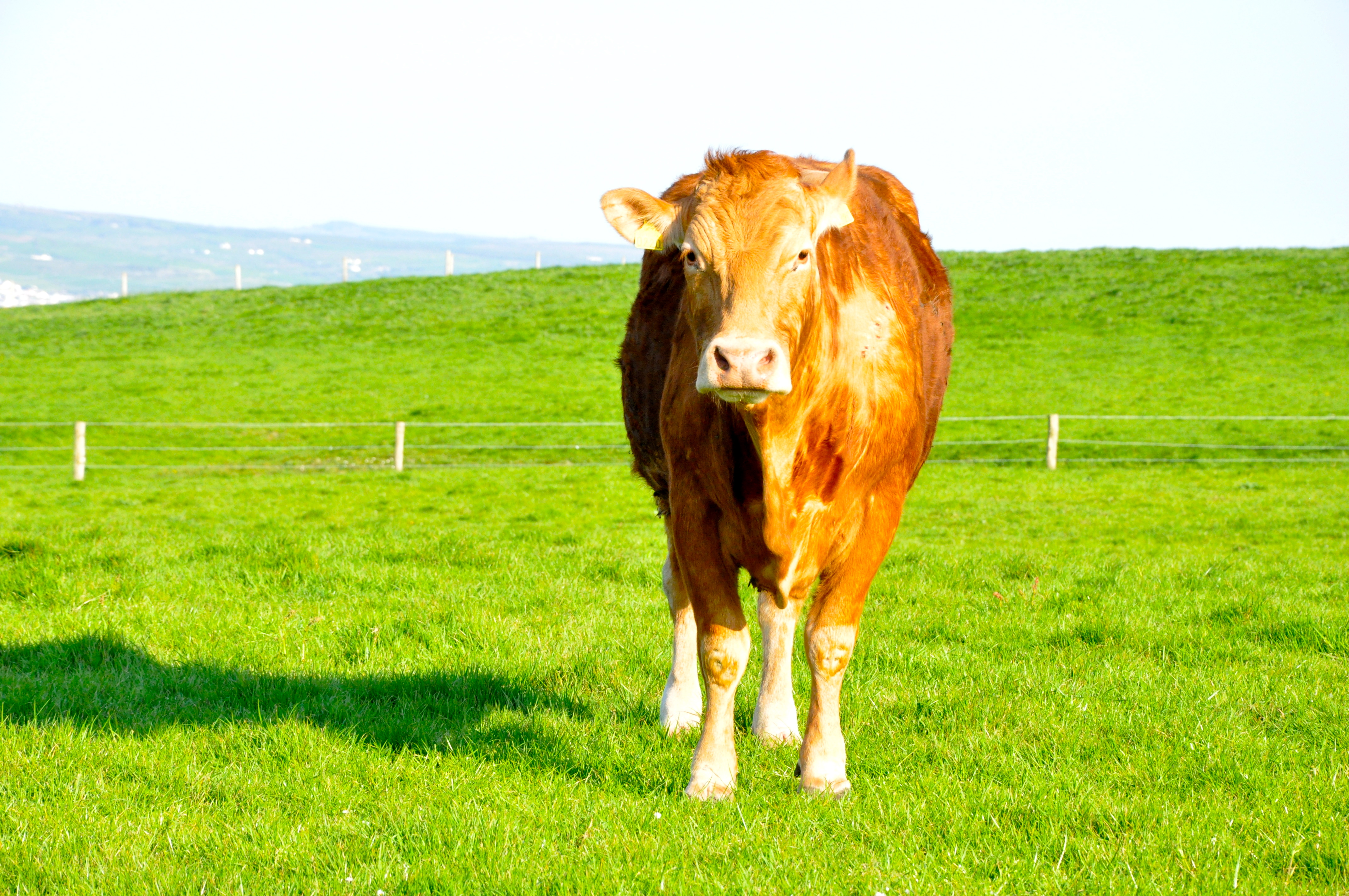
I loved seeing the different animals during our time in the Irish countryside.  Since farming is the #1 industry, there are a lot of them.   I was happy with how well they were all treated.  They were all free range, happily roaming in their vast craggy fields and keeping guard on castles:

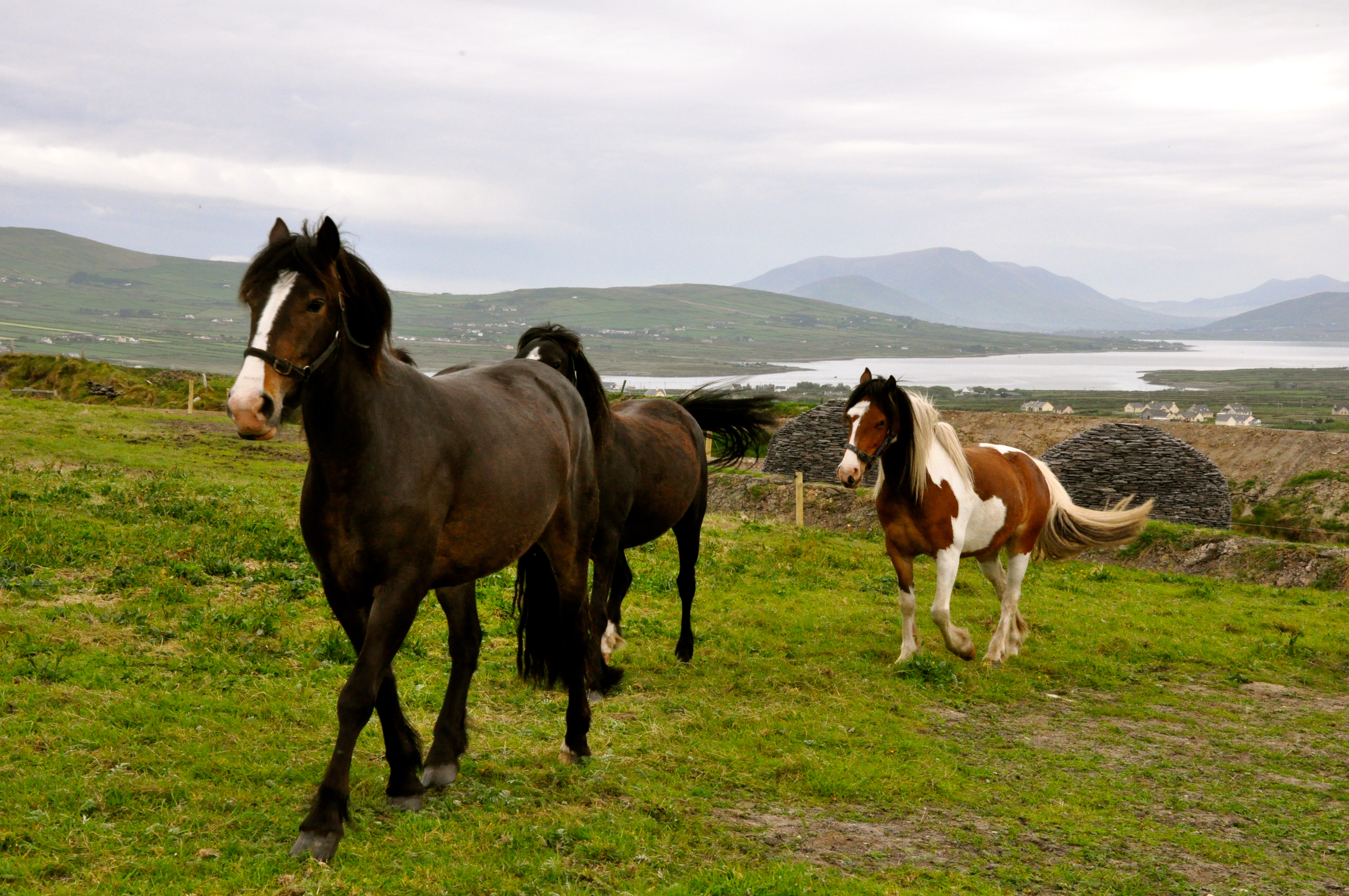
Horse in Liscannor

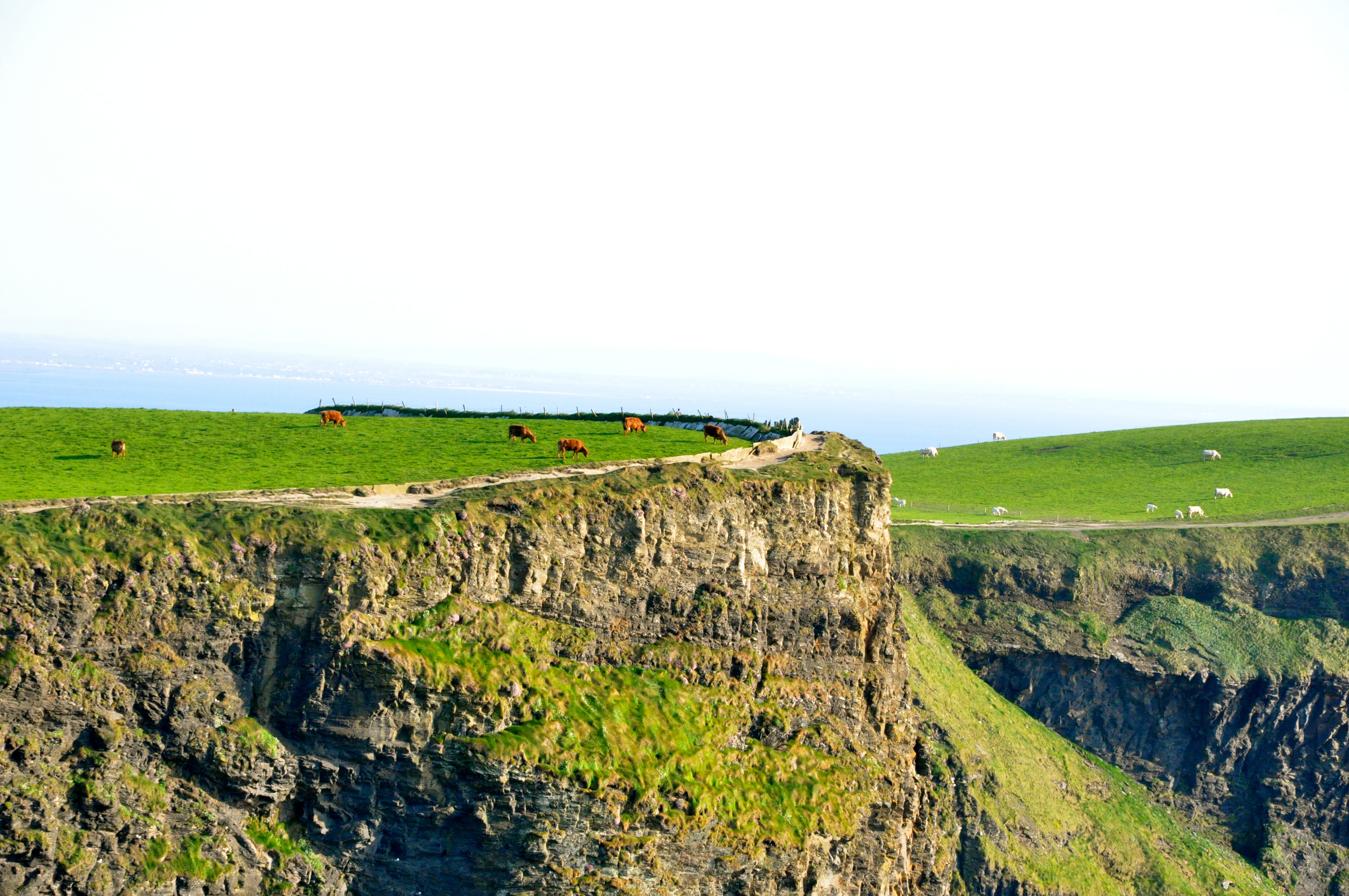
See the brown and white cows on the top of the cliffs?

Cow on the top of the Cliffs of Moher

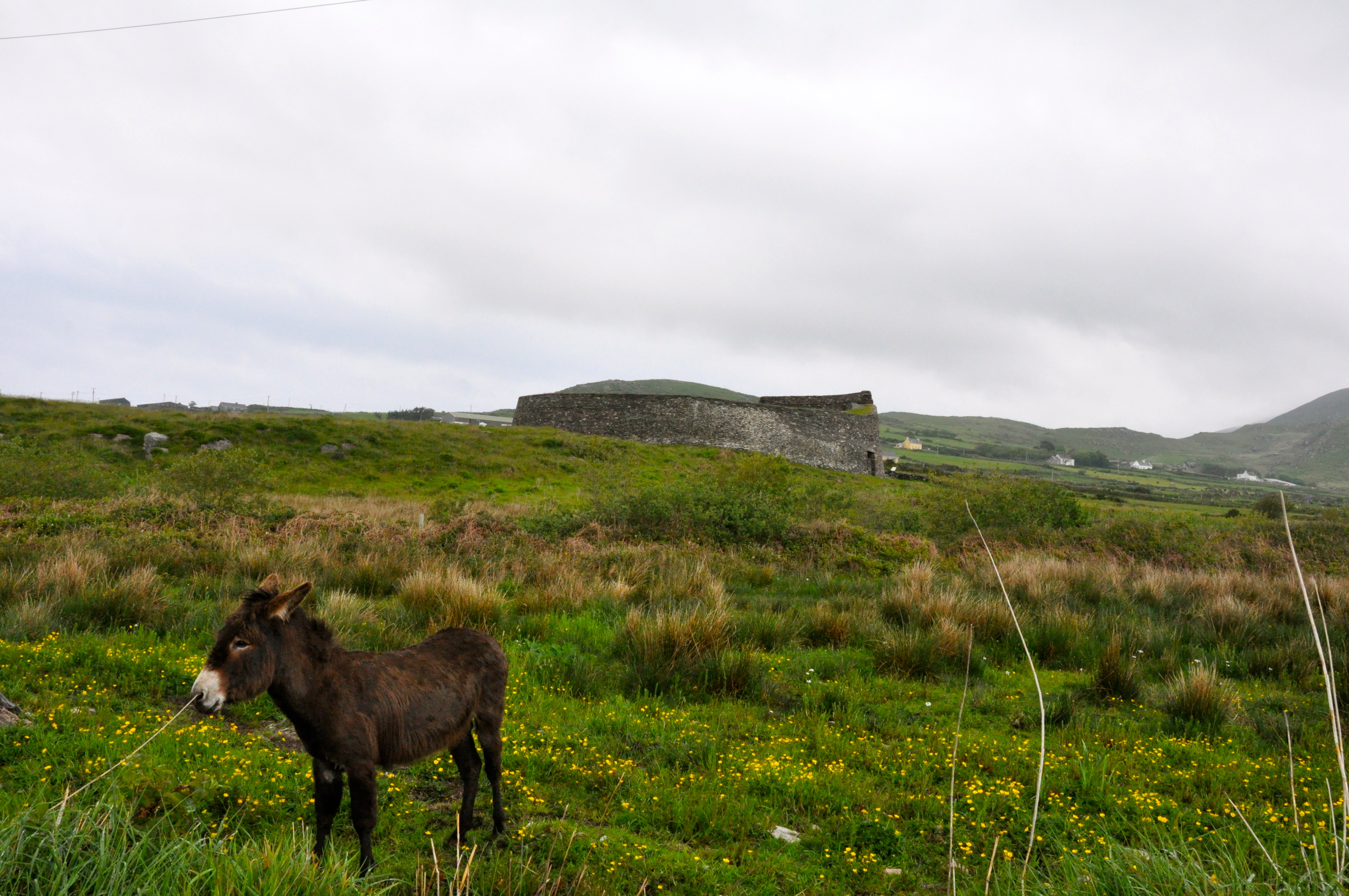
Donkey guarding the stone ring fort

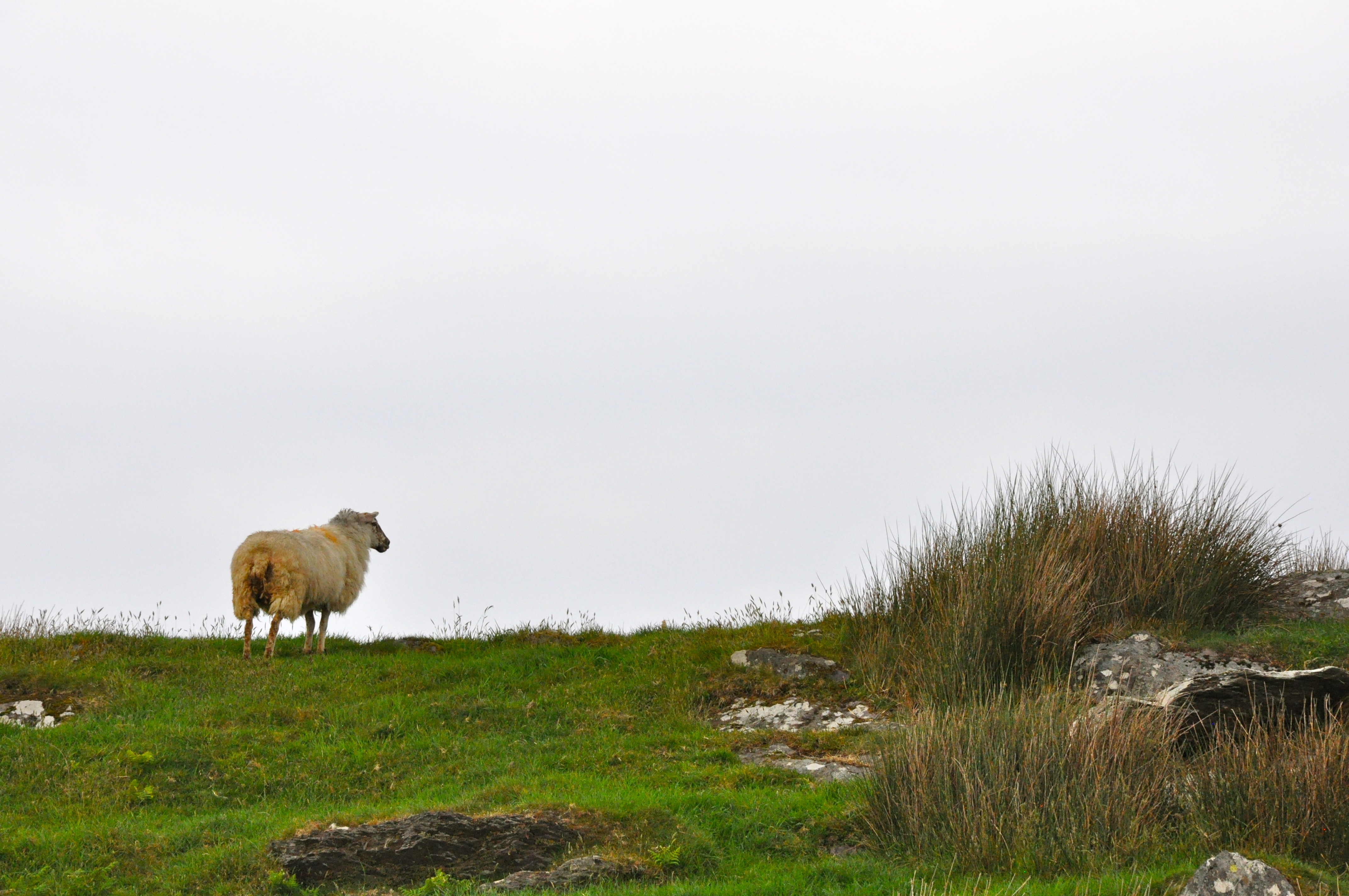
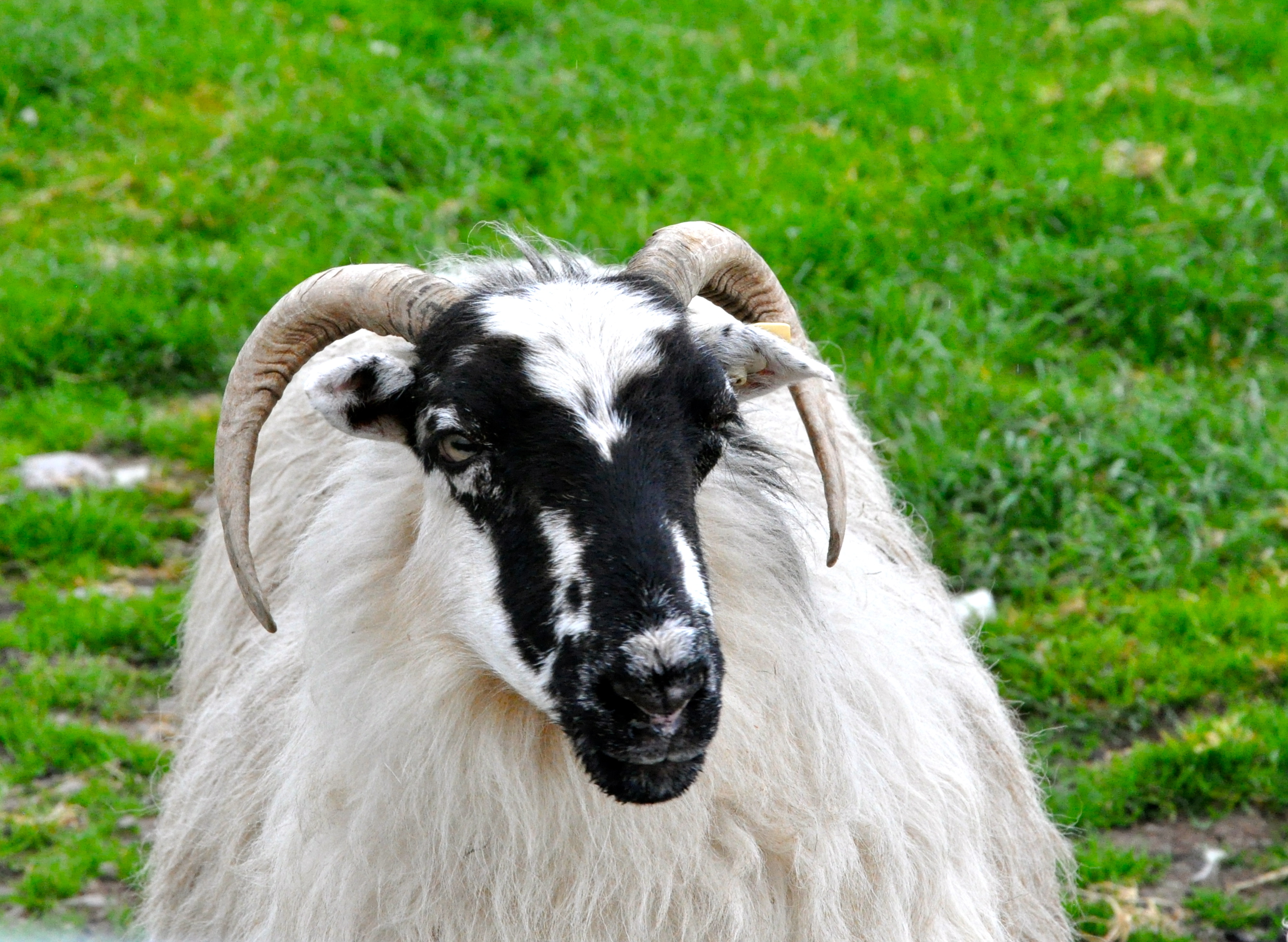
Sweet sheep

Aww. Cute baby.

Happy Irish Cows

Hello, I like to pose

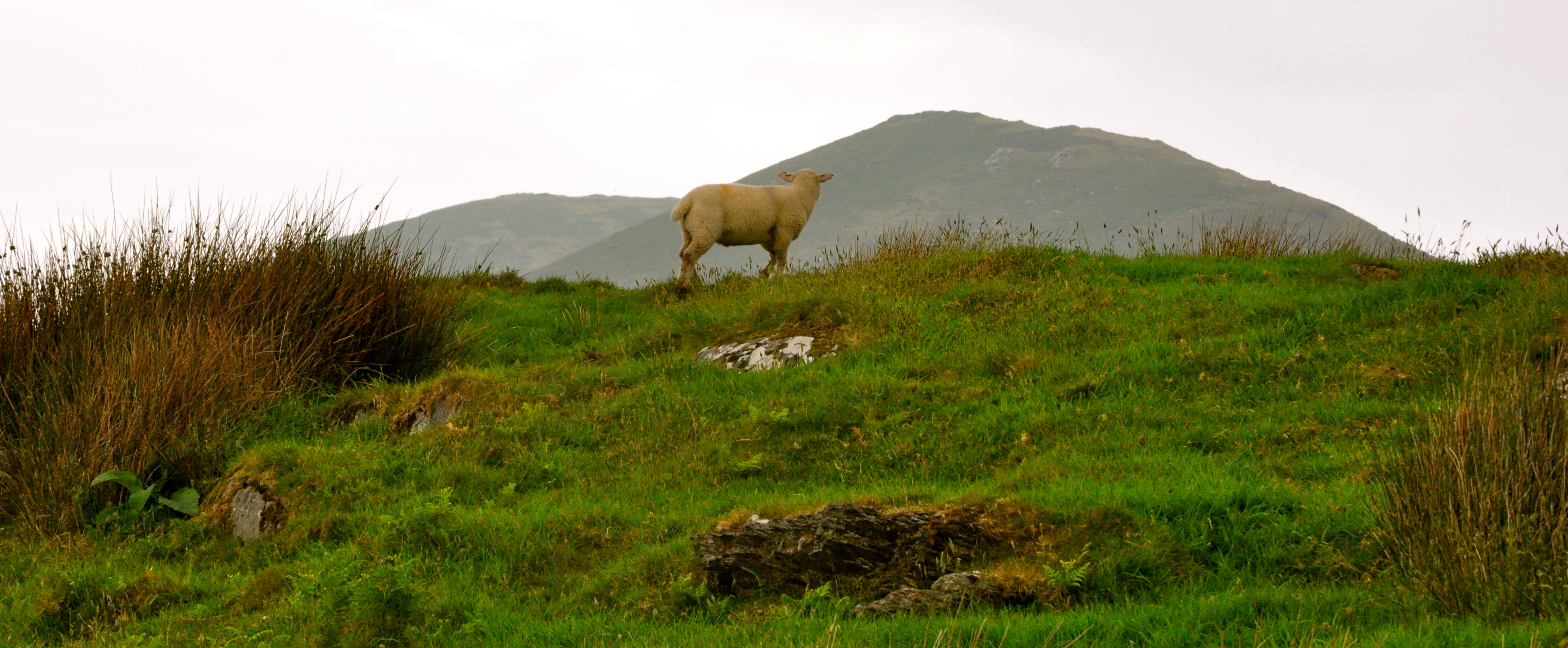
On its perch

She’s going to make a nice sweater.

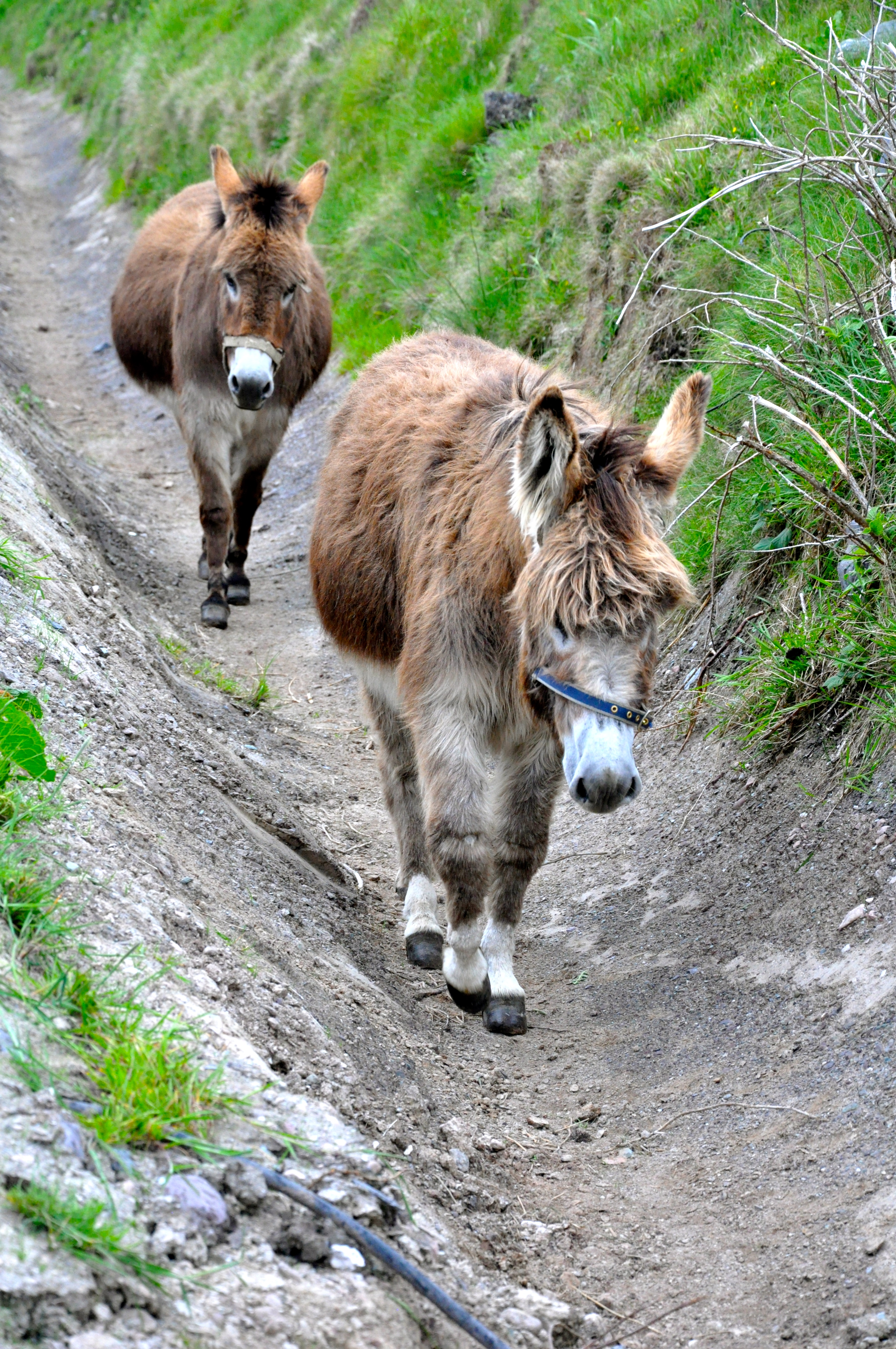
Donkeys

People friendly

Watch out for sheep!

I hate to say it, but they were pretty tasty too.   I had beef, lamb, and duck while in Ireland.  It’s nice to know they are free range and treated so well.

Jameson Distillery

While in Dublin, two of the tours were recommended were The Guinness Storehouse and the Jameson Distillery.

Neither one of us had toured a distillery before.   Surprisingly, the tour was similar to the beer tours we’d done.  The feel was the same, with walking through the ingredients, the process, the barreling, etc.

Jameson is special because its double malted and triple distilled.   What that means is that they use two types of barley – both malted and unmalted.  And that they put the liquor through 3 stills to get out more impurities.

Everything is done throughout the tour to show Jameson’s superiority.

Jameson Whisky starts its life as barley.   It is spread in a malt house on a heated floor, where it sprouts.  Then it goes into the oven for drying.  This is in contrast to some which are entirely done in the oven, like scotch, which gets a smoky taste.

Next, it goes to a Mill where both barkeys into powder called grist.  Jameson used a real river water wheel until 1971, but when they moved their factory, they changed.

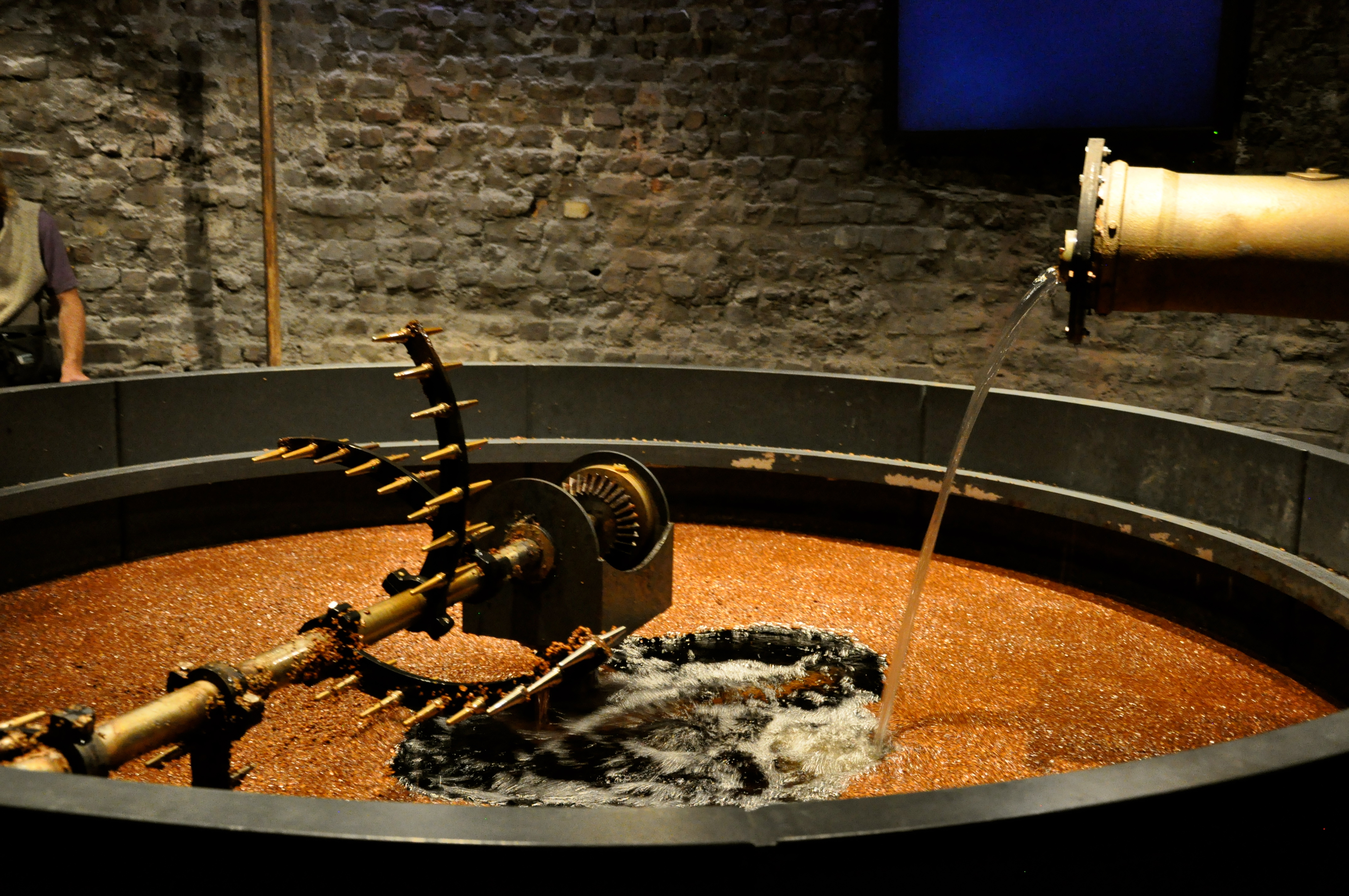
Then comes the Mashing where it is warmed and the starch turns to sugar.   They drain the liquid out which is now called wort but later becomes the whisky.  The leftover grain matter goes to animal feed.  How green!

Next is Fermentation, done in a washback…here the wort is mixed with yeast.  It rests 3 days and a the end is 8% alcohol.

Distillation comes after.   This is done in a Pot Still to separate the water from the alcohol.   They boil the wort and the alcohol becomes vapor and goes into the neck and comes back down the other side as alcohol.

Our guide claimed that this triple distillation makes Jameson more pure and helps Ireland function better without hangovers.

Next comes Maturation.  The minimum time for whisky to “rest” before consumption is 3 years.   Jameson’s minimum is 5 years.   When you are in the room, it smells like vanilla which is the evaporated whisky.  Each year, the barrel loses 2% of its stock, which equates to 15,000 bottles in a year.   There is no way around it.  They tried burying the barrels but the whisky never matured.  So evaporation is key in maturation.  They call it the “angels share.”      It makes sense why the aged whisky is more expensive.  It is reduced significantly in volume after 25 years…someone has to pay for that.

They talked a bit about the barrels.  They actually use white oak barrels that are recycled…they come from Spanish port, sherry and Bourbon* from Kentucky!  The residue from the various other alcoholic drinks is critical.    I thought that was pretty neat.

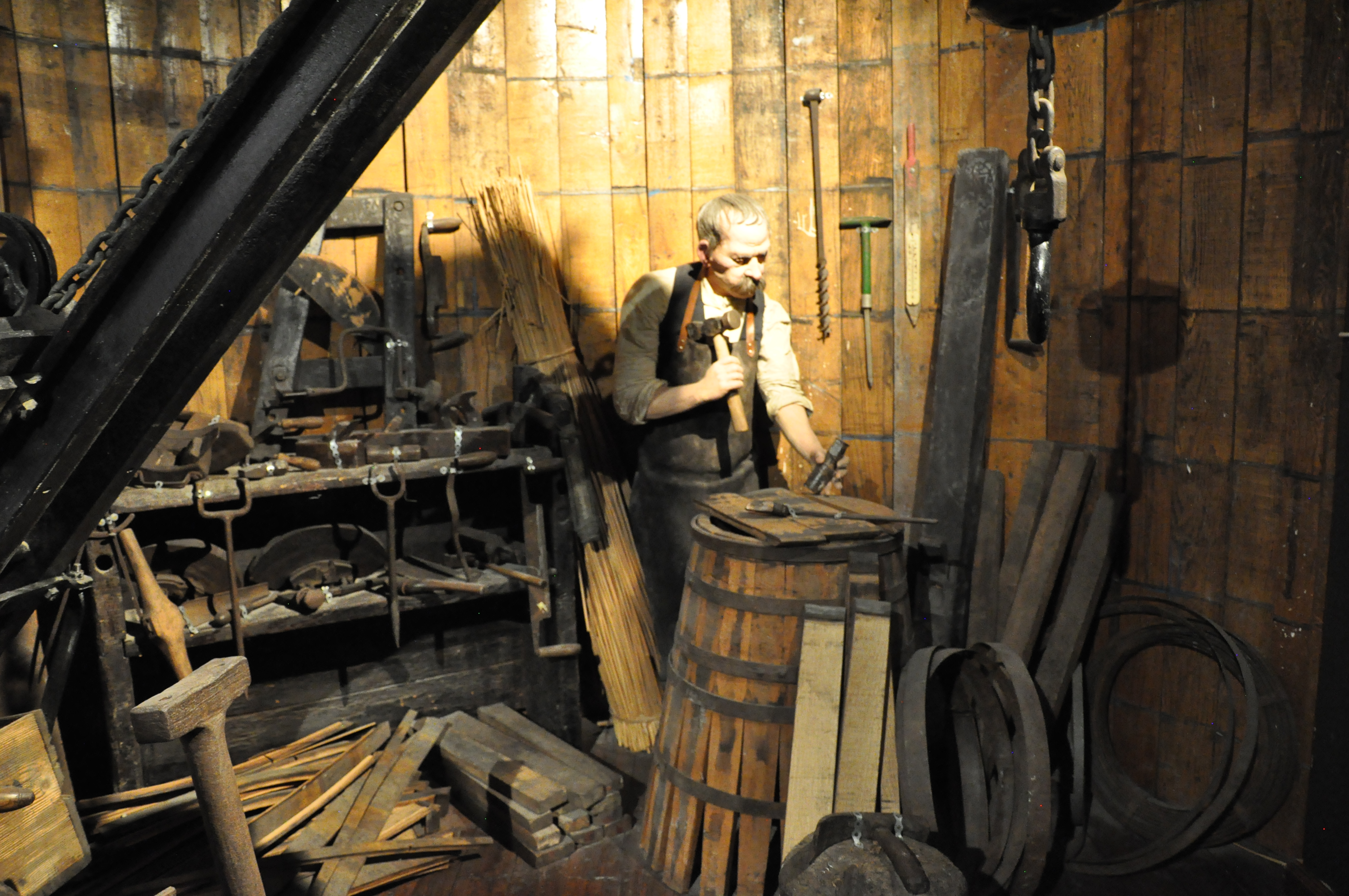
The person who makes barrels is called a cooper. They have to train for 8 years…more than a doctor!

After the barrels are done at Jameson, they ship them to the Carribean for rum.  Another green practice.

After this, next is marrying and vatting. They mix the liquid made in each barrel, then add water and then bottle.

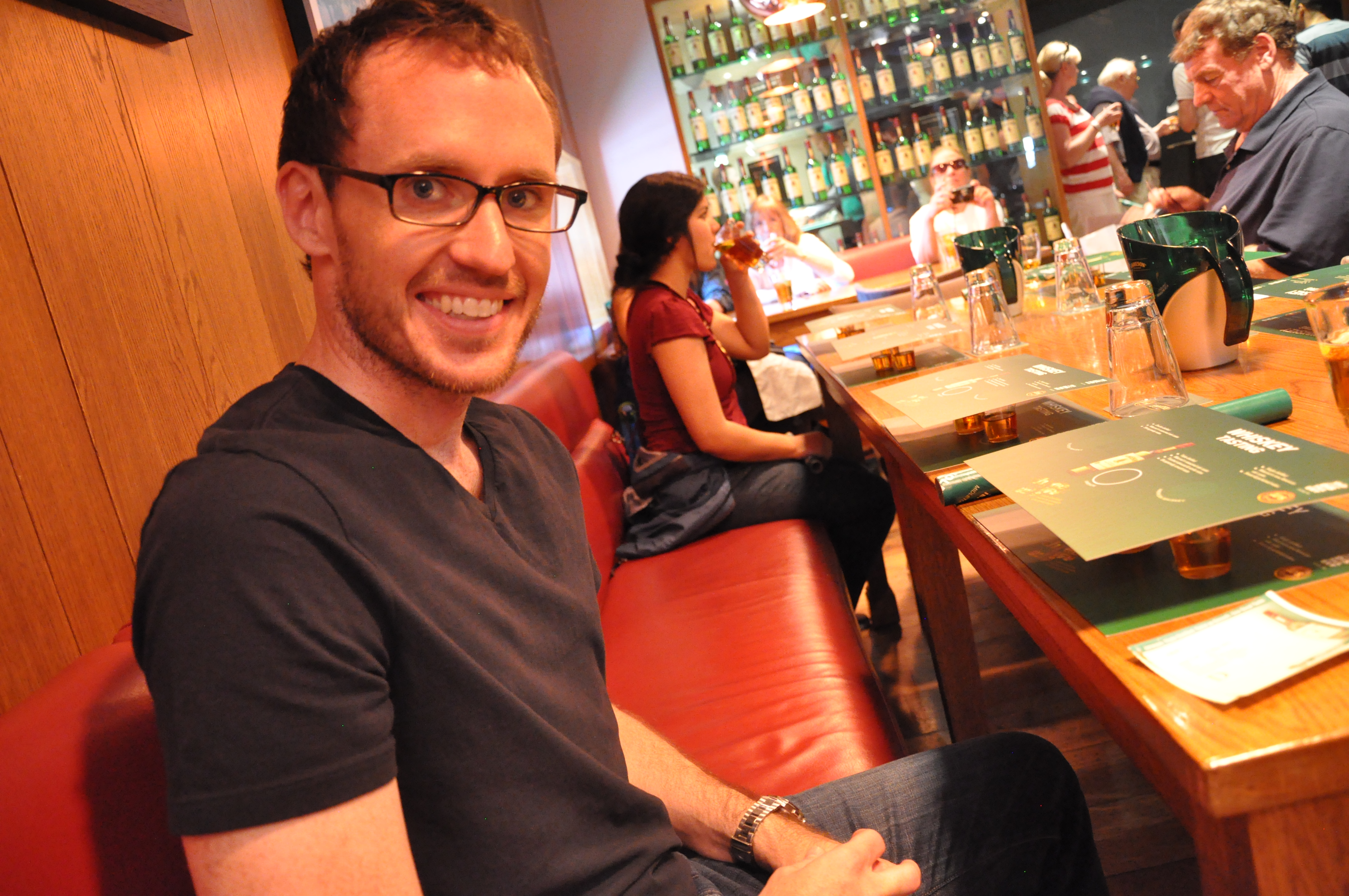
After this, we each got a shot of Jameson.  We could add ginger ale, sprite, or coke or have it “neat”.  We could also could use ice.  However, the guide told us it was only for “girls”.  Glad i was a girl. I had mine with ice and ginger.

Enjoying my Jameson & Ginger

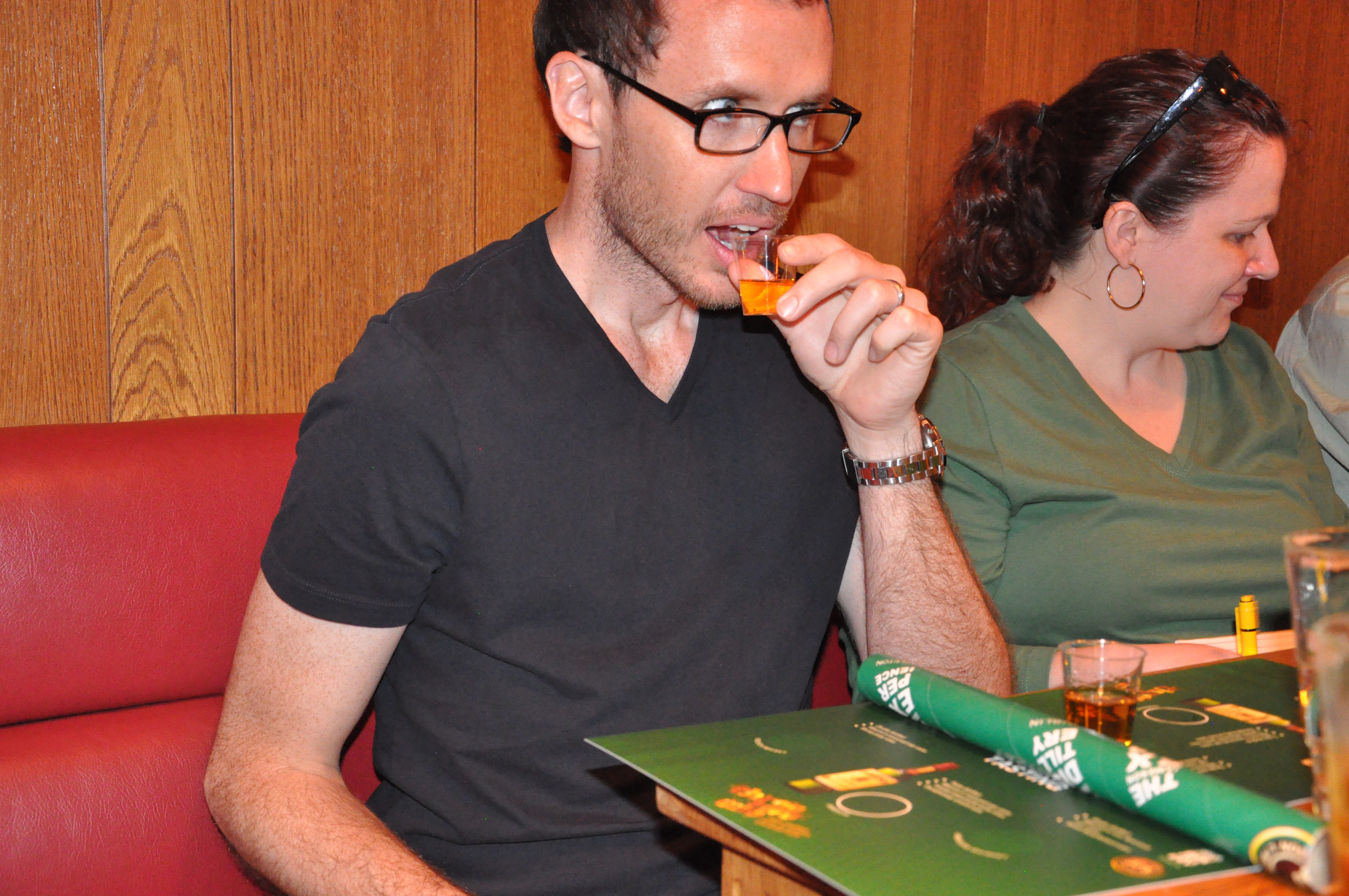
Gabe volunteered to be among the elite whisky tasters who would try Jameson vs. Johnnie Walker Black Label vs. Jack Daniels.  This was meant to further drive the point of Jameson’s quality and to demonstrate what we learned.   It was a bonus because it was a lot more free whisky for him.

Ready to taste!

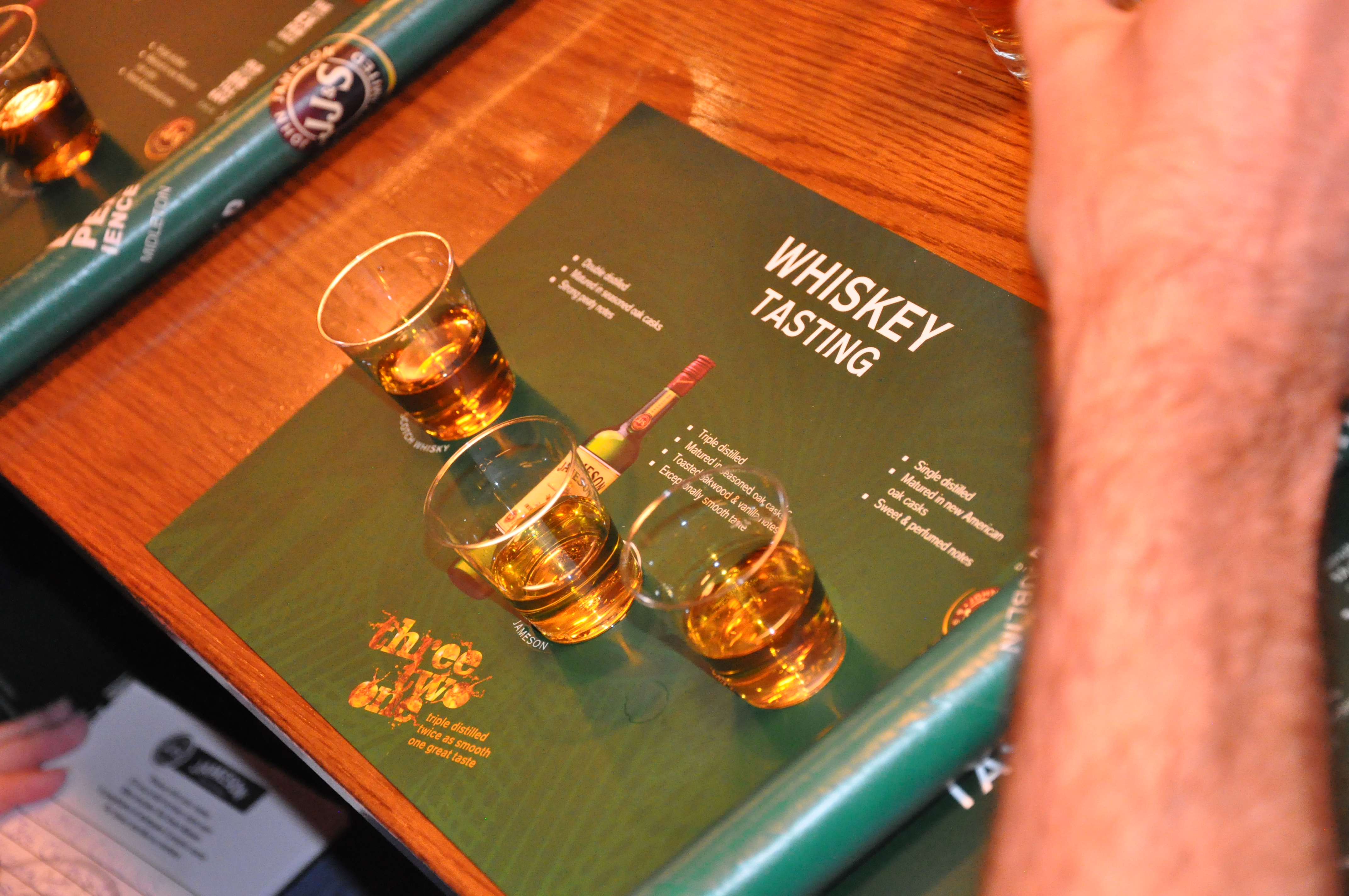
Tasting card in order of best to “worse” as they classified it

Love this shot!

He had to go in the order of Jameson, then Johnnie Walker (top scotch) and Jack (top American whisky).

The guide talked about the flaws in each one with the scotch being smoky and the Americans using new barrels vs. old, and corn vs. barley, which produced a sweet result.    It cracked me up that when the guide introduced Jack as smelling like “college and bad decisions”.   He also noted his frustration that when he visited Lynchburg, Tennesee it was a dry county and he couldn’t even buy it there.  He was perplexed.

After Gabe tasted, I tried.  I agreed that Jameson was the best.  It was the smoothest.  The Johnnie Walker didn’t do much for me.  But I am fine with the sweet taste of Jack.

You got me, Jameson, I am now a fan!

*We learned that the reason Bourbon is different from Whisky is that it is made in Kentucky.   Plus some other reasons.  But good to know….its like Champagne can only come from Champagne.

Related links:
The Swiss Watch Blog:  Heineken Redeems Itself