FreeTown Christiania

I think I first heard about Christiania through one of Rick Steve’s videos.   This little area located in the Christianshavn area of Copenhagen is unlike anything else in the world.

Gabe at the entrance to Christiania

It is a freetown, an autonomous village that has its own laws and governance.  About 1000 adults, 200 kids and 200 dogs live there.   You freely pass through, as this is one of the only requirements that Denmark has for their continuance that it be a public place.

Rhubarbara Streisand at the entrance to Christiania

They only have a few laws:
-no stealing
-no violence
-no hard drugs
-no weapons

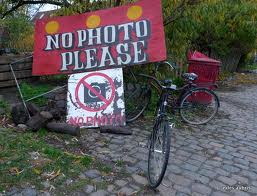
Also, if you walk down Pusher Street, they add a few:  no photos and no running.   Once you walk around and notice that everyone is in their own ‘state’, you understand how someone running would upset the mental order.

Image courtesy of Zen Aida – I was too afraid to take photos of even the no photo sign

You might be asking yourself how this came about?   In 1971, squatters took over this area which was previously military.  Back then, the area was quite a seedy place and land values are low.

A view of Christiania residents enjoying the water from our canal tour the day prior.  I didn’t take a photo of the guy  sunbathing in the nude on the dock prior. 

However, it has become quite controversial recently now that the area has become trendy and all the nearby buildings are being refurbished and sold for big buckaroos.   I heard its on the brink and that it would soon likely become extinct.  Thus, I really wanted to visit.

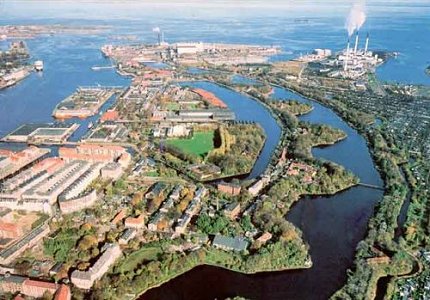
Christiania is located in the green area that forms the triangles.  Image courtesy of ehrasmussentrip.blogspot.com

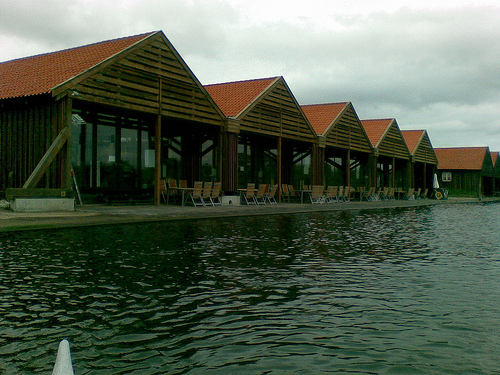
This was an old boat house and now is condos, just opposite of Christiania. Image courtesy of arc house.

Boat houses converted to modern office spaces, across from Christiania. Image courtesy of Flick River

I was glad we checked it out.   It was interesting how the residents of Christiania have formed their own utopia.   However, it made me realize how important social norms are in establishing what feels like a utopia.   To these folks, this free society was heaven on earth.   For me, I was bothered by the trash and walking down Pusher Street so it was foreign to my concept of a home.

To each his own.


Related links:

Rick Steve’s Copenhagen / Christiania video (starts at 1:05) – http://www.youtube.com/watch?v=v57JVVD6-ag


Colorful Copenhagen

This weekend, we met up with Kung Foolish and Rhubarbara Streisand in Copenhagen.

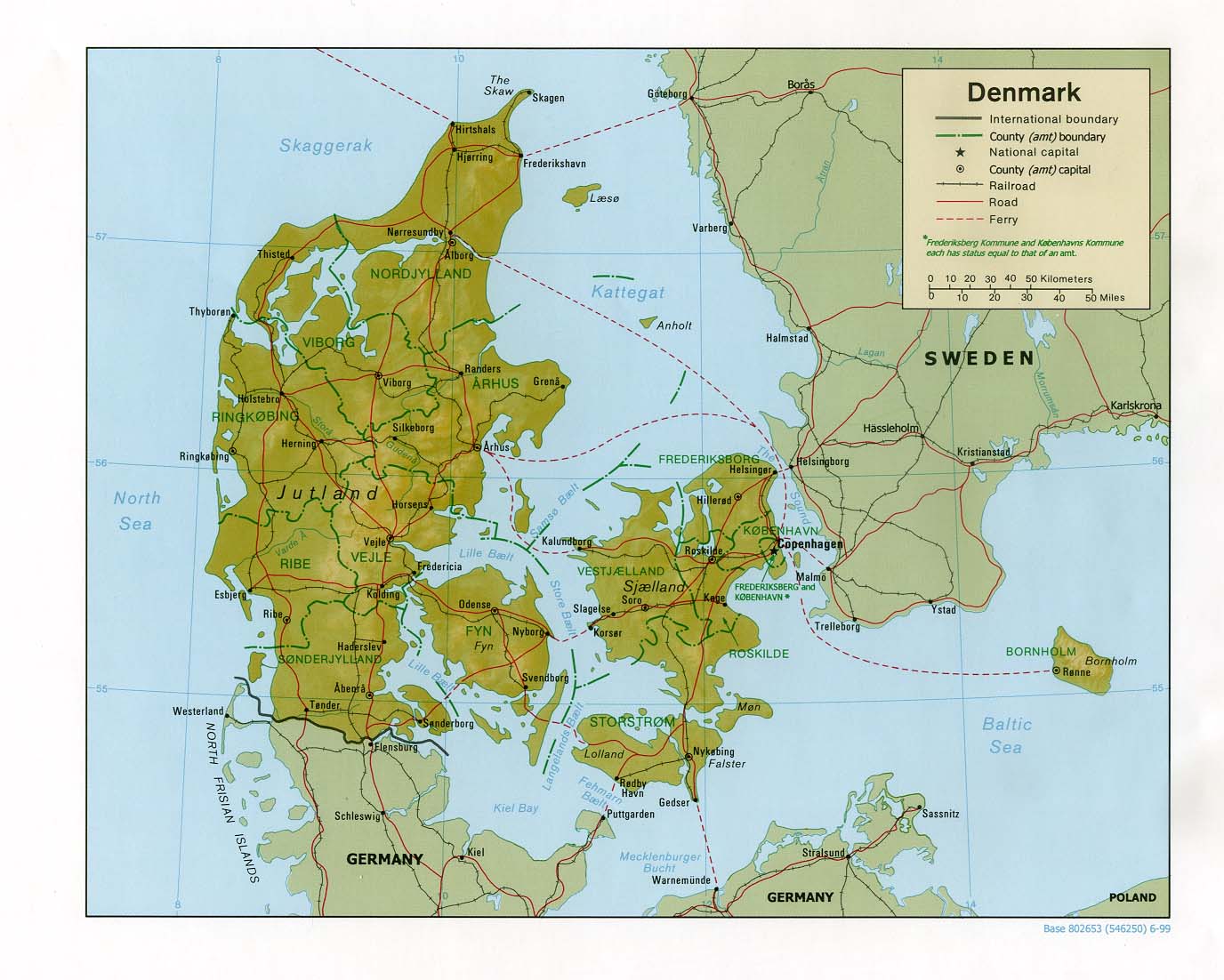
Copenhagen is in Denmark.   We like cities on the water, and Copenhagen fell into this category.

Image courtesy of Nation Master

I think the coolest thing about the city is how the water was integrated into day-to-day life.   Copenhagen just isn’t on the water, life there is all about the water.

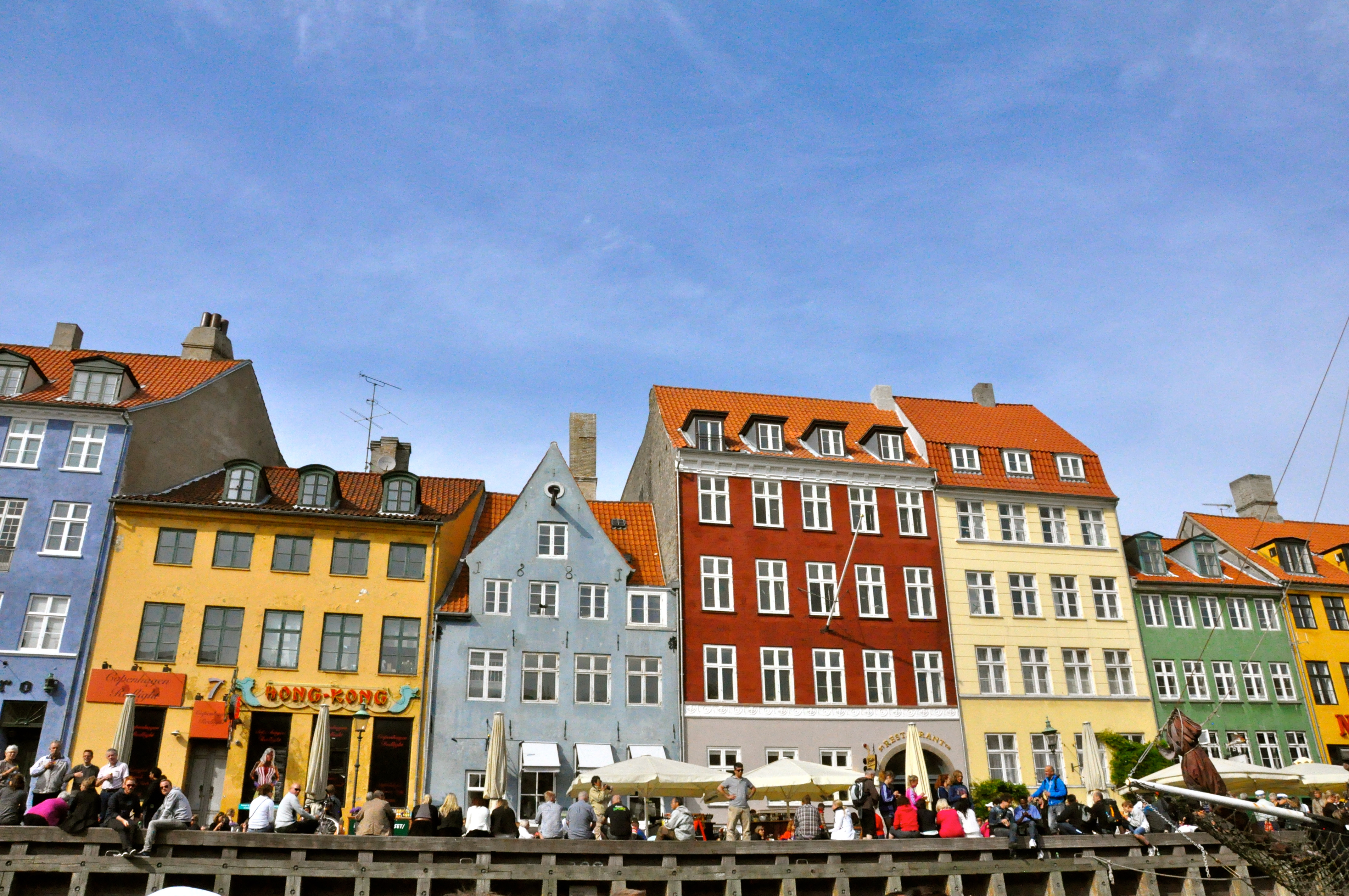
Our canal tour leaving from colorful Nyhavn harbor

Pulling out of Nyhavn, all the locals were enjoying a beautiful summer day, sitting on the sides of the harbor drinking beers (mostly BYOB or out of vending machines)

A few of the naval museums.  Including a ship (left) and a submarine (right).  Being on the water, the Danish navy presence had to be big.

Armory / naval building

Ship pulling out of the harbor

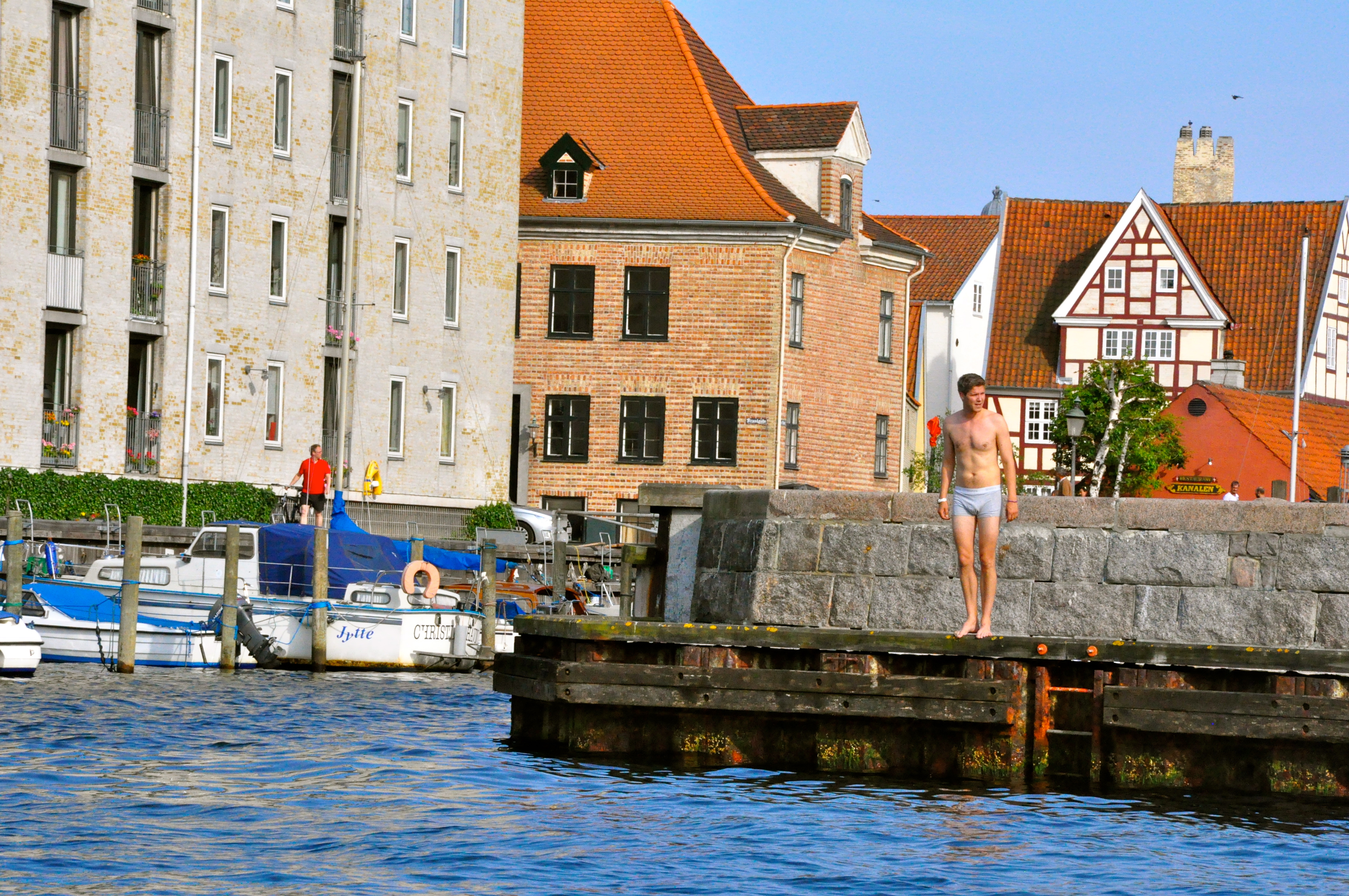
This guy isn’t afraid of the frigid water

There were many boat bars and waterfront bars. We enjoyed a round at Badlejing.

Also what was neat is to see the blending of architecture, old and new.  The Danish are very progressive and very green.    Their modern buildings were balanced quite well with their historical sites.

The Opera House

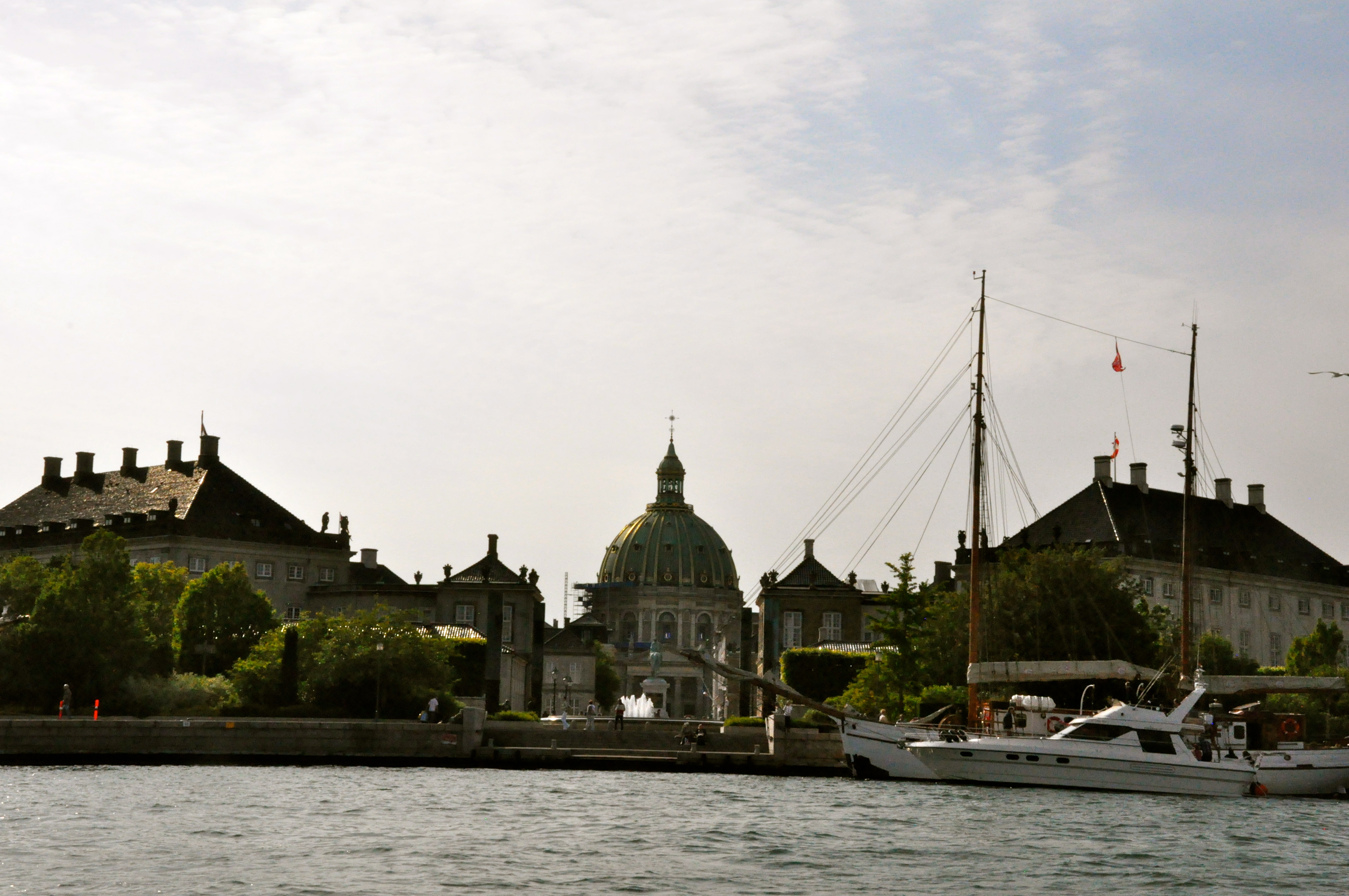
View into the centre of town at the old architecture of Amalienborg Palace

Beautiful modern buildings juxtaposed with classic Danish buildings

Classic architecture in the centre town

Looking down Straegrade street at the pastel buildings

I am a sucker for colorful buildings.

Enjoying the beauty of the architecture in Nyhavn harbor

Beyond the water and the architecture, we really enjoyed the food & nightlife.  But we’ll save that for tomorrow.

Related links:

Schwingen in Switzerland: Danish Bike Culture & My Fanboys Experience

Schwingen in Switzerland: Something was rotten in the state of Denmark…It was Us

Swiss Sports: Tobogganing

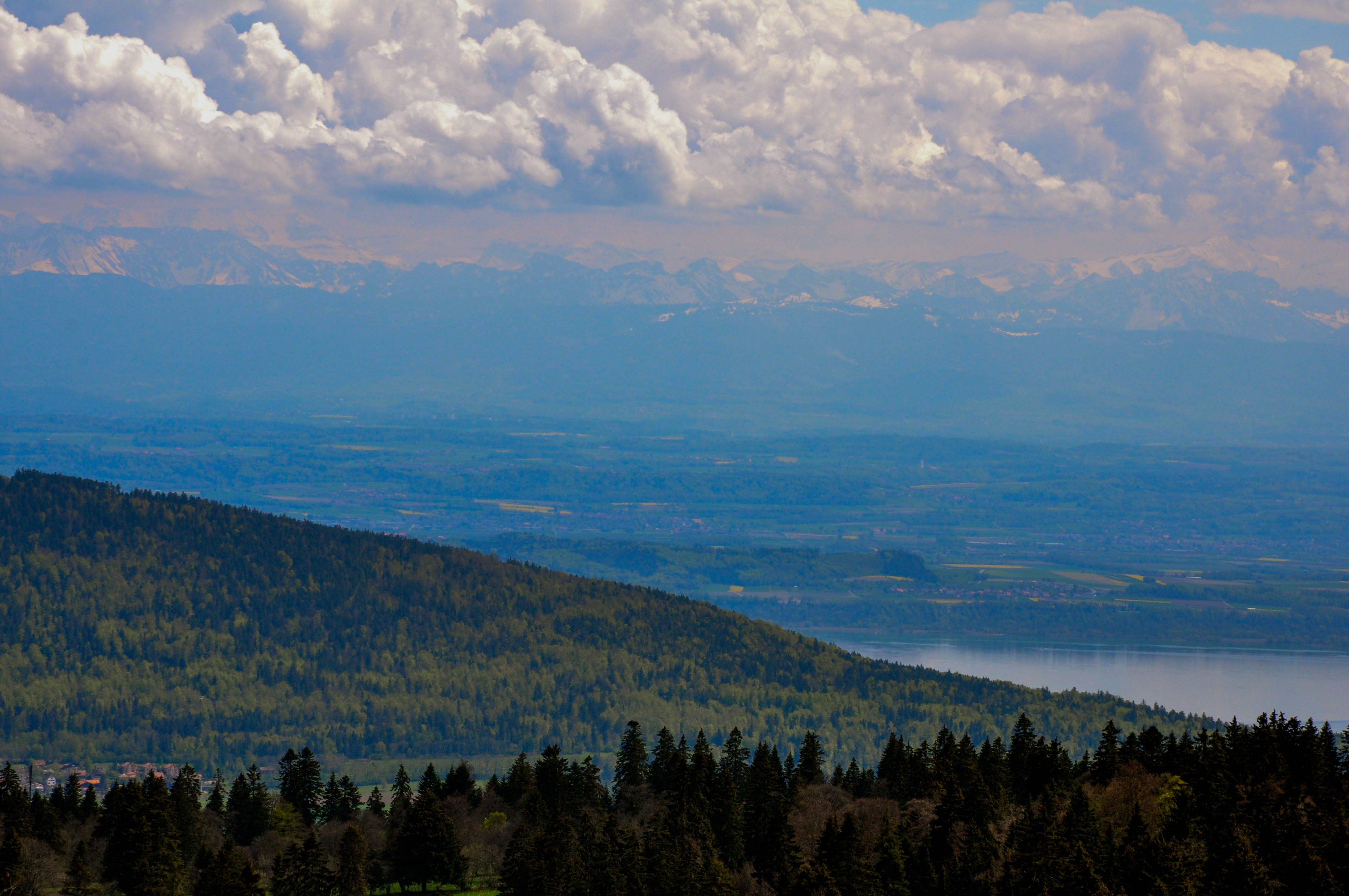
On our Neuchâtel fun day, we drove through La Vue des Alpes on the way home for what else but the view of the Alps.

The view wasn’t bad:

Forests, lakes and Alps. The average view in Switzerland 🙂

As we walked back to the car, we saw a chute underneath where we were standing….the place offered tobogganing!

The three bravest members of our fivesome decided to try it out.    The other two of us decided to partake in another Swiss sport: regional wine drinking.

T and I enjoying the Neuchâtel white….

When they passed, we left our perch to watch.

What goes up…..

……must…..

come down!!!!

They really enjoyed their adventure sports and joined us for a glass after they finished.  The warm sunshine and views of the Alps were quite nice.

The big find of the stop for me was a little farmer stand in the parking lot.   I adore buying things from local places.   I bought a pack of copa, a type of meat that was Gabe’s favorite delicacy from our trip to Italy.  It all has to be eaten in one sitting so think we’ll save that for when we have special visitors this month!

Alpine views in Zweisimmen and Château D’Oex

As mentioned in the previous post about our trip on The Golden Pass, we stopped in two towns on the journey back.

The first of the towns was Zweisimmen.   I’ll be honest that I had no idea what to expect (not listed in my tour books) but I suggested to E-dawg that we hop off the train and spend an hour there until the next train would pass.

We found an adorable German speaking village, full of cows.   We wandered around its quiet streets enjoying the fresh air.

This is Zweisimmen!

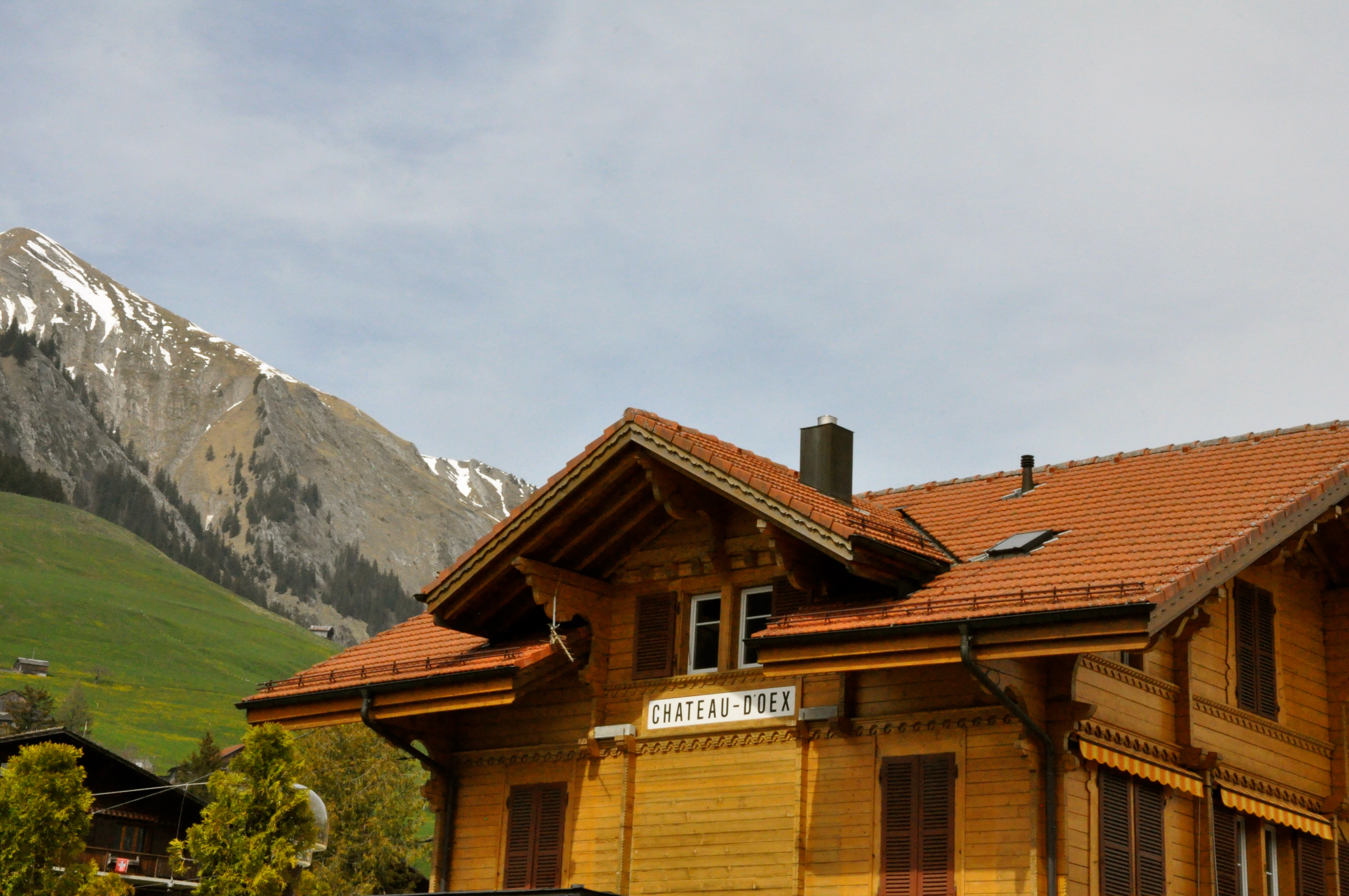
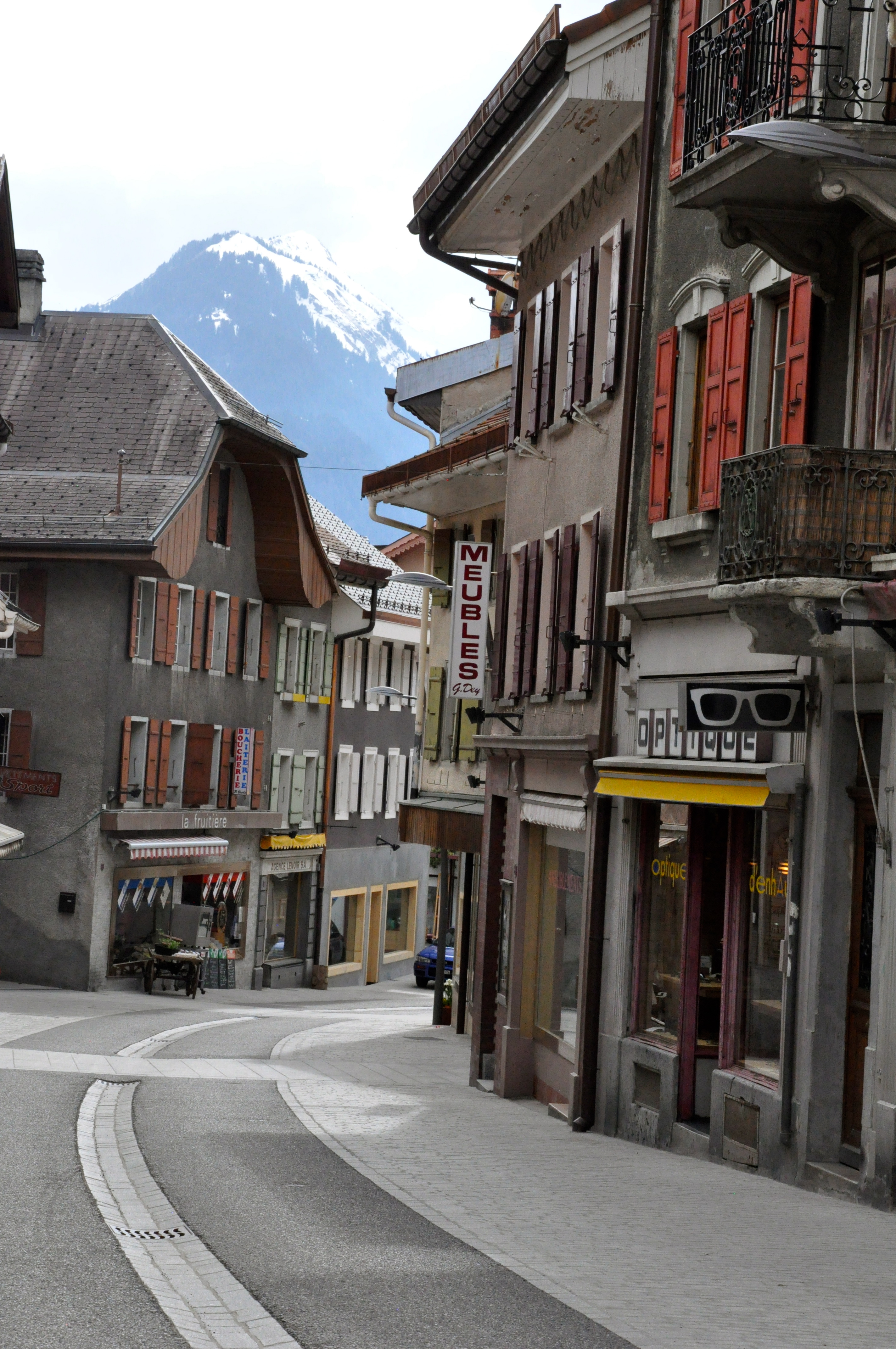
We caught the train an hour later and hopped off again at Château D’Oex.  Readers might find this town familiar as we stopped there twice for the Hot Air Balloon Festival.  After the Friday night “Night Glow” show  failed to produce any balloon pictures, I begged Gabe to go back the following Sunday for more.  And that is when I fell in love with this little village known to be the Swiss capital of ballooning.


Welcome to Château D'Oex (pronounced Shat-oh Day)

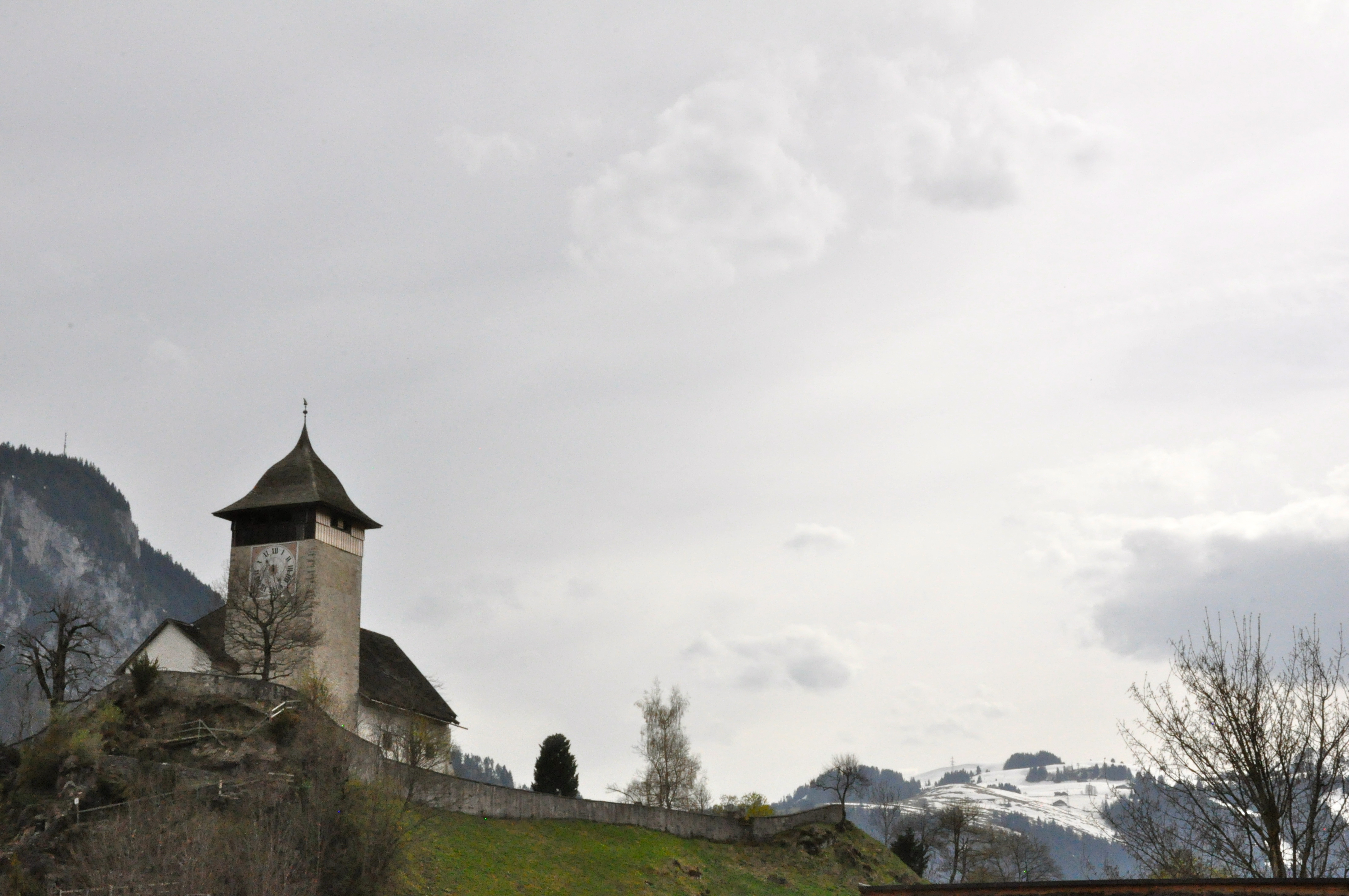
It was really neat for me to see the difference in winter vs. spring.  The town is totally different.      Originally, I was going to sit at a café and rest my feet while E-dawg explored.   But I couldn’t help myself wanting to climb up to the top of the chapel with her for the views!

Streets of Château D'Oex

Climbing up the steps of the chapel, greeted by amazing spring flowers

After reaching the top, E-dawg relaxed near the chapel walls.


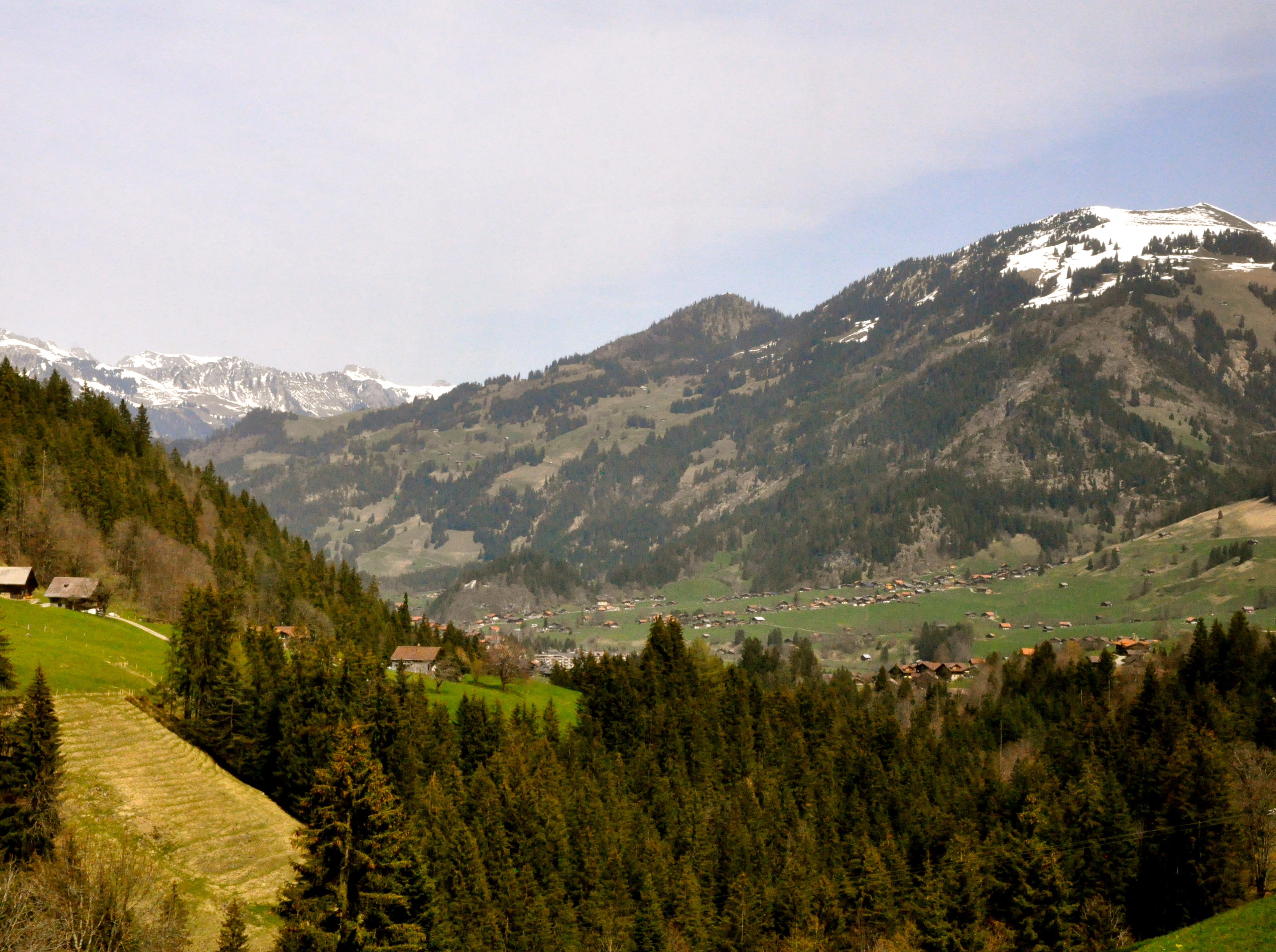
On the way back down, we decided it was an opportune time to open the mini bottle of Swiss wine we had brought to picnic on the train.   We popped our shoes off, sat in the grass, and enjoyed the magnificent panorama in front of us.

After experiencing it in multiple seasons, this little village quickly lept up to one of my top Swiss places to visit.

Back on the train. Goodbye Chateau D'Oex...until next time!

The Golden Pass

On E-dawg’s last day, we took a panoramic train.   I am a big fan of these trains – you get to see a lot of the beautiful Swiss landscape.   It also provides a nice relaxing day if you have been busy.

As you may have read on the blog, there are are four scenic trains:  The Golden Pass, The Bernina Express, The William Tell Express, and The Glacier Express.  Gabe and I have taken the Glacier Express twice, with The Captain and Swiss Miss, as well as with The Fam.

This time, we took The Golden Pass.   We chose it because of its proximity to Geneva, as we wanted to do the entire thing in a day.    We bought tickets to ride just until Zweisimmen in the German speaking part.

Cool map courtesy of goldenpass.ch


So, we took an hour train from Geneva to Montreux in order to catch the Golden Pass.   One interesting thing about Swiss trains is that they are beautifully timed.   For instance, as our train from Geneva rolled into Montreux, the Golden Pass sat awaiting any passengers.  Moments later, it departed.   This isn’t by coincidence.  The entire system is designed for efficiency and there are rarely wait times or “layovers”.

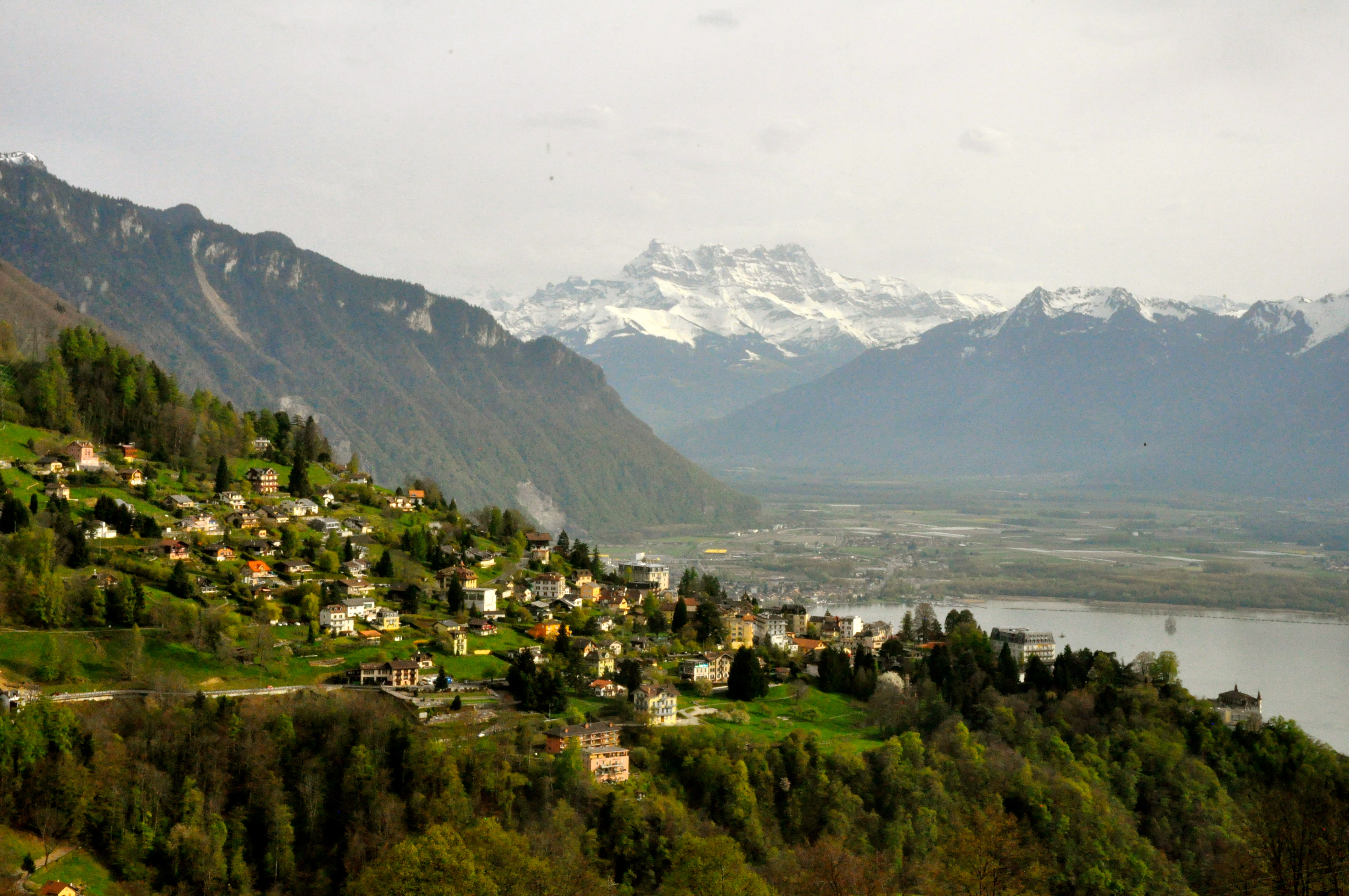
After boarding, The Golden Pass ascended above Montreux.   I had not been this way yet so thoroughly enjoyed being a tourist as it winded around, giving glimpses of the lake below.

Leaving Montreux on The Golden Pass


E-dawg enjoying the ride


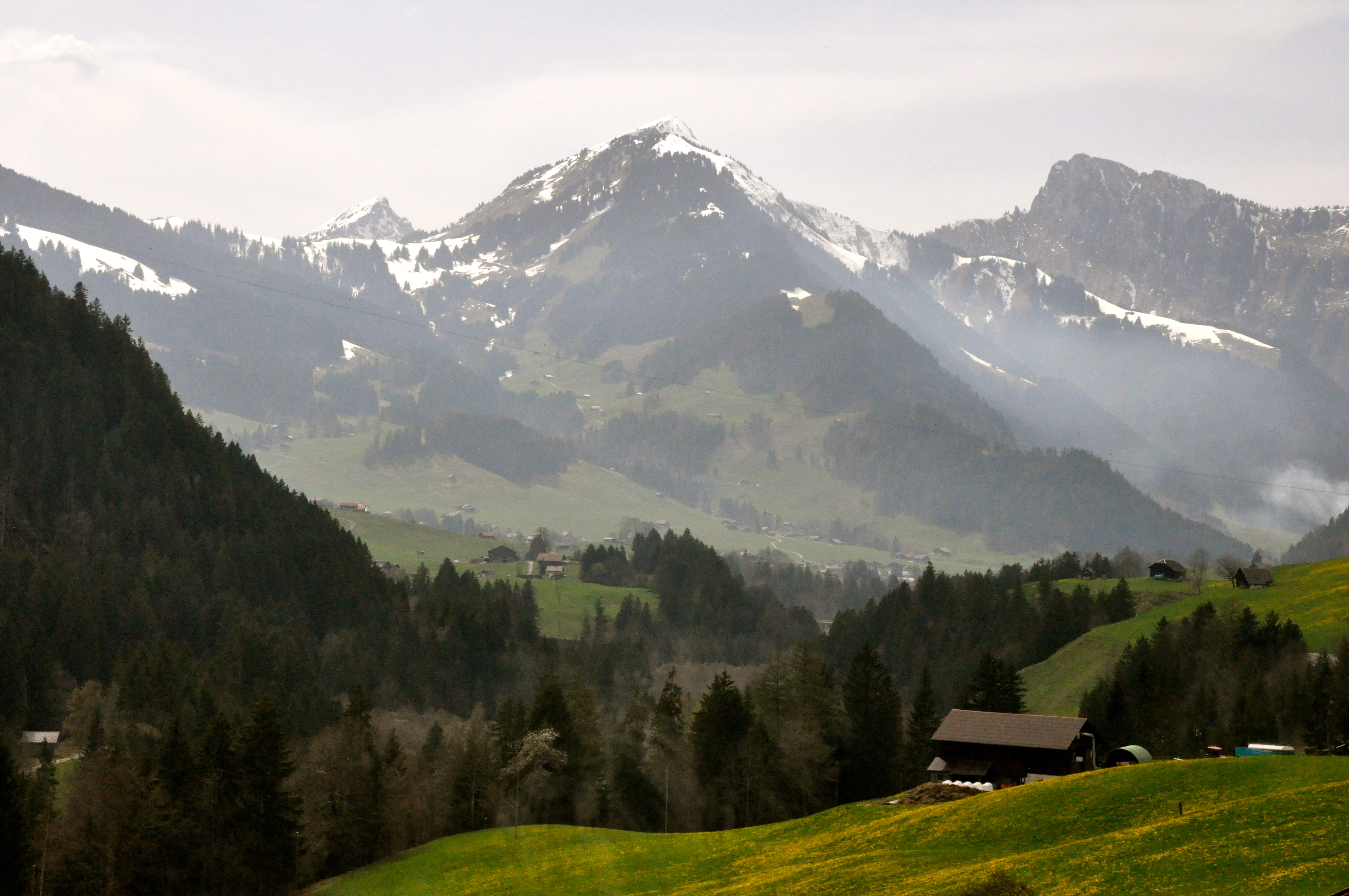
Passing gorgeous pastures and rolling green fields


Passing Château D'Oex, home of the hot air balloon festival.


Fields of dandelions


Typical Swiss backyard.


Keep that delicious milk, cheese, and yogurt coming, cows!

Passing Gstaad and The Palace.


An enticing road

Descending into Zweisimann


This view never gets old to me.


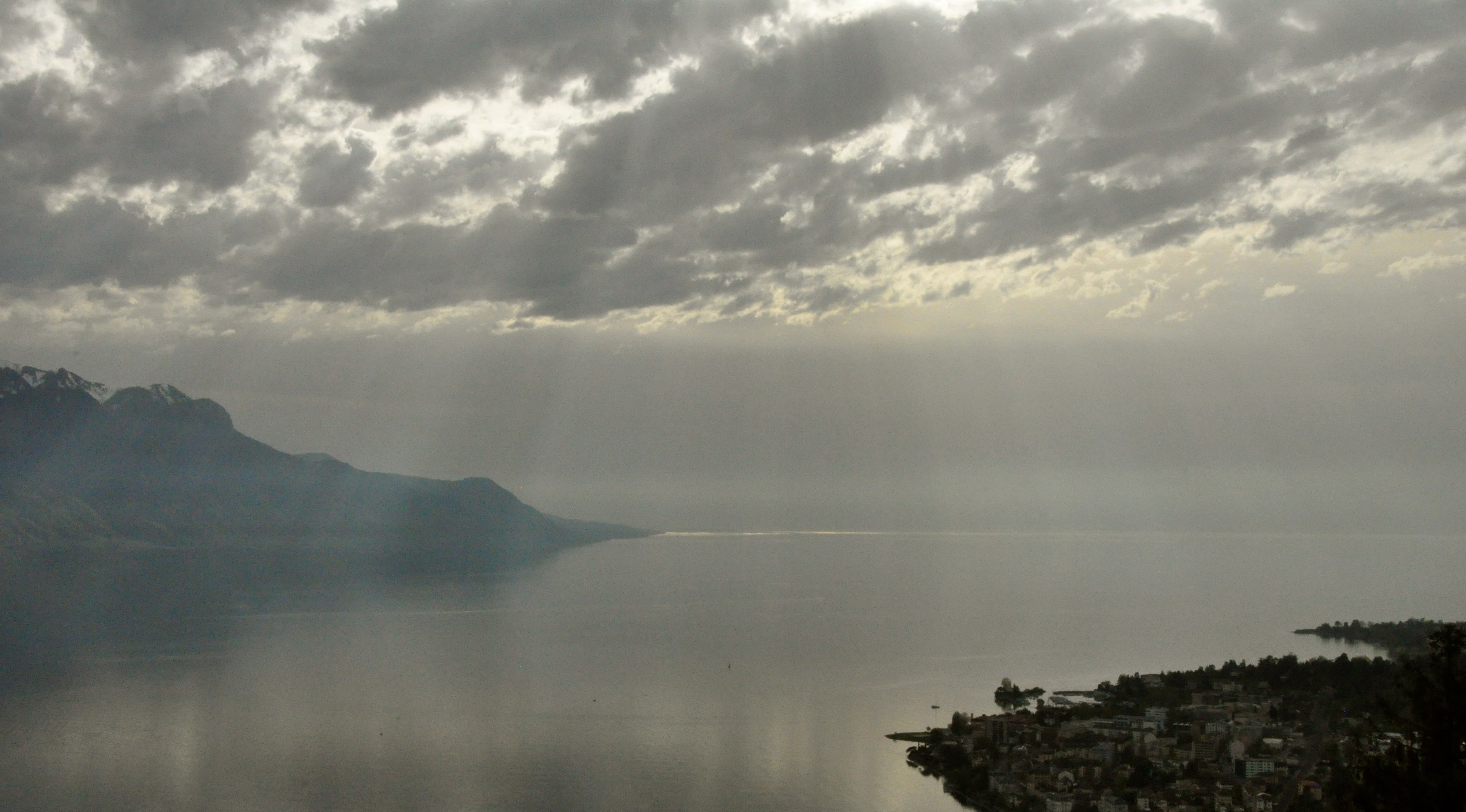
Back to Lake Geneva....


God shining light through the clouds onto Lake Geneva


This entire route took six hours of travel time from Geneva.   We did stop twice on the way home to explore Zweisimmen and Château D’Oex so it took us a bit longer – about nine hours.   I’d recommend doing that to break up the trip.  If you don’t have reservations*, you can hop on and off wherever you like.


*For our trip, we did buy reservations from Montreux to Zweisimmen not knowing if they were required.   We were the only ones with reservations and could’ve saved the $$ by not doing it since it was a low tourist season.   It also made it handy not to have them on the way back as it encouraged us to live in the moment and hop off at whatever towns looked neat.   However, on the way home, we didn’t get to sit in choice seats when hopping back on.

Thus, if you are in a big group or sitting together is important, its a nice benefit to purchase the reservation.


La Tour du Molard

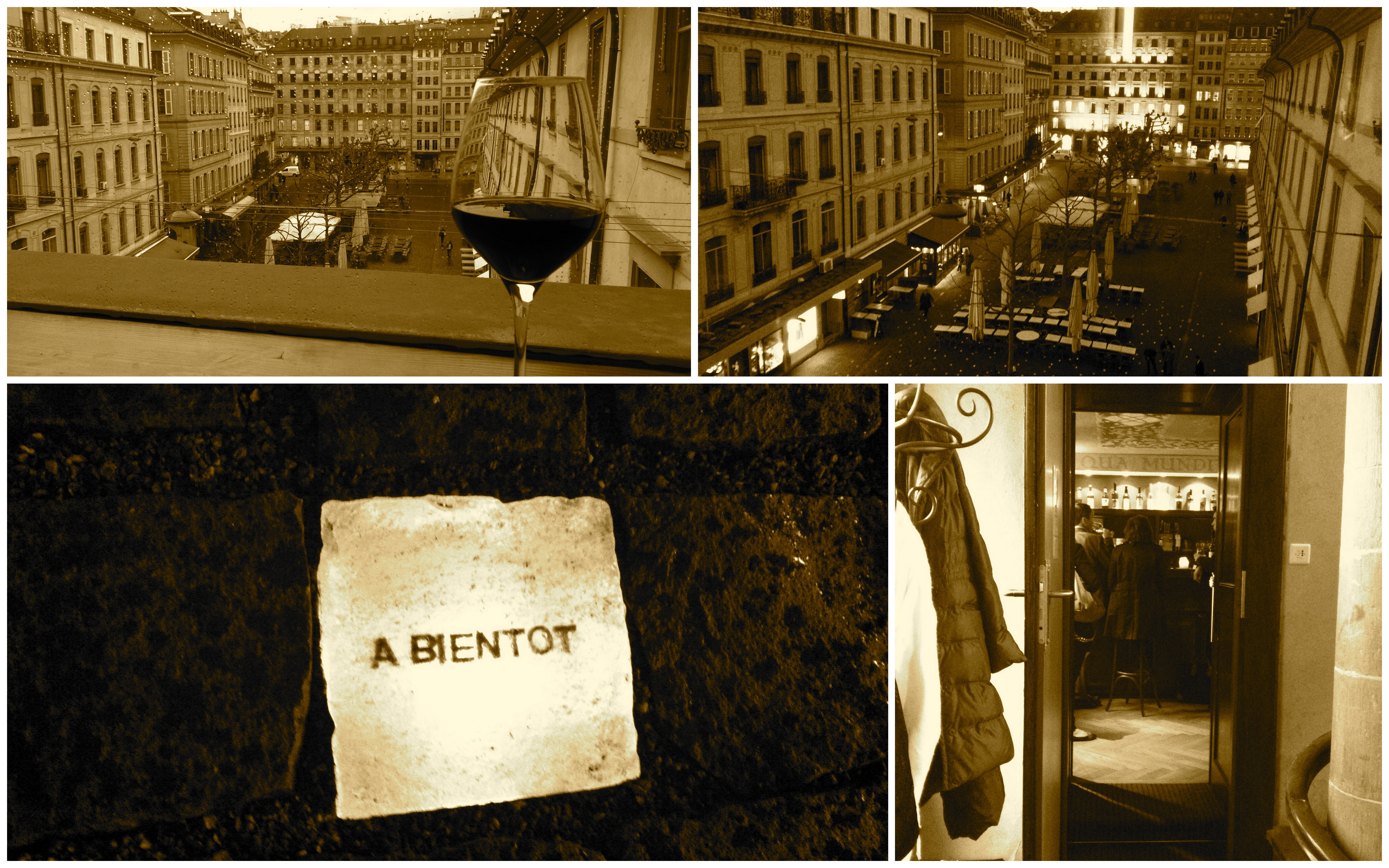
The Tower of Molard is a wine bar located in Place du Molard – literally located in the tower in the square.   I have been meaning to check it out, so E-dawg’s visit provided a perfect opportunity.

There are two main bar rooms, but there are small seating areas overlooking the plaza side and the lake side on each turn of the staircase.      Thus, you can either be sociable by gathering in a bar room, or more intimate by finding a quiet overlook above.

We arrived around 8pm and it was quite lovely to watch the sun set and the pavers light up in Molard square.    We enjoyed a regional Gamay and a Pinot Noir  (they only serve local wines) while catching up on old times.

E-dawg in Molard square at twilight. We took our time walking to the bus so we could read the different languages expressed on the lit-up pavers.   You can see the patrons of the wine bar silhouetted in the windows. 

We’d recommend this place for a cocktail – especially on a rainy evening like the one we had.  It provided a lovely backdrop of the city while we could remain warm & dry.

Discovering Geneva: The Museum of the Reformation

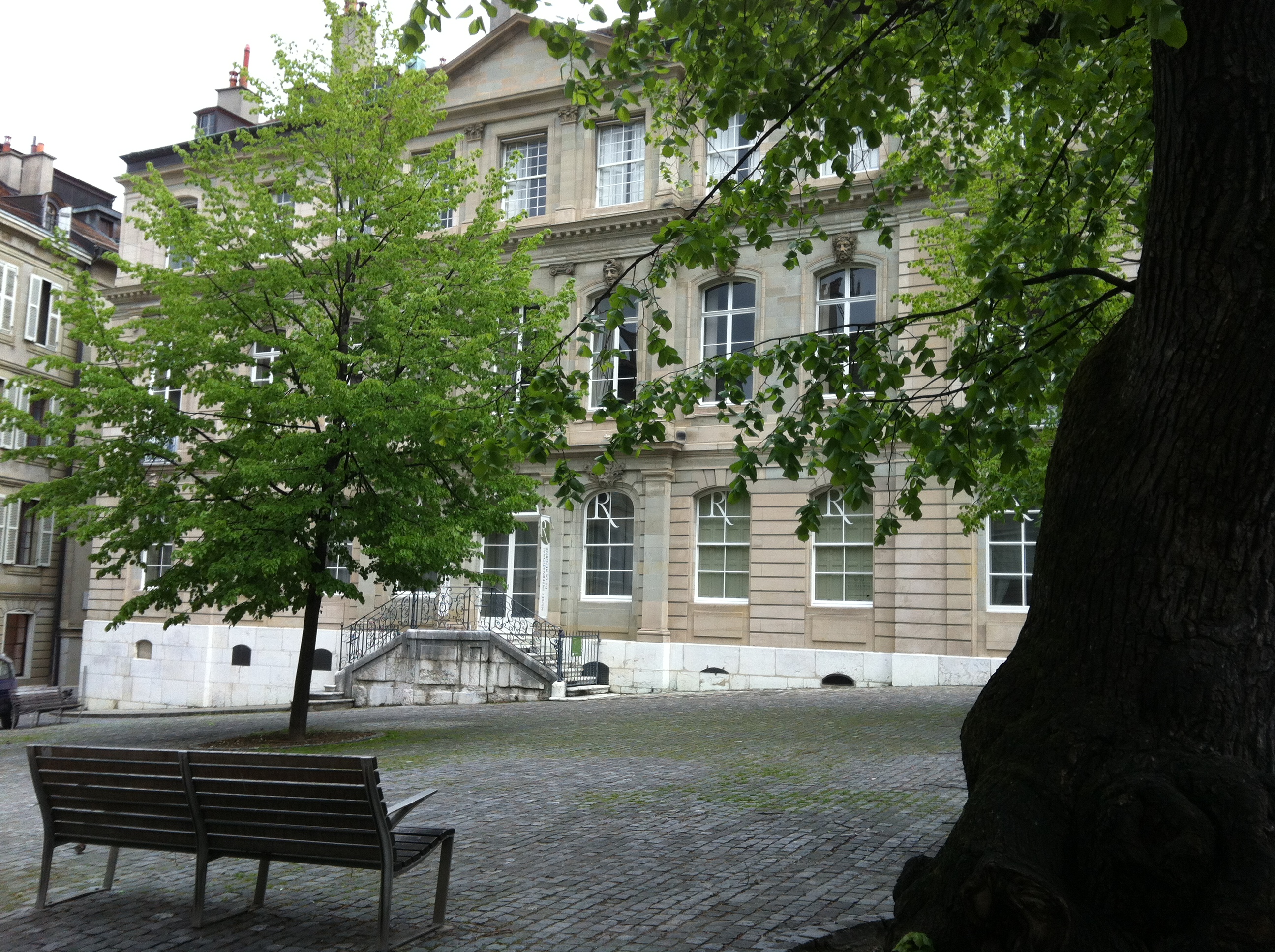
On Tuesday, after our tour of the site archeologique, we took a quick lunch break at Creperie St. Pierre and then moved onto the final stop: La Musée de la Réforme de Genève.   This museum retraces the history of the movement started by John Calvin in Geneva.   It includes artifacts and exhibits from the start until the current age.

The Museum of the Reformation

The museum was interesting; however, a little disjointed.  We were lucky to get English audio guides, but not all of the numbers could be found and they were out of order in most cases.    We spent a lot of time on the ground floor figuring this out while we learned about the origination and first century of the Reformation.

As we moved on, we learned just to hit the #s that we saw that looked interesting to us and continue on that way.

The basement floor contained history from the 19th and 20th centuries.  There were exhibitions on the role in civil society, the progression and dynamics of mission work, a computer screen depicting the statistics of the denominations of religion in the US, and audio of Billy Graham and the evangelistic movement.  That part was pretty neat to see how Calvin’s impact echoed through society today.

You are not allowed to take photos so we don’t have anything to show.

Bottom line – this museum is full of intriguing and interesting exhibits.  However, it might be best to make it your only stop in the day so you can comprehend the full depth of history and really take the time to visit both the ground and bottom floor.     We were a little tapped out from hitting the archeological site first, both in terms of standing and mind-power, so we wore ourselves out before getting to the basement.

Those who do visit this museum, make sure to check out the Reformation Wall in Parc des Bastions as well!


Discovering Geneva: Archeological Site of Saint-Pierre

This past Tuesday, E-dawg and I bought a combo pass to the Espace St. Pierre.  For 18 CHF, it included passes to the site archaeologic underneath the cathedral (8 CHF), the Museum of the Reformation (13 CHF), and a pass to climb to the top of the Cathedral for the view (4 CHF).

Since there was a peak of sunshine, E-dawg started out by touring the Cathedral and climbing up to the top to see the magnificent view of Geneva from above.   I had done this before and due to the condition of my feet, I passed on the climb and sat in a pew and relaxed.

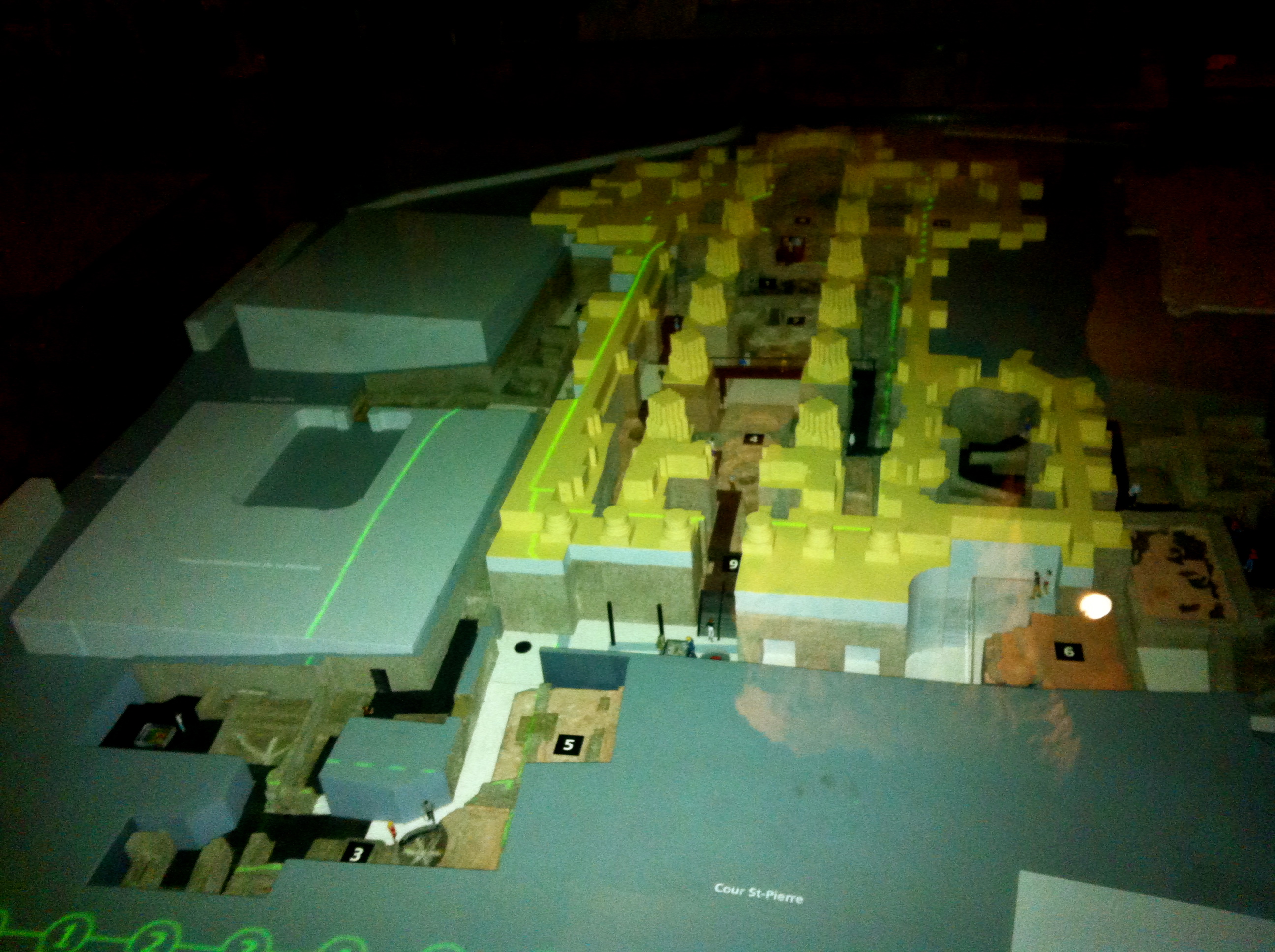
After she’d taken in the panoramic view above, we descended beneath the Cathedral.  From a previous post, I mentioned there were many different Roman temples and other Christian churches on this site prior to the current St. Pierre / St. Peters.  The archeological site allows you to see the evidence from the previous structures.

A model which lit up to show you the different eras, before your physical tour of the space.

Below is a cross section of photos from our visit.  Two of the most interesting things to me were the mosaic tiles in the reception hall of the bishops, and the tomb of the Allobrogian where someone had drilled a whole to pay homage to his skull.

This web page does a marvelous job of showing the timeline of events, in case you are interested in learning more about the history.

We really enjoyed the site and both rated it a 9 out of 10.

Discovering Geneva: Palais des Nations

On E-dawg’s second day we had pegged the Palais des Nations as a possible stop for the rainy Monday.  It was a good choice because, by default, it was literally the only museum open on Monday.   Also E-dawg had it on her Geneva “must visit” list.

She had read there was a lot of walking and warned me but I decided I was up for it – couldn’t be more than a km or so. We took the bus to Nations.   This was our first mistake.  Or my first mistake.  I just assumed that tourist rolled right through the colorful flags into the Palais des Nations to enter.

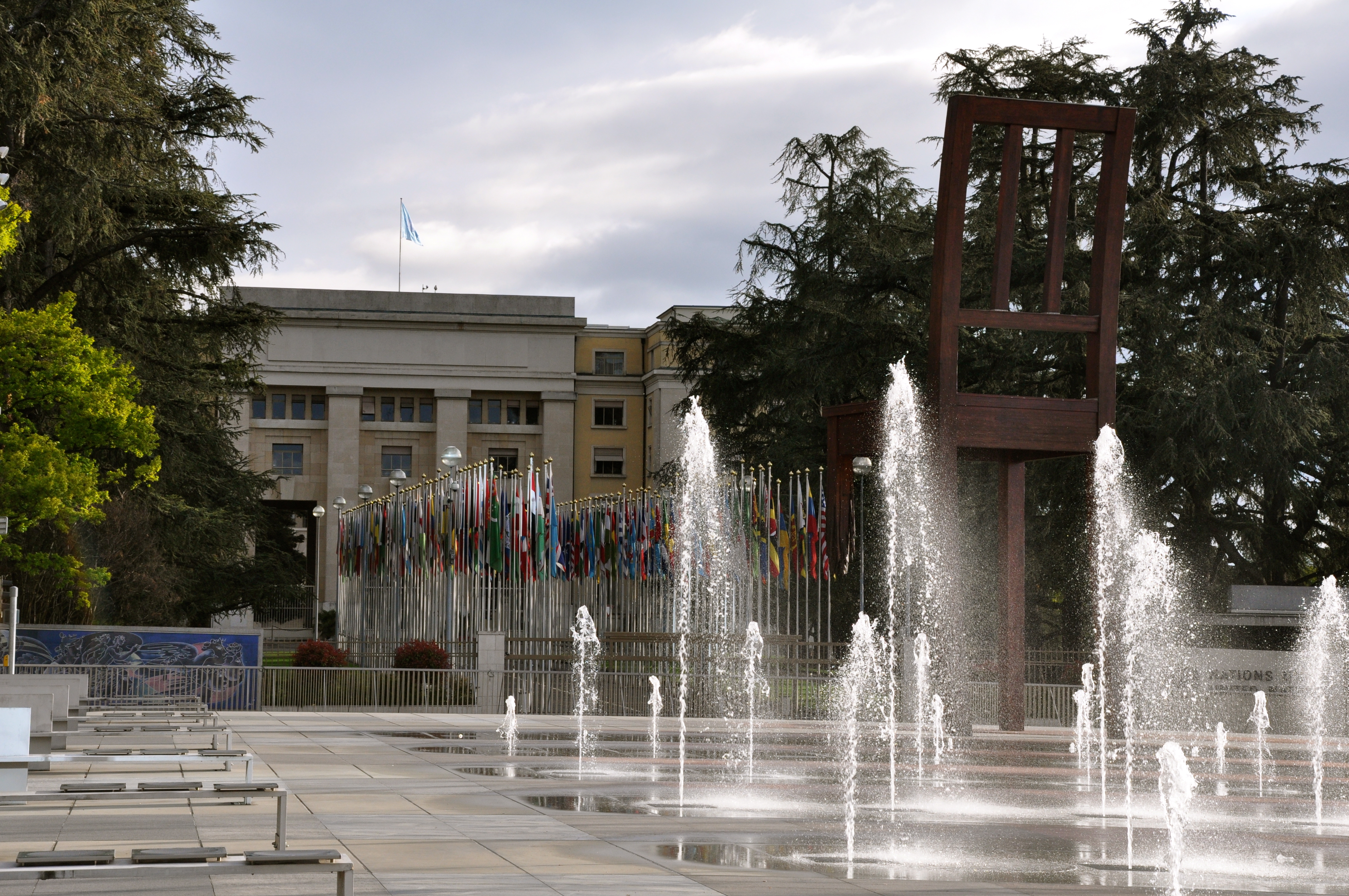
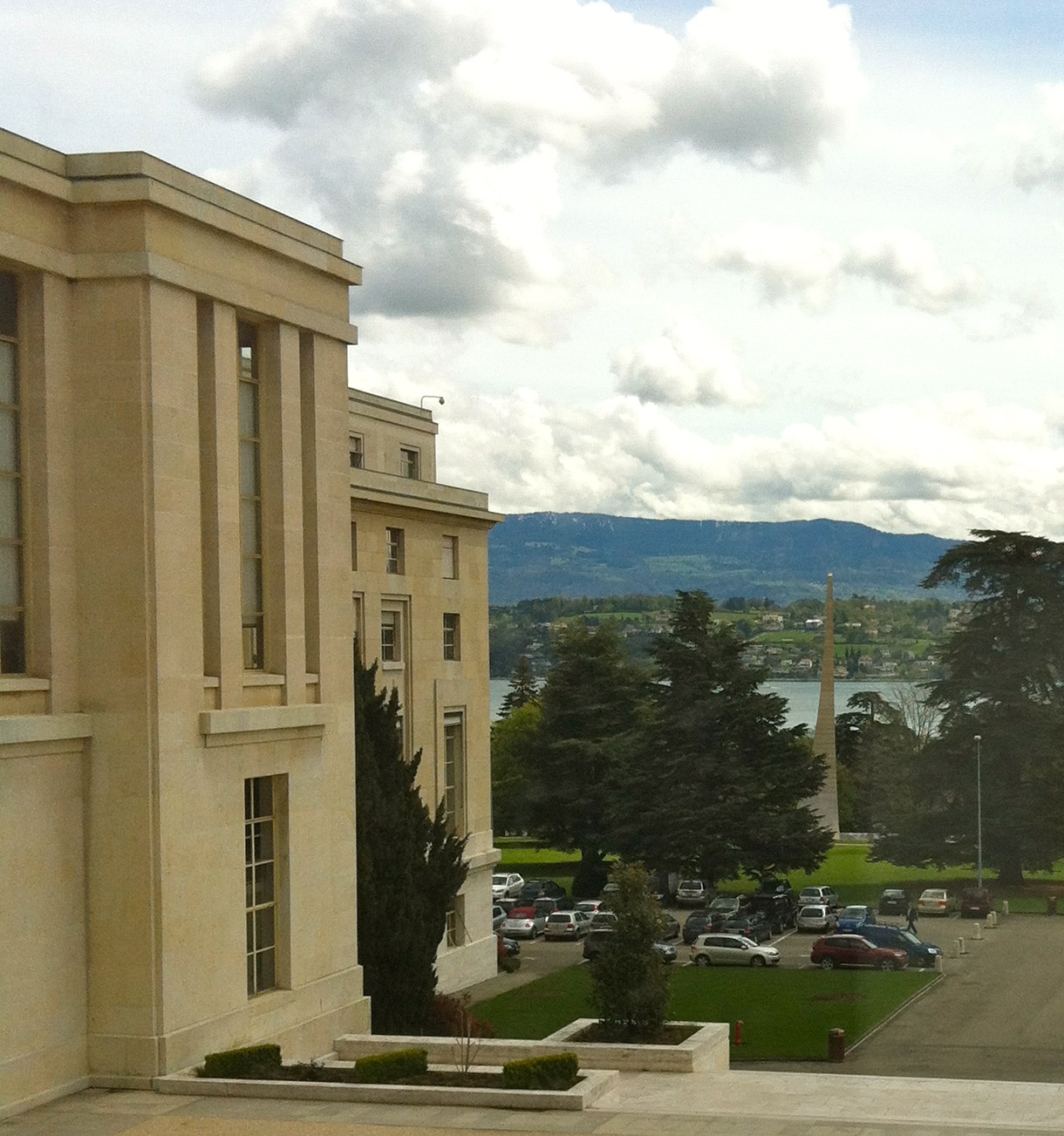
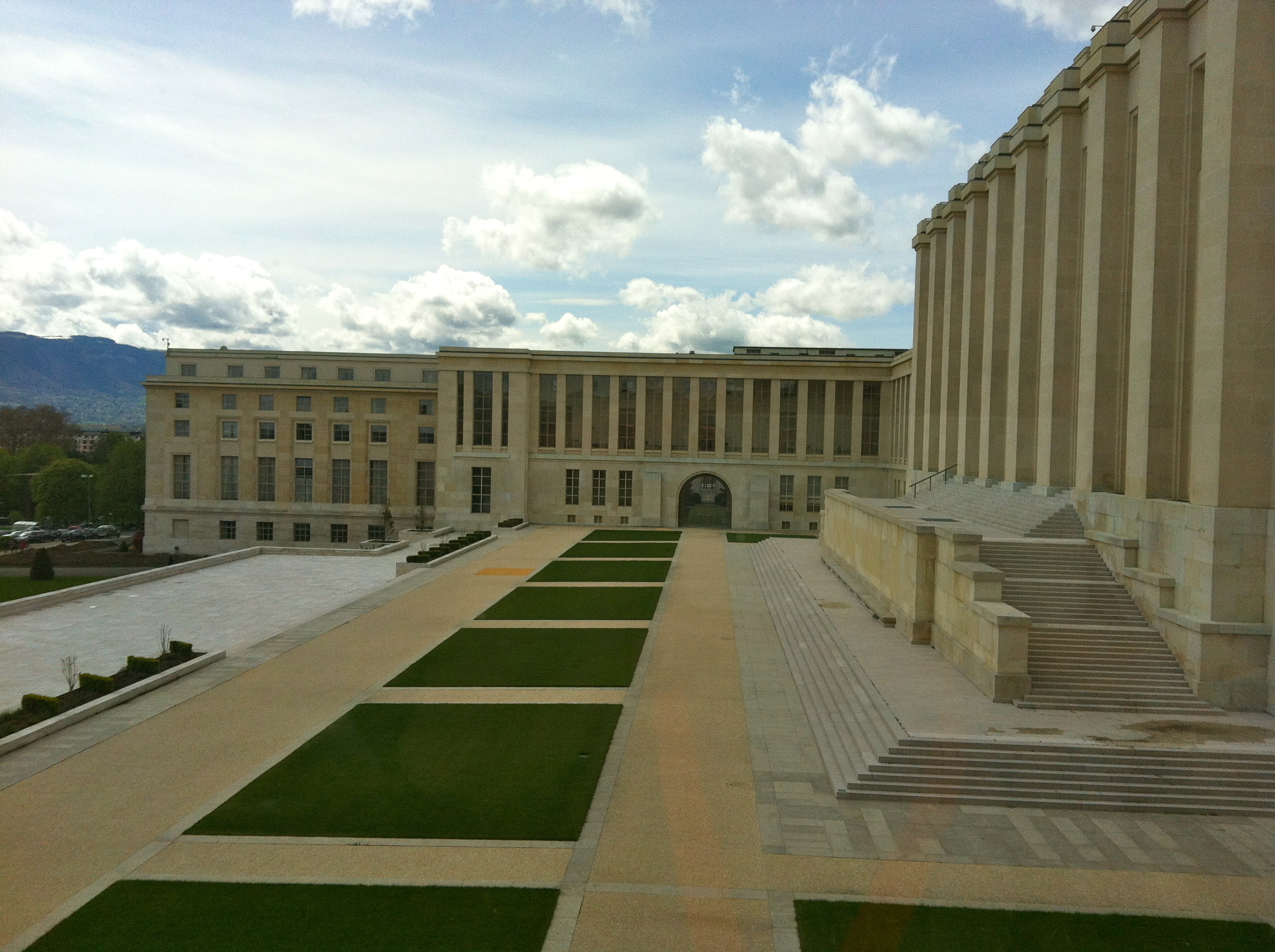
The grande entrance to the Palais des Nations. This is the oldest building and is bigger than the Palace of Versailles.

However, the actual tour entrance is was a 1 km walk away from the grande entrance.  This detail would not have been very important to the old me.  However, it is very important to the present-day me with healing feet.    Thus, I wanted to show those readers who might be a little walking challenged where the entrance is.  The #8 bus, Appia stop, gets you considerably closer.   It’s important to conserve energy as this tour does include a lot of walking.

They are very protective of the safety of UN workers.  Rightfully so, since 3000 have died in operations or just by being in UN offices in times of terror.   So, checking in for the tour required multiple steps.  First, you go through an airport-style metal detector.  Then, you approach a desk to register by showing your passport for scanning, getting a new picture taken, and  that photo being printed into a picture badge.

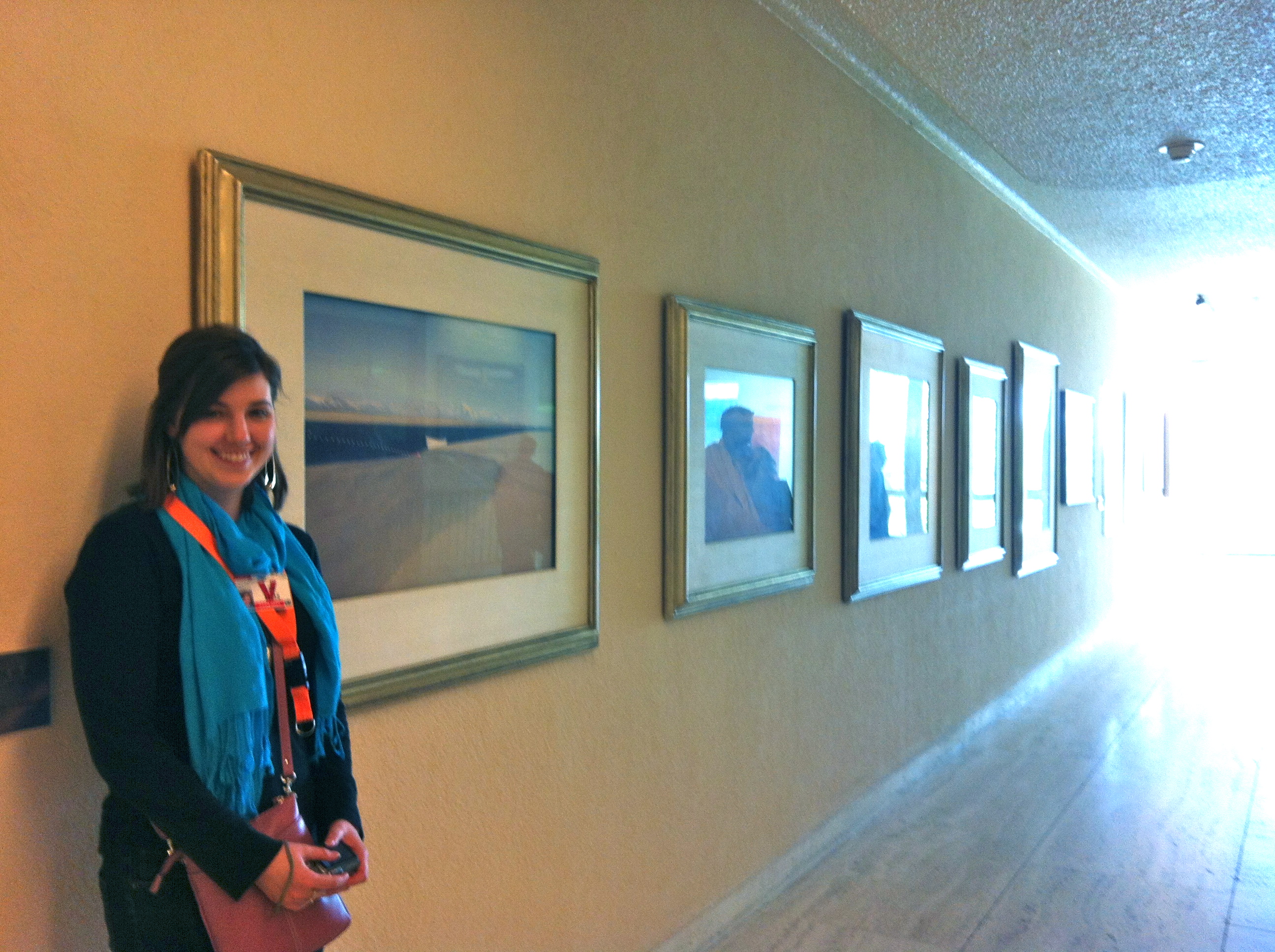
Next you go down an escalator, pay 12 CHF, and walk a distance to the entrance and gathering group of the tours.   You approach the desk, give your language preference and wait.  Then you get a bright orange lanyard indicating you are a tourist so that you can be easily spotted.

We were very lucky to have an amazing tour guide.    We started the tour by seeing some of the conference rooms.   There are over 9000 meetings a year so they need a lot of conference rooms.

We learned that in the traditional rooms, the member states sit in alphabetic order.  Then comes the observer non-member states  (like Palestine, Vatican City), then the NGOs that provide the link between civil society and UN.  Then approved media.

E-Dawg overlooking a traditional UN conference room

The UN has six official languages – English, Arabic, French, Mandarin, Spanish and Russian.    If you want to address the UN in a non official language, you have to bring your own translator.

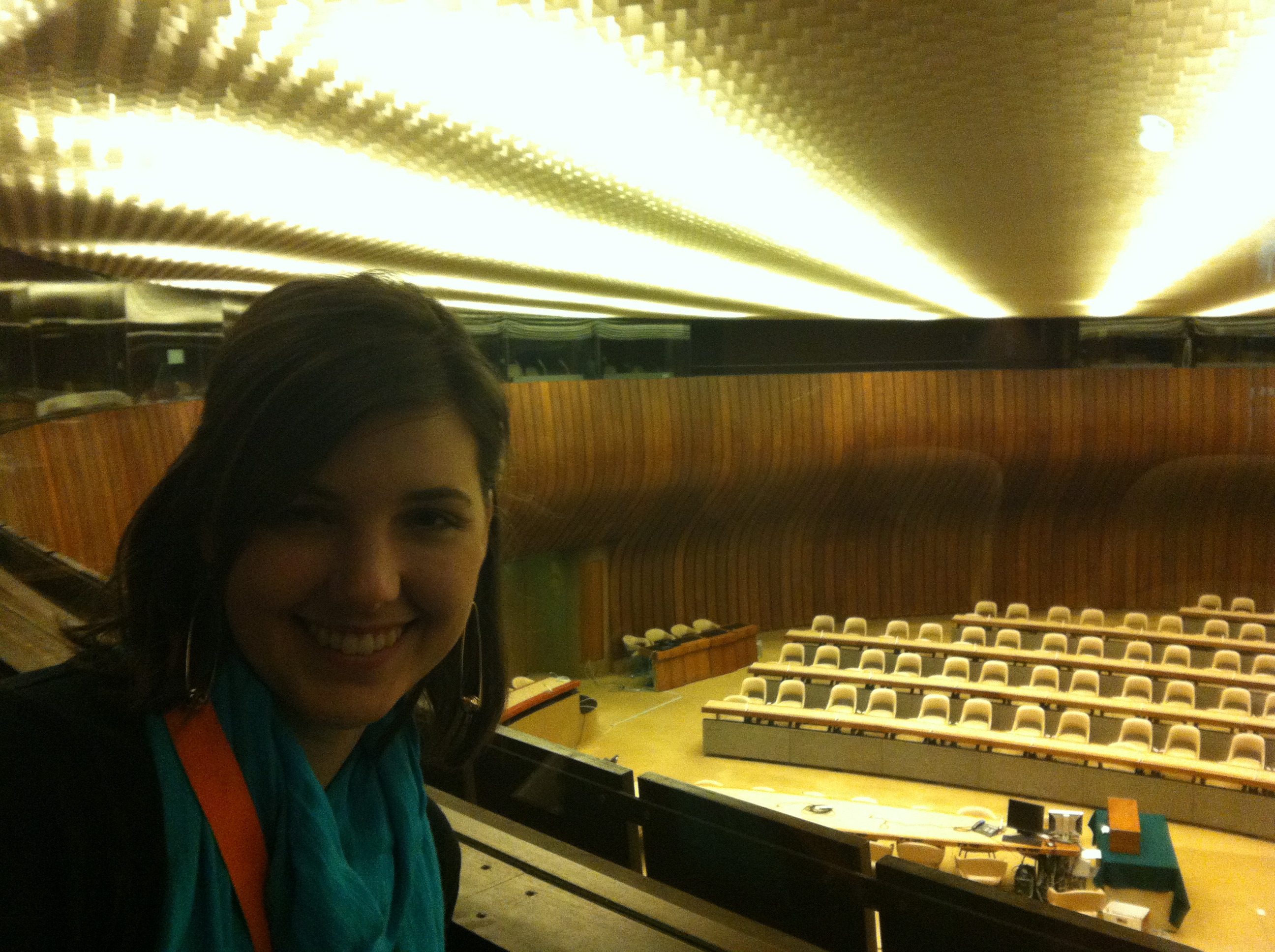
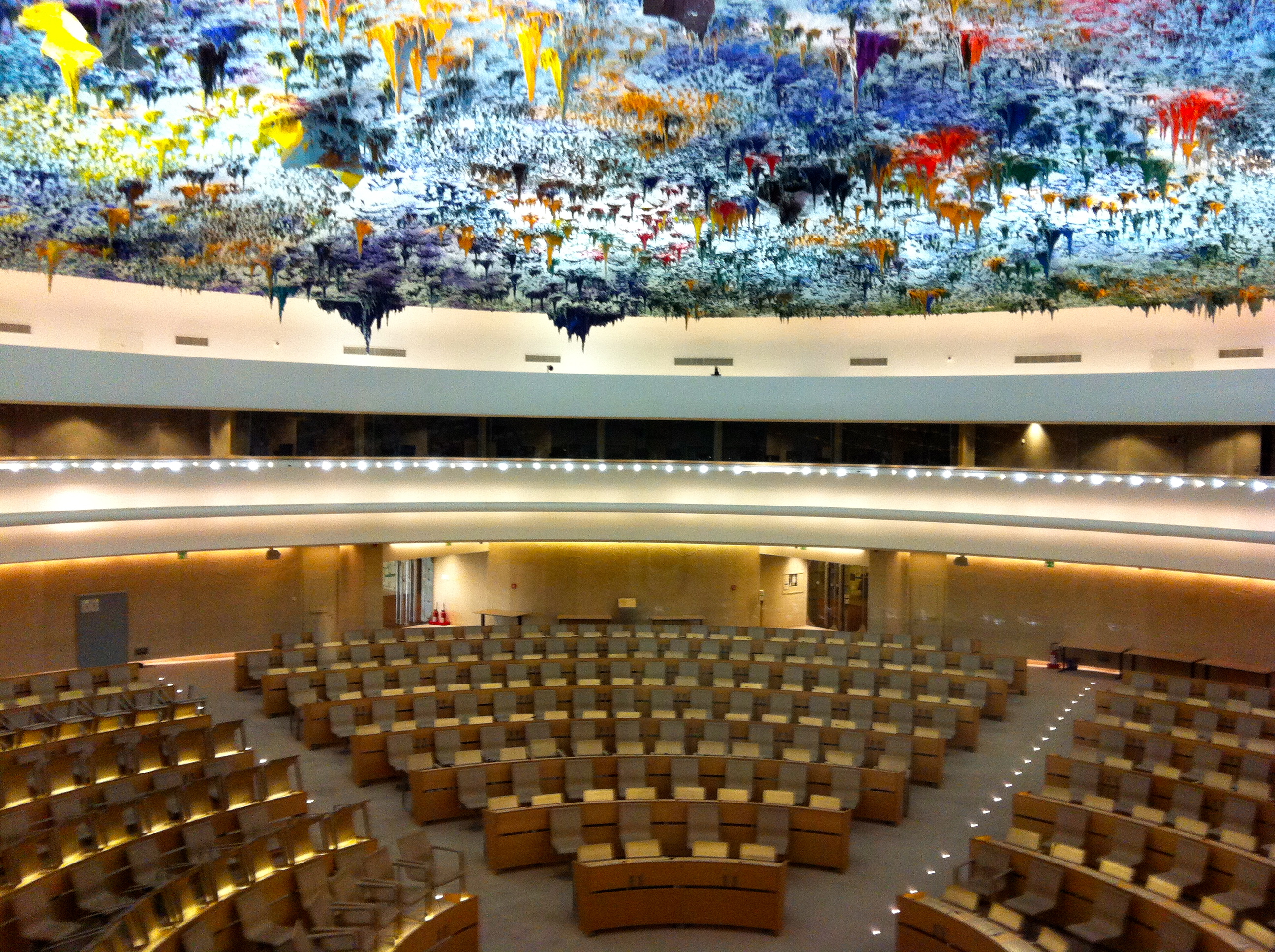
Human issues conference room. The ceiling was done by a Spanish artist and was donated by the country of Spain. His intention was for the textured color to peak like waves of ocean. The color represents the diversity of opinions in the world. The art was unveiled and conference room reopened in April 2009. The current issues in Syria are discussed here.

E-dawg and I in the grand assembly room in the Palais des Nations. The UN logo is different in this room, with the globe view from the top, showing no country is in the middle at the UN.
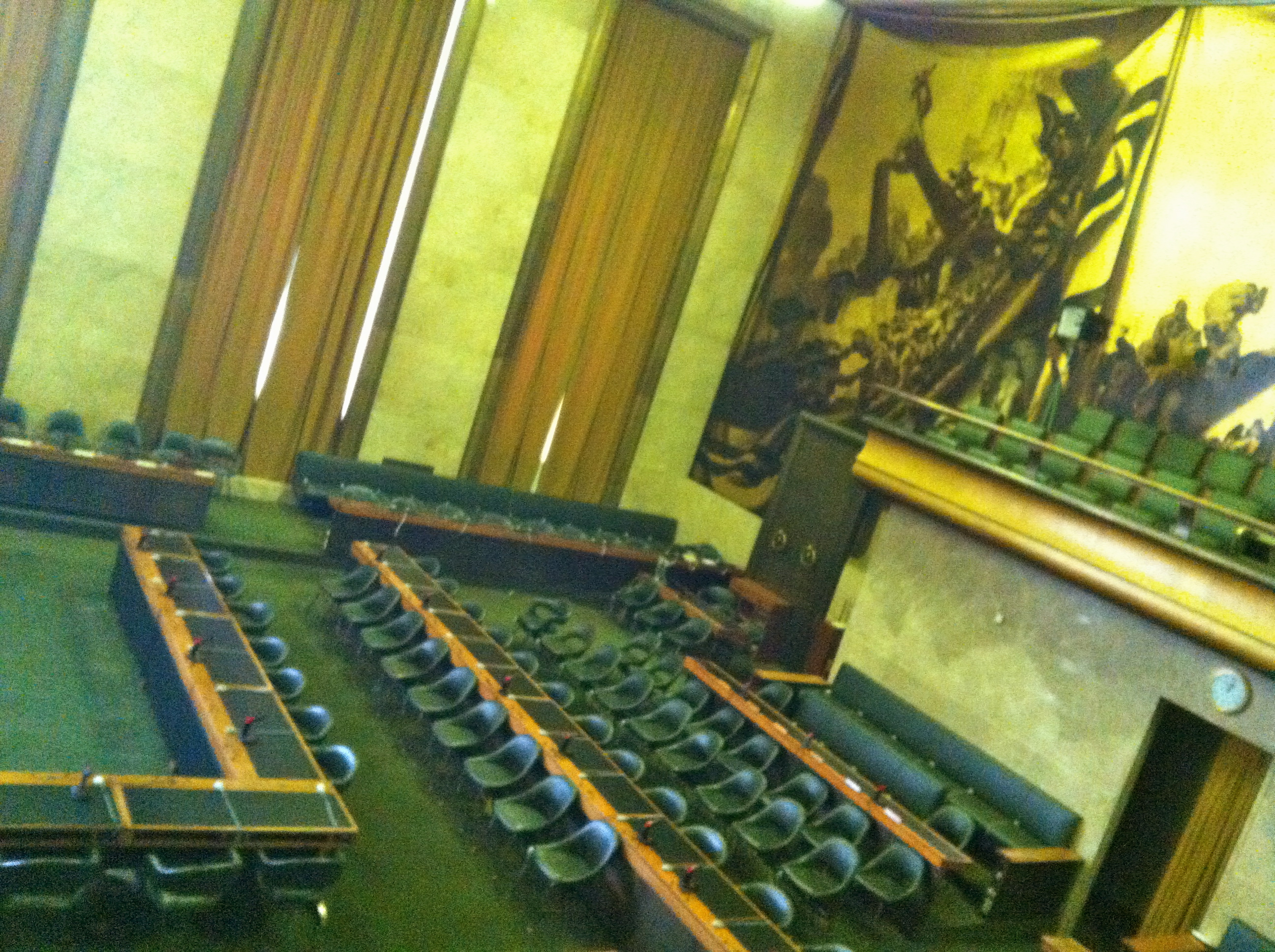
Original council room of the League of Nations. The League of Nations was formed after WWI. However, they failed at preventing WW2 so it disbanded. Mr. Pettyjohn would be proud I was seeing this place as we learned a lot about it in Freshman History. Now this room serves as the council of disarmement, preventing nuclear and chemical means of warfare.

Some fast facts about the UN:

-It was formed in 1945 after WW2 with the UN Charter

-It started with 52 members.  Now there are 193.  South Sudan was the last joiner.  Switzerland didn’t join until 2002!

-The UN is decorated with art from all over the world, to represent its diversity among member states.    In a grand entrance, there are colored marble in different designs.  Our guide pointed out that the marble comes from 3-4 different countries to show integration and how great works are possible with collaboration.  Pretty cool.

E-dawg stands by the hall of traditional artwork donated by member states

The Russians donated the Conquest of Space and Time statue - made out of titanium like space shuttles. Sorry, its the tiny thing in the distance - I took all these photos with my iPhone.
Trees are donated from all over the world to adorn the park, creating diversity in landscape

What is the difference in Geneva and NYC?

NYC handles more of the political and economical issues while Geneva focuses on human rights, science, technology, health, and world disasters.
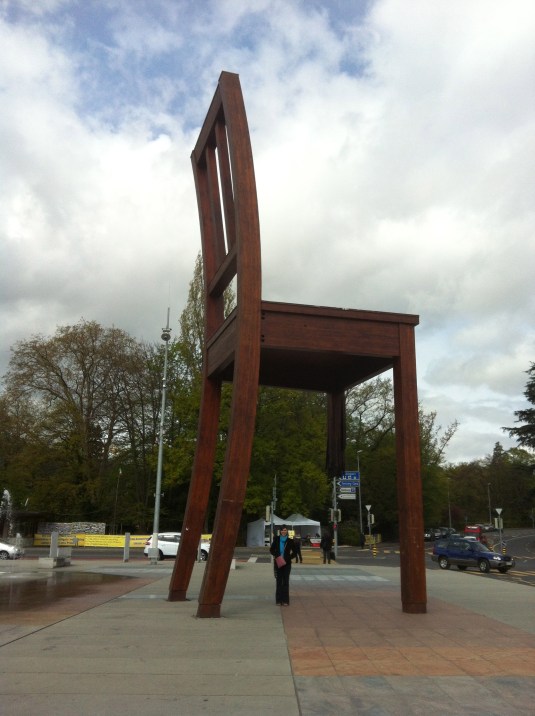
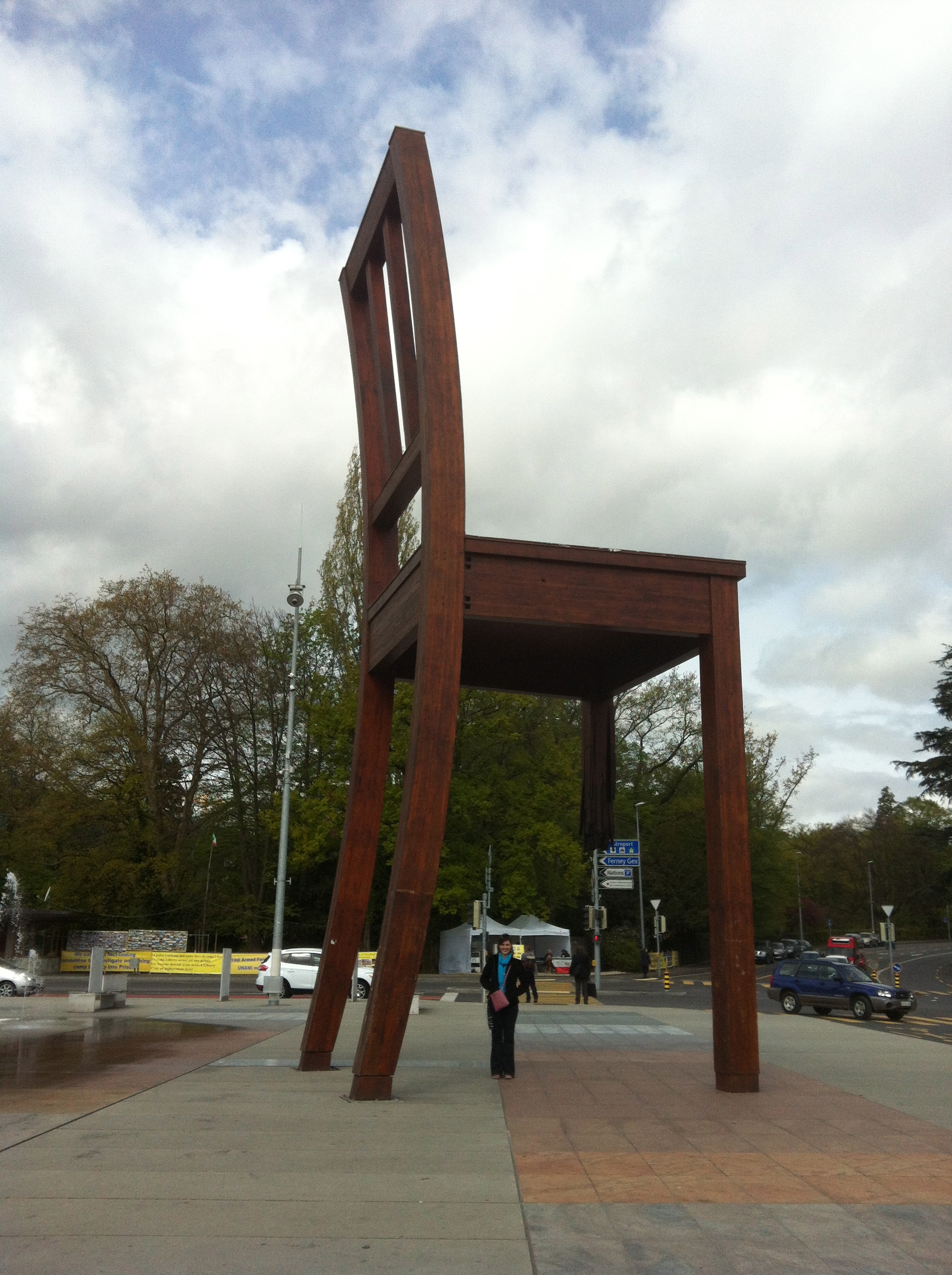
The chair with the missing leg was donated by Handicapped, Intl to represent the lives and limbs lost by unnecessary land mines

The WHO (world health organization) is one of the bigger departments here in Geneva.  Also, UNHCR – the high commission for refugees, which helps 20 million people a year!

Why did they pick Geneva?  

NGO, The Red Cross was already there (1863) and it had been proven to be a good place for a headquarters.  Plus,  Switzerland was a neutral country making it additionally easier to facilitate an organization such as the UN.   Third, Geneva was known as a very diverse city which helped exemplify what the UN’s goals are.  Finally, geography – Geneva is in the center of Europe and is accessible by train and airport.
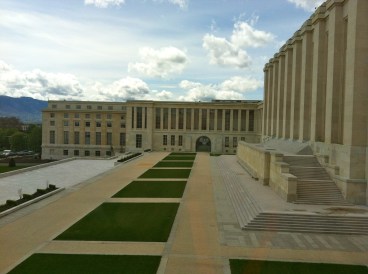
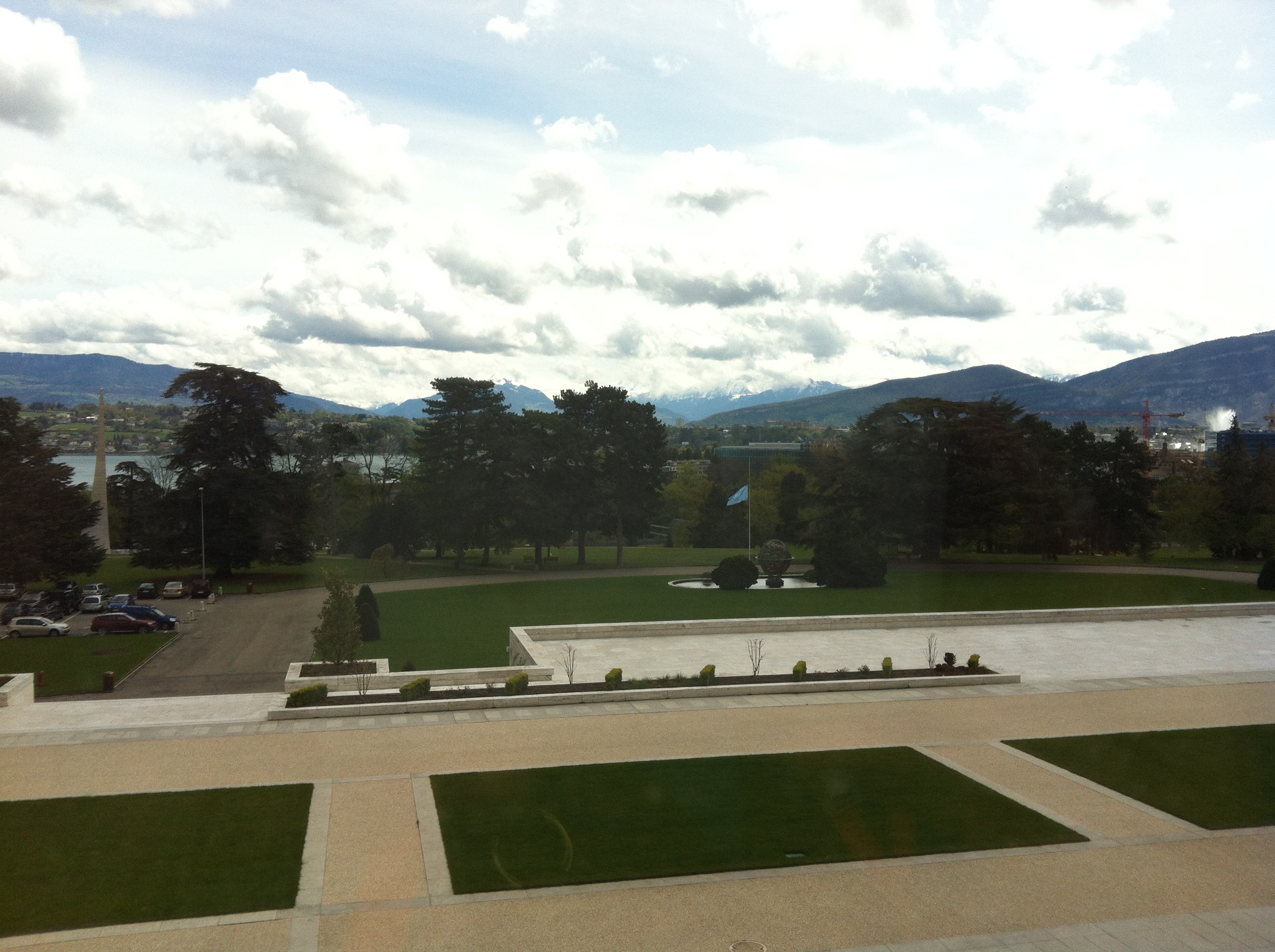
The views aren't bad here either.

Currently, there are 8500 employees in Geneva, but 25,000 delegates participating here each year.    Building on that, 163 of the 193 member states have permanent missions in Geneva.   I know a few women at the women’s club whose husbands work for the missions so this fact a was interesting.

All in all, it was a good tour.   I give it a 7 out of 10 and E-dawg rates it a 6.5 or 7 out of 10.

Gratitude Friday: Spring has Sprung!

A little delayed in my posting….but Spring has sprung in Geneva.  I admit I am late in this post.  But mainly since I have had mobility, all it has done here is rain, rain, rain so I wasn’t in the spring spirit yet.

However, we had our first day of non-rain yesterday and I am hoping that more sunshine and spring weather is on the horizon  (fingers crossed).  Although they do say that “April showers bring May flowers”, so I suppose there should be gratitude in the rain as well.

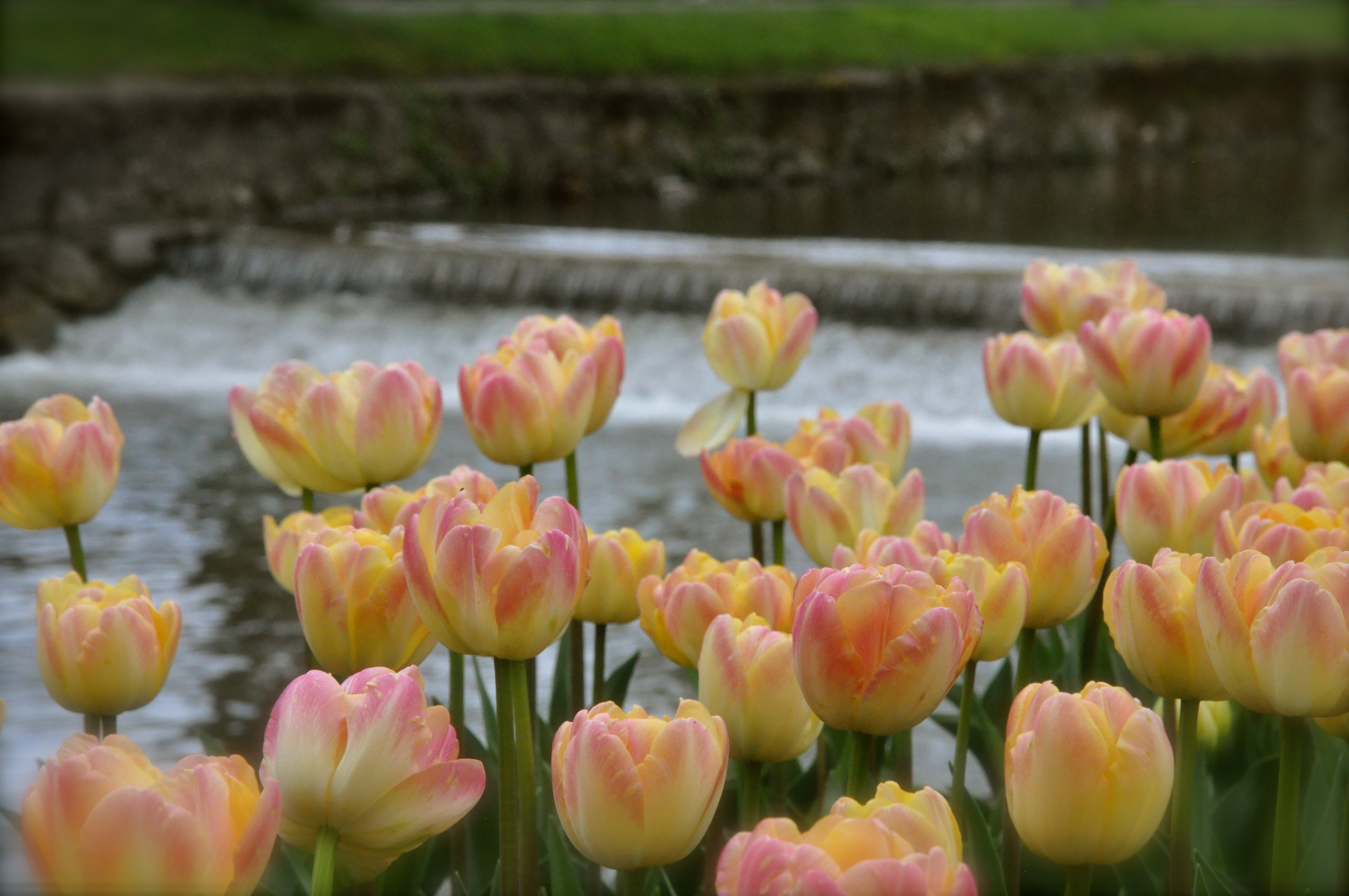
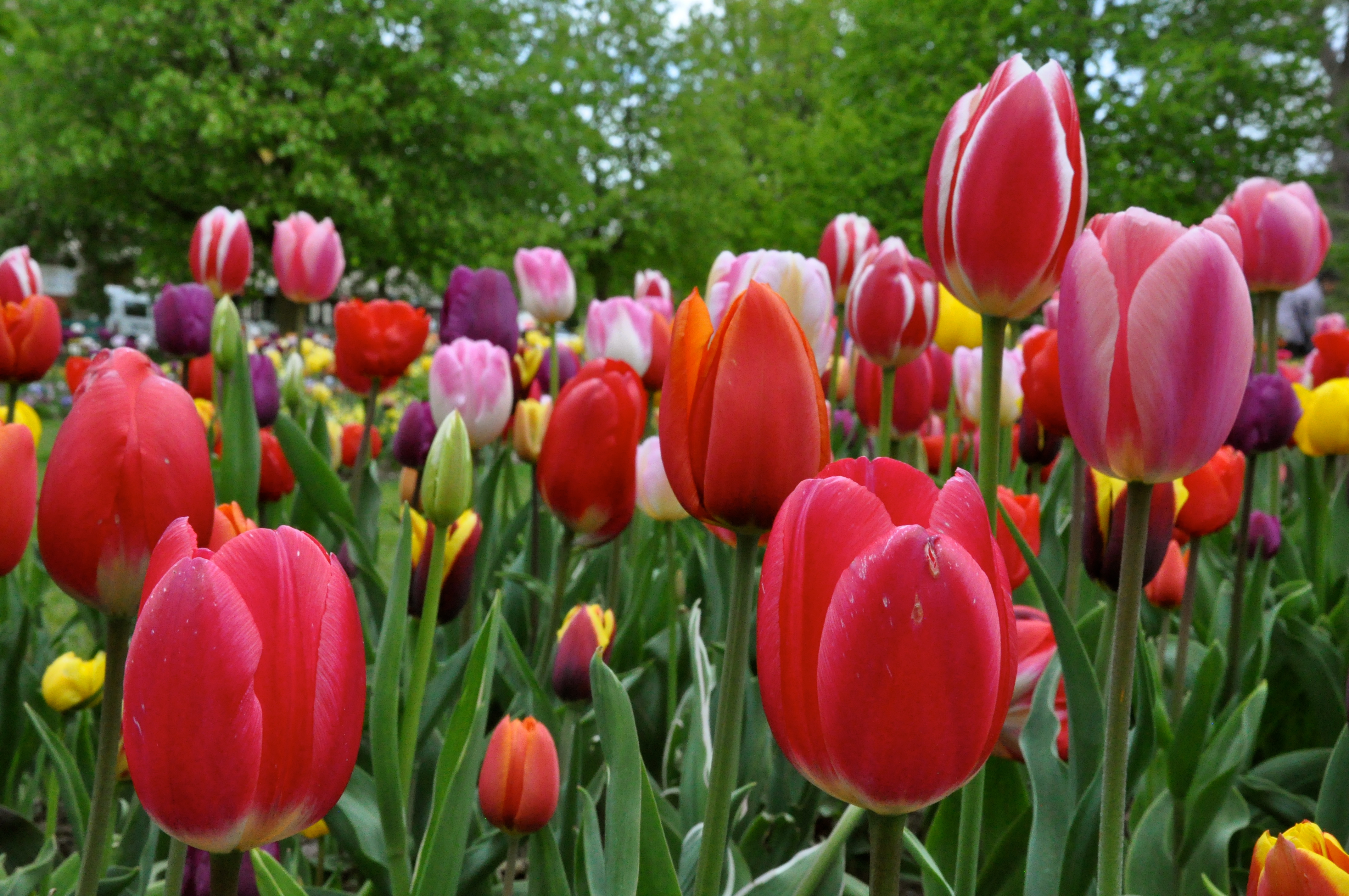
Speaking of flowers, E-dawg and I got to take advantage of Spring’s beauty yesterday on the AIWC photo group outing to Morges, Switzerland.  There we enjoyed lunch alfresco and explored the annual Fêtes de la Tulipe.

So, this Friday, I am grateful for the flowers and beauty of spring.  Finally!!!  But, better late than never!

Bon weekend, everyone!

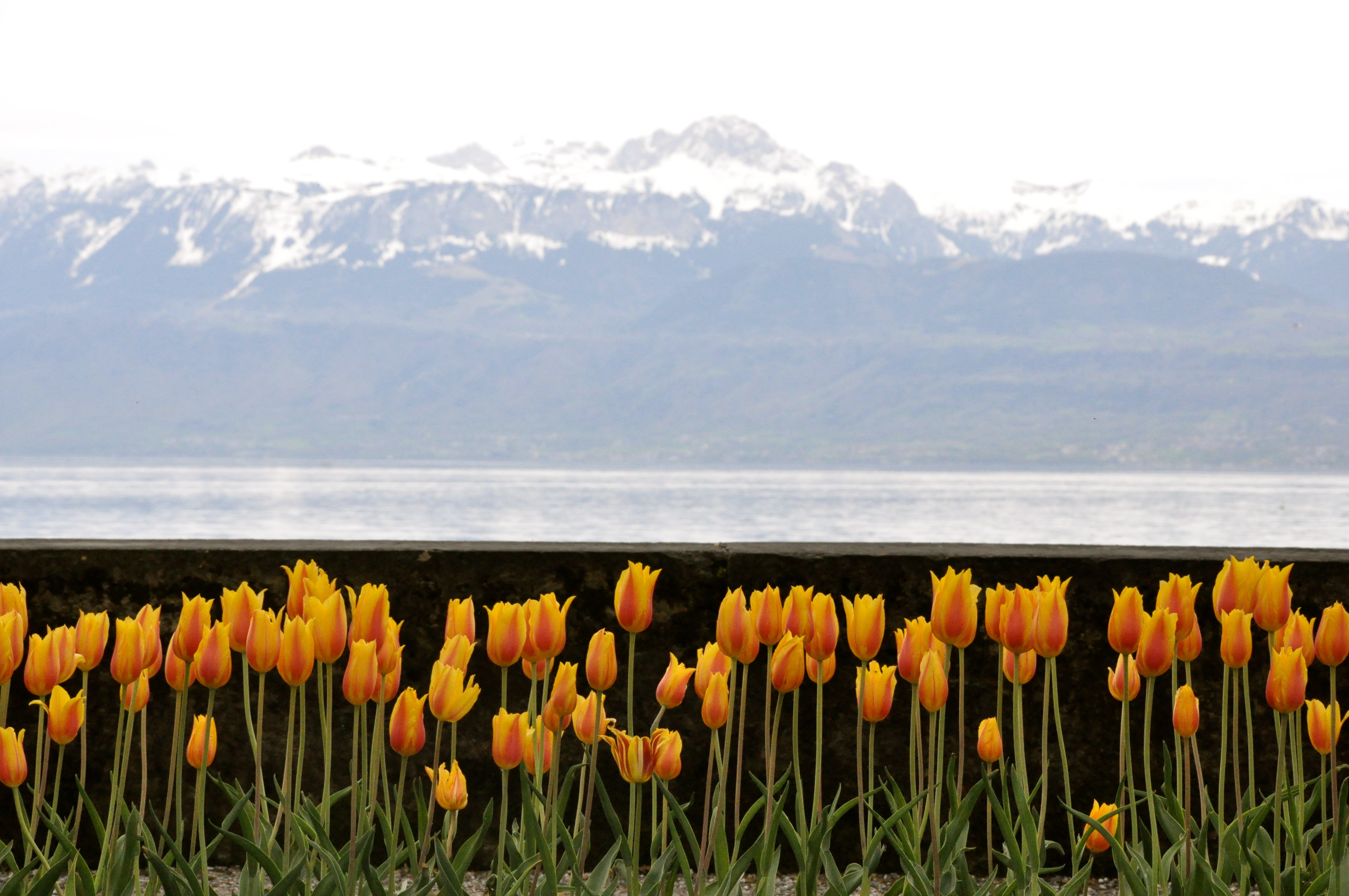
Tulips against an Alpine background

Wispy tulips in contrast to the Alps

Having fun at the Fêtes de la Tulipe

E-dawg amongst her Georgia Bulldog colors

Lazy waterfall

Caught her in action!

My favorite section – multicolored